


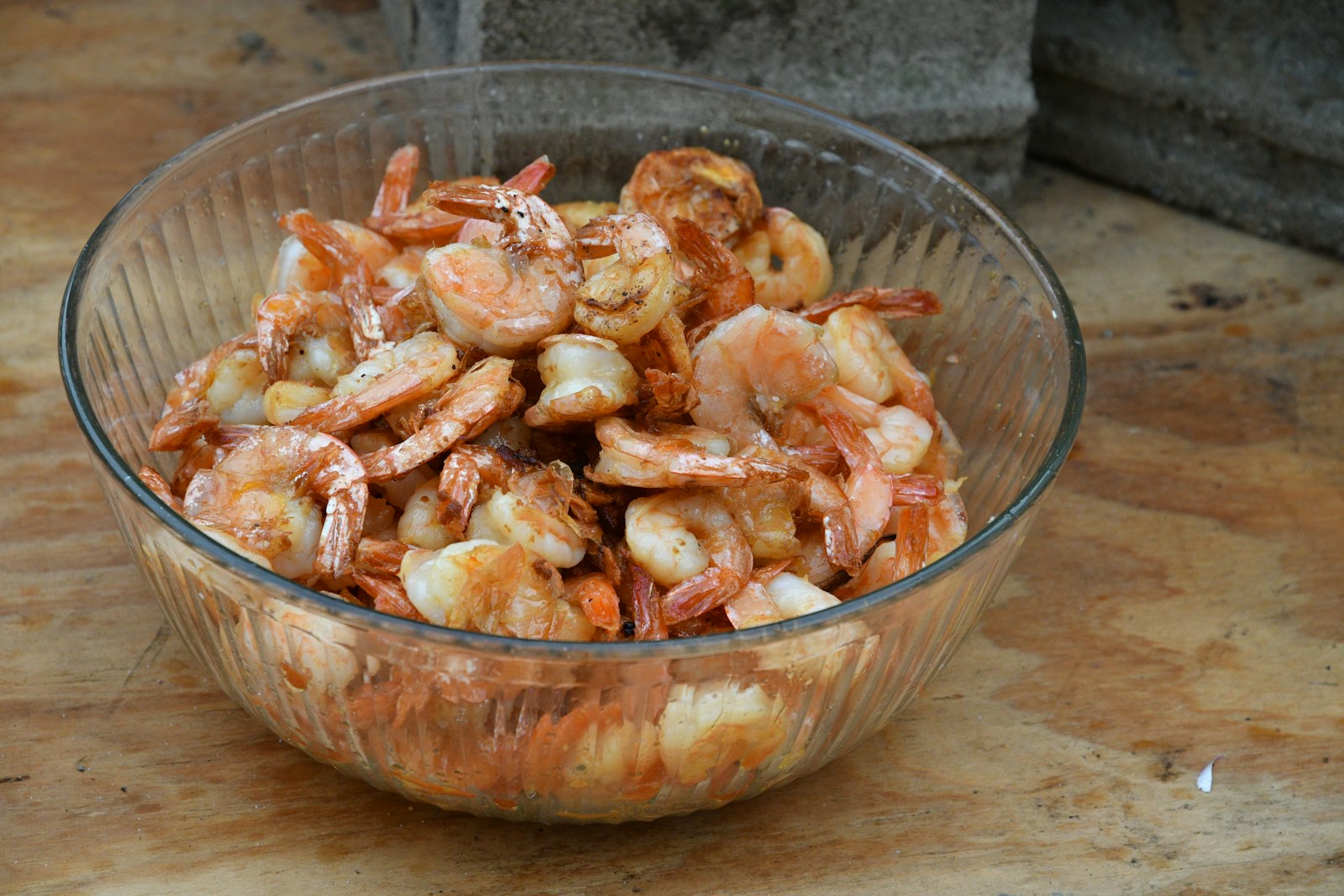
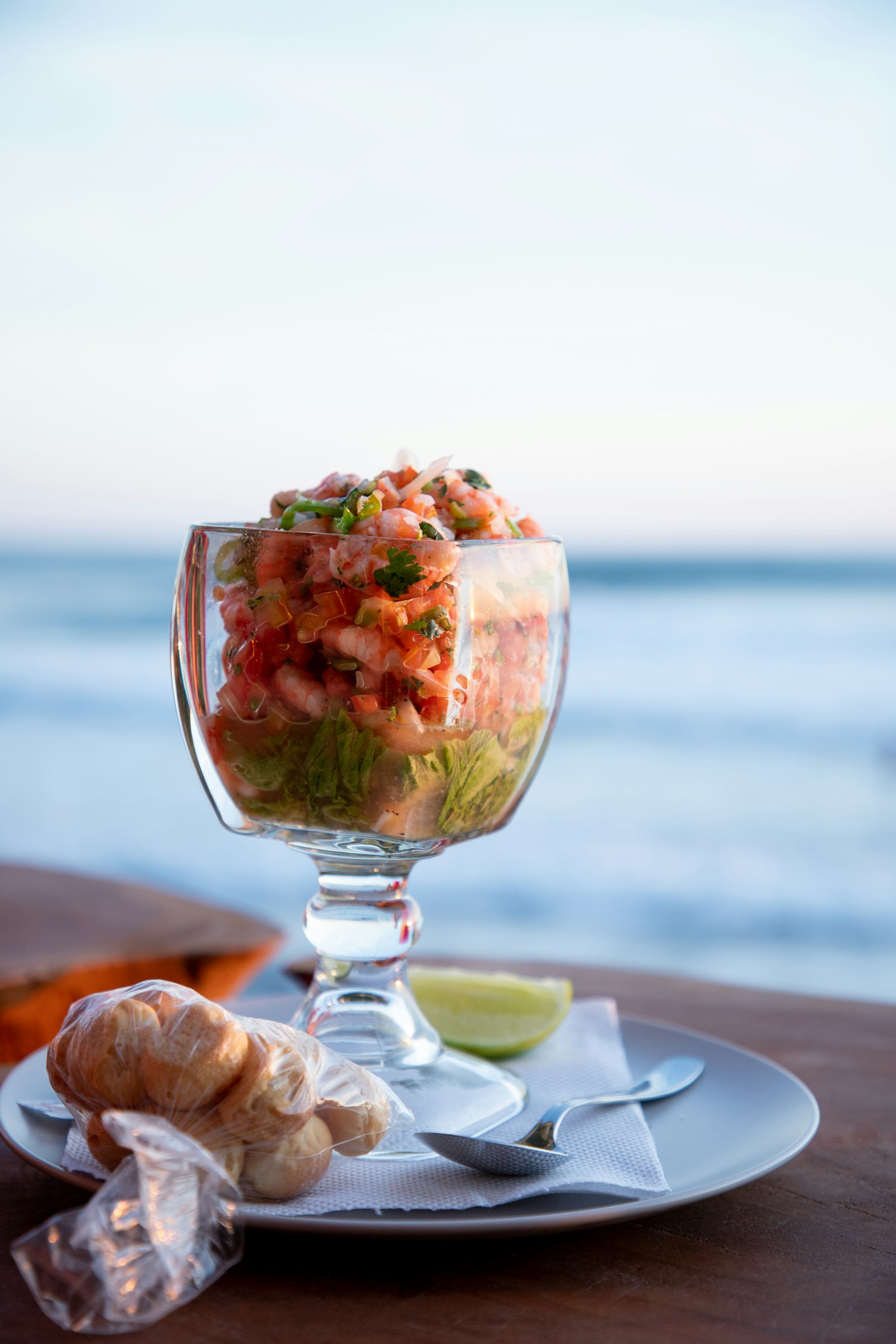
Cartagena’s shrimp cocktail (cóctel de camarón) is cooked, chilled shrimp tossed in salsa rosada, a pink sauce of ketchup and mayonnaise, with lime, red onion and cilantro, served in a cup with soda crackers. Locals often just call it ceviche. In Bocagrande, vendors make it on the beach, and spots like Kazabe and Kiosco El Bony serve it too.
Last updated: October 17, 2026. Hours, ratings and prices were checked that day in the sources linked at the end. They change often, so confirm before you go.
Quick facts
- What it is: cooked shrimp in pink sauce with lime, onion and cilantro, eaten cold with a spoon and soda crackers.
- Where in Bocagrande: beach vendors (Carrera 1), Kiosco El Bony on the sand, Kazabe (Calle 6), Tac (Cra. 3 #6-102) and Cevichería El Gramo (Cra. 4 #5-166).
- Getting there: a 5-10 minute taxi from the Old Town (2026 minimum fare: COP 12,250, about USD 3.90) or the Transcaribe bus (COP 3,900).
- Best time: 11 a.m. to 3 p.m., when the beach is busy and stock turns over fast.
- Budget: a traditional ceviche or cocktail runs COP 18,000-35,000 (USD 6-11) in local areas and COP 45,000-85,000 (USD 14-27) in tourist areas, according to Exoticca (August 2026).
- Time needed: 20 minutes on the sand, or an hour if you sit down at a restaurant.
Approximate rate: USD 1 ≈ COP 3,170 (official TRM rate, October 16, 2026).
What is a Cartagena shrimp cocktail?
It’s Cartagena’s go-to beach snack. Unlike Peruvian ceviche, nothing is “cooked” in lime juice: the shrimp is boiled, chilled and folded into a creamy tomato-and-mayo sauce, the famous salsa rosada. It tastes cool, sweet and tangy at once, which is exactly what you want in the Caribbean humidity.
One vocabulary tip saves confusion: if you ask a Bocagrande beach vendor for “un ceviche”, you’ll almost certainly get this cocktail in a plastic cup. If you want Peruvian-style ceviche, with raw fish cured in lime, order it by that name at a restaurant; Tac, for instance, lists rocoto and limeño ceviches.
Where does Cartagena’s shrimp cocktail come from?
It grew out of the city’s ostreros, the oyster sellers who have worked its streets and beaches for decades. One of the best-known names is Lácides Venera Morillo, who opened the Ostrería El Mar Rojo, known as El Sombrerón, in the Old Town on February 9, 1977. He told El Universal that he started as a boy helping a relative sell oysters and, at around 14, began mixing shrimp, conch and other seafood into cocktails. He says he was the first to make them in Cartagena. That’s his account and there’s no record to confirm it, but it shows how the trade moved from oysters to the shrimp cup.
In 2015, Cartagena cocktail makers, including street vendors from Bocagrande and El Laguito, assembled a 1,320 kg shrimp cocktail in a 3-meter acrylic glass that set a Guinness World Record, according to Procolombia and El Universal. The record has since been beaten: Denver reached 1,485 kg in 2022, and Mazatlán, Mexico, hit 1,701.5 kg in February 2023. In 2023, Cartagena’s city council proposed a Shrimp Cocktail and Sea Festival to honor the people who make a living from the dish; we found no confirmation that it has taken place yet.
What’s in it and how is it served?
- Cooked, chilled shrimp: the base. Many vendors also do mixed versions with octopus, conch, squid or oysters.
- Salsa rosada: ketchup and mayonnaise; every vendor swears by a secret touch.
- Lime, diced red onion and cilantro: for acidity and freshness.
- Extras: hot sauce to taste and, at some stalls, a splash of citrus soda for sweetness.
- On the side: soda crackers and a spoon; you eat it straight from the cup, on the sand or standing by the water.
Where can I eat shrimp cocktail in Bocagrande?
| Place | Style | Price | Address | Why go |
|---|---|---|---|---|
| Beach vendors | Made-to-order cocktail in a cup | $-$$ | Bocagrande Beach (Carrera 1) | The most authentic way, toes in the sand |
| Kiosco El Bony | Beachfront seafood kiosk | $$ | Carrera 1, on the beach | Shrimp ceviche and fried fish; cash only |
| Kazabe | Cartagena home cooking | $$$$ | Calle 6, between Carreras 1 and 2 | Ceviche trio; 4.9 on Tripadvisor |
| Tac Restaurante | Seafood and Peruvian ceviche | $ | Cra. 3 #6-102 | Opens at 6:30 a.m.; great value |
| Cevichería El Gramo | Neighborhood ceviche bar | $$ | Cra. 4 #5-166 | Open until 9 p.m.; portions by weight |
The cocktail vendors on Bocagrande Beach
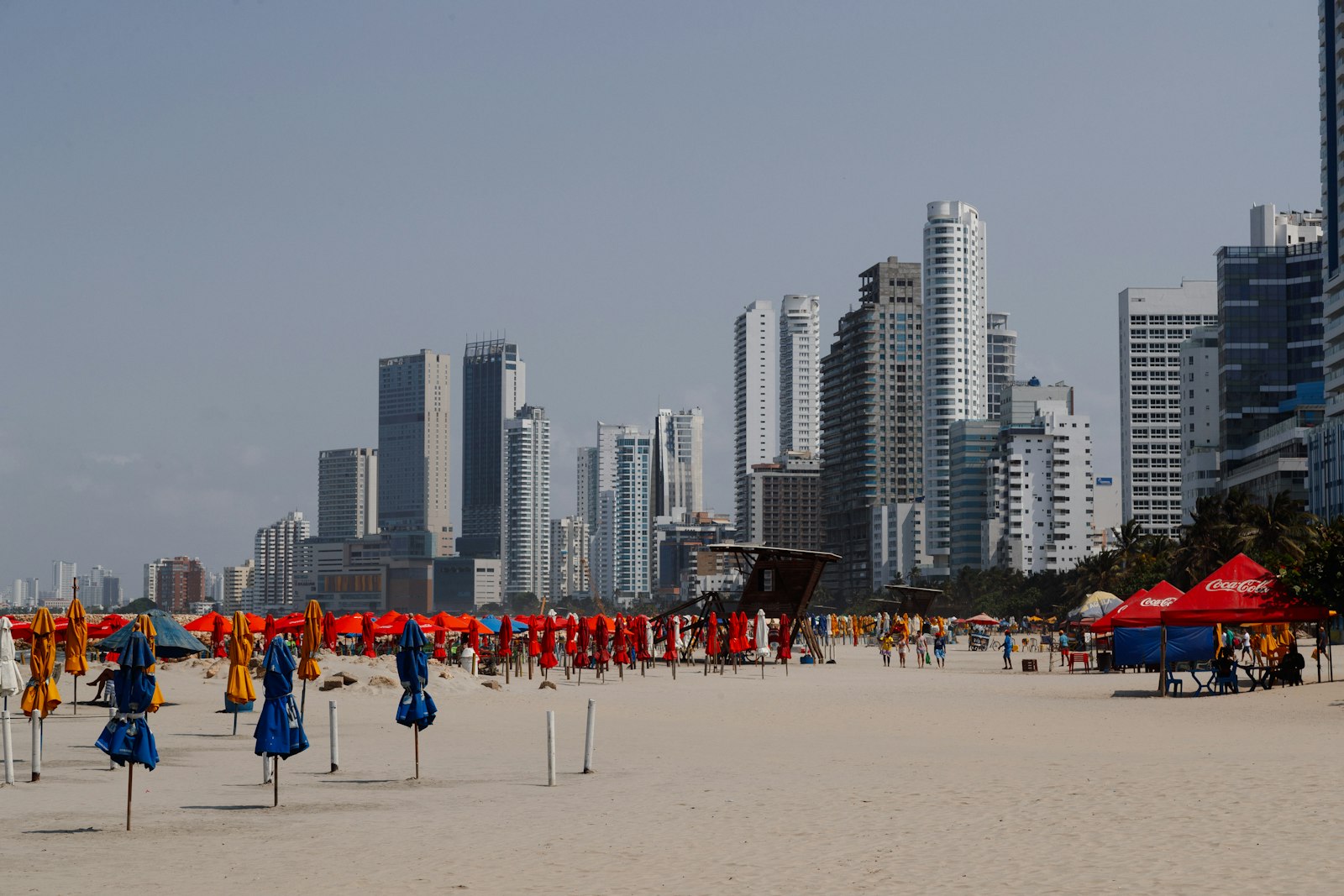
They walk the sand with a cooler and mix your cocktail in front of you. It’s the classic way to try it and the one travelers remember. Thanks to the coastal protection works, Bocagrande’s Beach 2 reopened in September 2026 at 360 meters long, with about 30 extra meters of sand; Colombia’s national disaster-risk agency (UNGRD) counts more than 340 beach workers, from tent renters to kiosk owners and vendors, among those who benefit. Before ordering, ask the price of the small and large cup and have the vendor confirm it.
Kiosco El Bony: a beachfront classic
This kiosk on Carrera 1, right on the sand, belongs to former Olympic boxer Bonifacio Ávila and has served fish and seafood for more than four decades. Besides shrimp ceviche, people come for fried fish with coconut rice and coconut lemonade, often to live vallenato music. It’s open daily from 8 a.m. to 8 p.m. and takes cash only, per Wanderlog. It rates 4.3 on Google (3,200+ reviews) and 4.0 on Tripadvisor; some recent reviews say food and service have slipped, so check the latest before you go. Phone: +57 301 767 7294. See photos of the place.
Kazabe: the sit-down version
If you’d rather have a table and some shade, Kazabe is the neighborhood’s benchmark for Cartagena cooking: reviews keep praising its ceviche trio, along with posta negra and fried fish. It holds 4.9 on Tripadvisor from more than 850 reviews. Open Monday to Saturday, 12 p.m. to 9 p.m.; closed Sundays. It’s on Calle 6, one block from the beach. Phone: +57 313 873 8936. See photos of the place.
Tac Restaurante: compare it with Peruvian ceviche
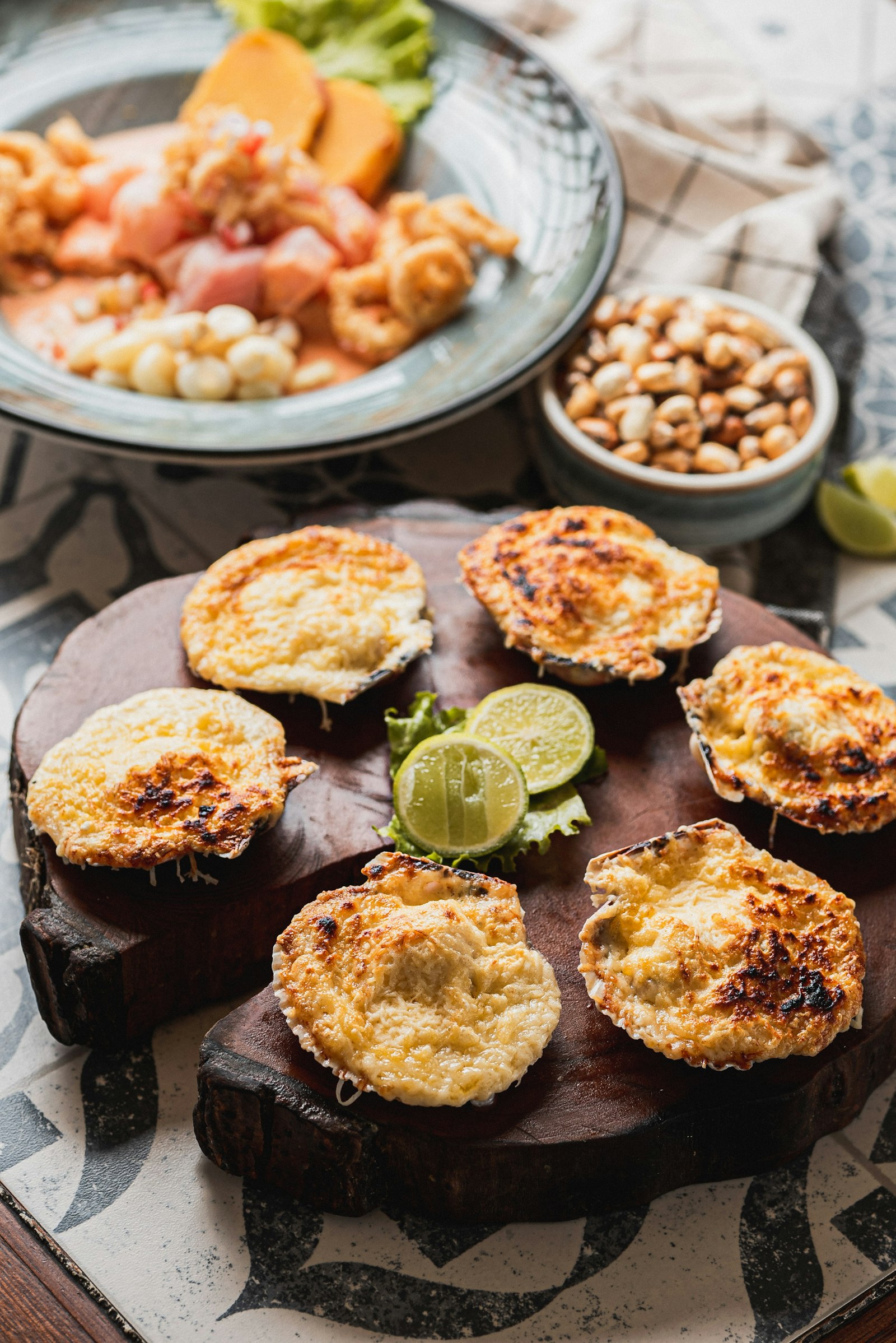
The cheapest spot in the area ($ on Tripadvisor) and one of the best rated, at 4.9 from 440 reviews. Open daily from 6:30 a.m. to 3 p.m. The ceviche here is Peruvian style (rocoto or limeño), so it’s a good place to taste the difference from the beach cocktail. They also do a seafood stew with coconut rice. Cra. 3 #6-102. See photos of the place.
Cevichería El Gramo: an evening option
A small ceviche bar at Cra. 4 #5-166, open daily from 11:30 a.m. to 9 p.m., handy when the beach vendors have packed up. It rates 4.4 on Google, though from only 28 reviews; one diner quoted the large house ceviche at COP 40,000 (USD 12.60), and another felt the portion was small. See photos of the place.
How much does a shrimp cocktail cost in Bocagrande?
There’s no official published price for the beach cocktail, and it depends on cup size and whether it’s shrimp only or mixed. As a benchmark, Exoticca put traditional ceviche at COP 18,000-35,000 (USD 6-11) in local areas and COP 45,000-85,000 (USD 14-27) in tourist areas in August 2026, a range we include in our Cartagena food prices 2026 table. Bocagrande counts as a tourist area: if you’re quoted much more than that for one cup, haggle or walk on.
How do I avoid being overcharged?
- Always ask the price first: how much, what size and what’s in it, and turn down any “free” tastings that later show up on the bill.
- Prices must be displayed: the mayor’s Decree 003 of 2024 requires prices in Colombian pesos with taxes included; you only have to pay the advertised price.
- Carry small bills: many vendors can’t break COP 50,000 or 100,000 notes.
- Report overcharging: in September 2026, a tourist charged COP 100,000 per piña colada at a Bocagrande beach business (listed at COP 45,000) got his money back after police stepped in. The city takes reports 24/7 on Titán Chat (WhatsApp +57 304 251 1127). Emergencies: 123.
Is it safe to eat seafood on the beach?
Thousands of people do it every day without trouble, but seafood is fragile at 30 °C in the shade. Here’s how we pick a vendor:
- The shrimp comes out of an iced cooler and is mixed to order, not sitting pre-mixed in a tub in the sun.
- The vendor doesn’t handle money and food with the same hand, one of the rules Cartagena’s health authority (Dadis) sets for beach food handlers.
- The shrimp smells clean and briny and feels firm; if it smells strong or looks dull, skip it.
- Raw oysters carry more risk than cooked shrimp; if you’re pregnant, immunocompromised or have a sensitive stomach, stick to the shrimp cocktail or order ceviche at a restaurant.
- Check that bottled water and drinks carry an Invima registration number and aren’t past their date.
What goes well with a shrimp cocktail?
Locals pair it with a chilled coconut or a coconut lemonade, and in the afternoon with an ice-cold Colombian beer. To turn it into lunch, follow it with fried fish, coconut rice and patacones, the coast’s other classic. October and November are the rainiest months, and afternoon downpours can empty the beach in minutes, so make the most of the morning and keep an indoor plan handy.
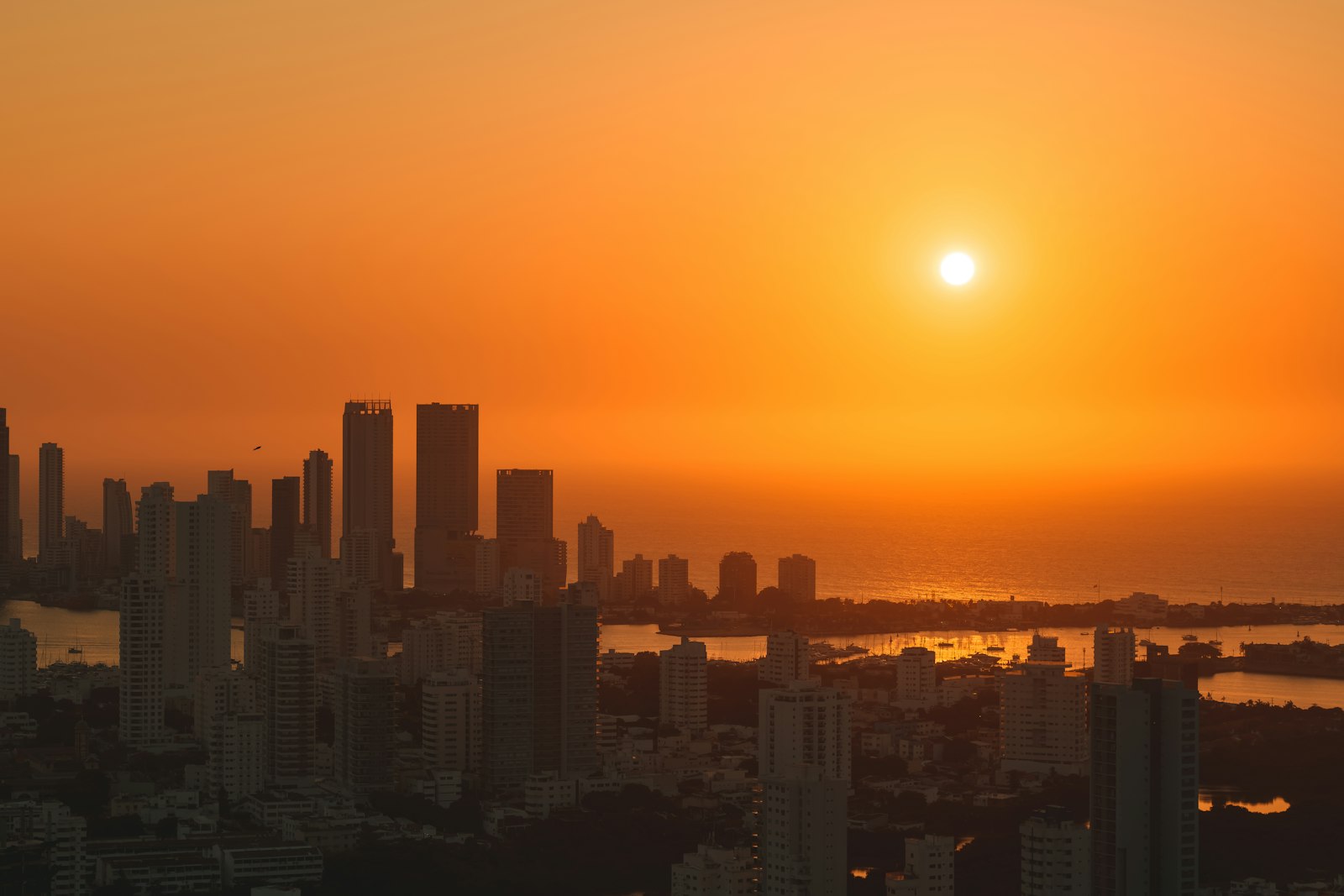
For sunset, trade the sand for a terrace: we list the best ones in our guide to where to eat in Bocagrande. First time in the neighborhood? Start with our complete Bocagrande guide and our list of Bocagrande landmarks.
Cartagena shrimp cocktail FAQ
Is Cartagena ceviche the same as Peruvian ceviche?
No. Cartagena ceviche, or shrimp cocktail, is cooked shrimp in a pink sauce of ketchup and mayonnaise. Peruvian ceviche is raw fish or seafood cured in lime. In Bocagrande you can try both: the first on the beach, the second at a restaurant such as Tac.
Where can I eat shrimp cocktail in Bocagrande?
From the vendors on Bocagrande Beach, at Kiosco El Bony (Carrera 1, on the beach), at Kazabe (Calle 6, ceviche trio) and at Cevichería El Gramo (Cra. 4 #5-166).
How much is a shrimp cocktail on the beach in Cartagena?
There’s no official price. As a benchmark, traditional ceviche costs COP 18,000-35,000 in local areas and COP 45,000-85,000 in tourist areas (Exoticca, August 2026). Always ask the price before ordering.
Is beach shrimp cocktail safe to eat?
Generally yes, if the shrimp comes out of an iced cooler and is mixed to order. Avoid anything that has sat in the sun for hours and, if your stomach is sensitive, skip raw oysters.
What’s in a Cartagena shrimp cocktail?
Cooked shrimp, ketchup, mayonnaise, lime, red onion and cilantro, with hot sauce to taste. It’s served cold in a cup with soda crackers; mixed versions add octopus, conch or oysters.
Does Cartagena hold the record for the largest shrimp cocktail?
It did: in 2015 Cartagena cocktail makers built a 1,320 kg cocktail recognized by Guinness. Denver (1,485 kg, 2022) and Mazatlán, Mexico (1,701.5 kg, 2023) have since beaten it.
Sources
- El Universal: Lácides Venera and the shrimp cocktail record (Nov 15, 2015, in Spanish)
- El Universal: cocktail makers go for the Guinness record (Jun 1, 2015, in Spanish)
- Portafolio: Colombia’s Guinness records (in Spanish)
- ADN40: the Mazatlán record (Feb 5, 2023, in Spanish)
- El Universal: council proposes a shrimp cocktail festival (Oct 7, 2023, in Spanish)
- El Universal: 10 typical Cartagena dishes (May 27, 2026, in Spanish)
- Sunheron: what to eat in Cartagena
- Wanderlog: Kiosco El Bony and Cevichería El Gramo (checked Oct 17, 2026)
- Matador Network: Bonifacio Ávila and Kiosco El Bony
- Tripadvisor: restaurants near Bocagrande Beach (checked Oct 14, 2026)
- Exoticca: what a trip to Cartagena costs in 2026 (Aug 5, 2026, in Spanish)
- El Universal: the new Beach 2 in Bocagrande (Sep 6, 2026, in Spanish)
- El Universal: tourist recovers money after overcharge (Sep 17, 2026, in Spanish)
- Semana: Decree 003 of 2024 against overcharging (in Spanish)
- El Universal: Dadis advice for food handlers (in Spanish)
- El Universal: 2026 taxi fares (in Spanish)
- Official exchange rate (TRM), October 16, 2026


