

Last updated: October 3, 2026
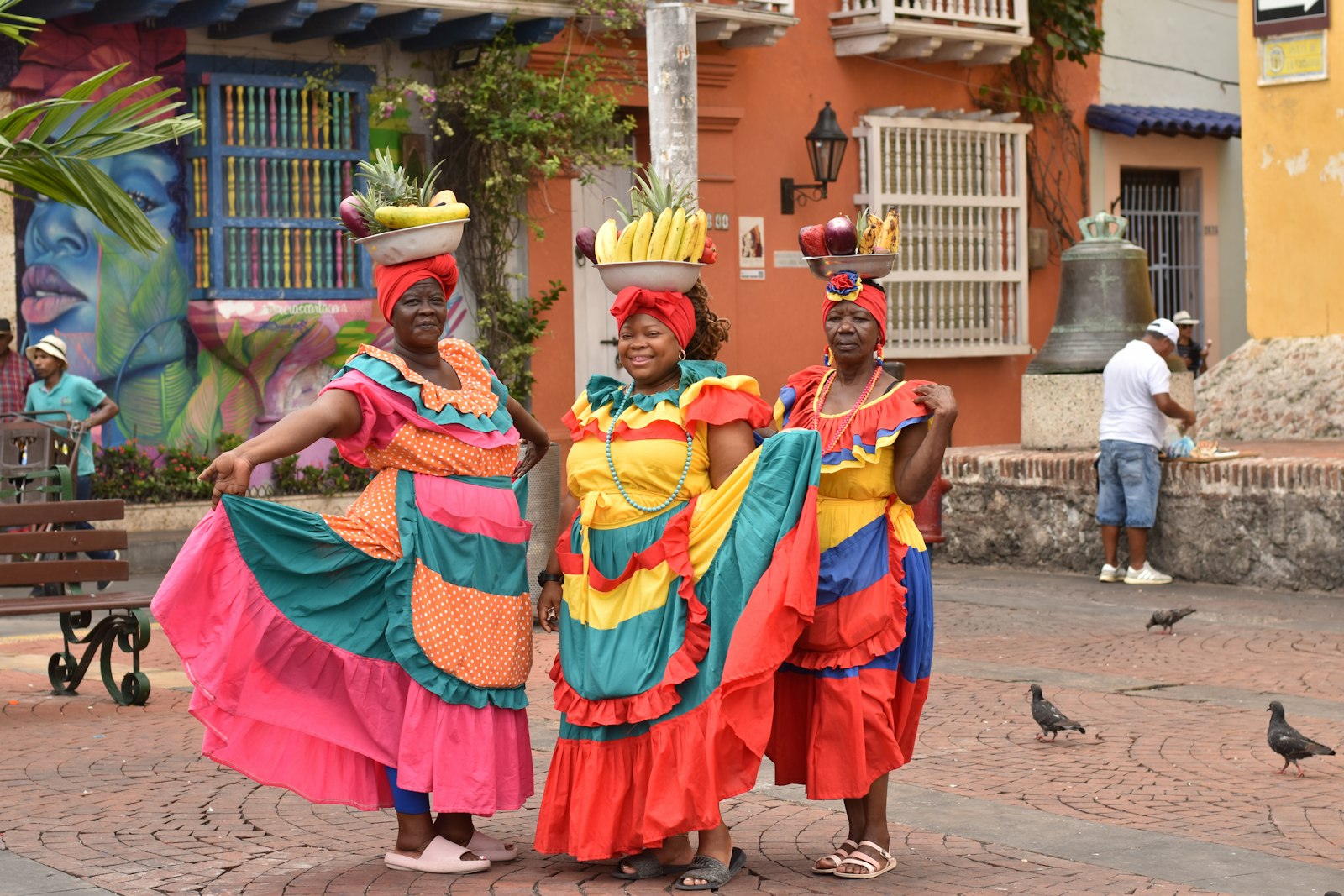
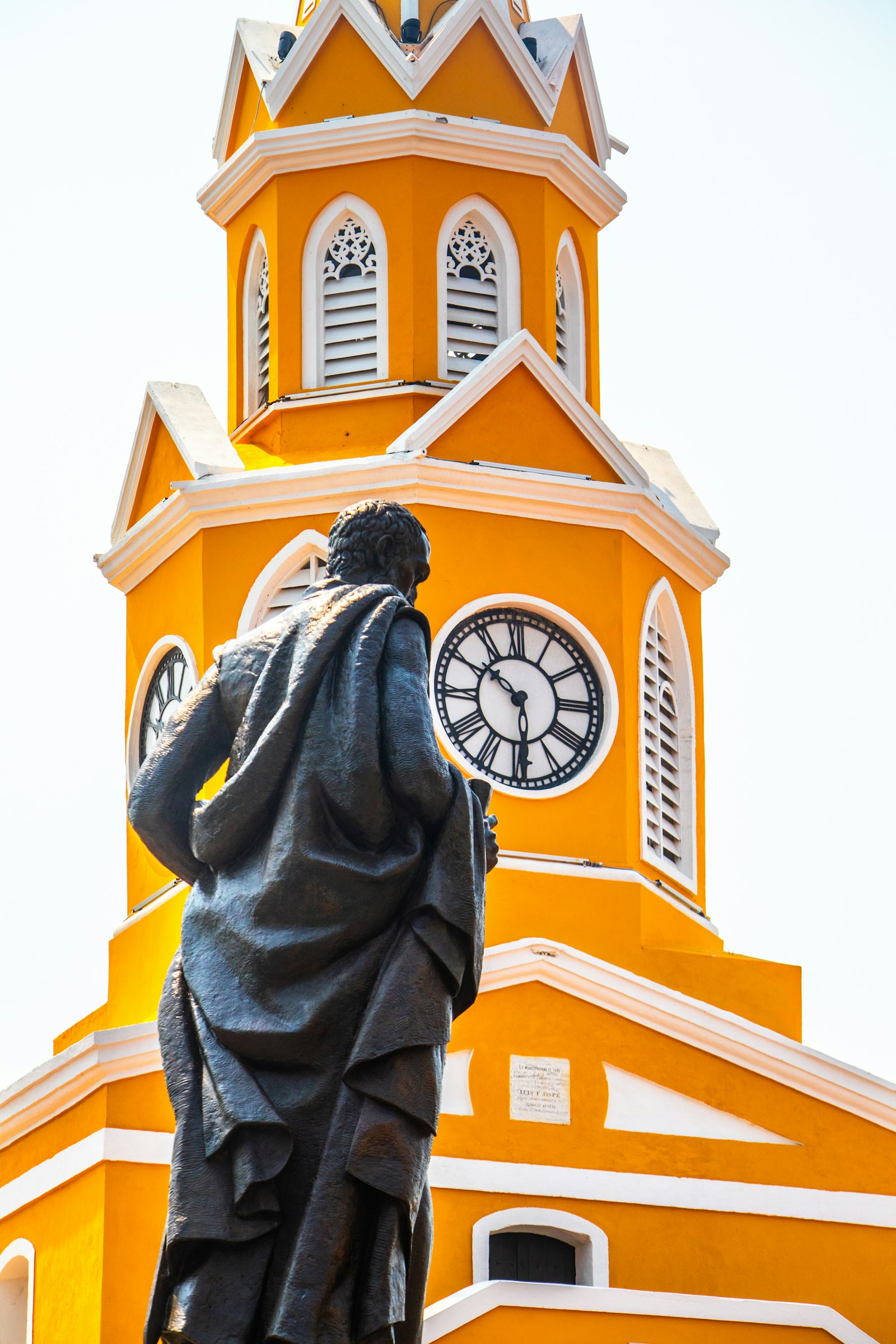
The best place to try traditional Cartagena sweets is the Portal de los Dulces, on Plaza de los Coches, just past the Clock Tower. There, women who inherited the craft from their mothers and grandmothers sell cocadas, alegrías, papaya caballitos, tamarind balls and enyucado from about COP 1,000-2,000 per small piece.
Quick facts
- Location: Portal de los Dulces, the arcade on Plaza de los Coches, facing the Clock Tower (Old Town).
- Getting there: take a taxi to the Clock Tower (Torre del Reloj); from Getsemaní it’s about a 5-minute walk across the Camellón de los Mártires.
- Best time: mid-morning to early afternoon, when it’s quieter; at dusk the square comes alive but gets noisier and busier with vendors. There are no official published hours.
- Approximate budget: COP 1,000-2,000 (≈ USD 0.30-0.60) per small cocada; large pieces from COP 10,000 (≈ USD 3). With COP 15,000-20,000 (≈ USD 5-6) you can sample five or six different sweets.
- Time needed: 20-40 minutes; combine it with the Clock Tower and Plaza de los Coches.
Prices per Colombia.com (July 2026). Approximate rate: COP 3,200 per USD (September 2026).
What is the Portal de los Dulces and what is its history?
It’s the arcaded walkway lining Plaza de los Coches, the triangular square that opens up behind the Clock Tower. Under the arches, the dulceras (sweet makers) set up tables crowded with glass jars of colorful cocadas, sweet balls and bars. According to Colombia.com, sellers have occupied this spot since 1921, and in 2021 Cartagena’s Heritage and Culture Institute (IPCC) celebrated its first centenary.
The craft is passed down within families: grandmothers, mothers, daughters and nieces have handed down recipes over five generations, El Heraldo reports. That’s why in 2021 the IPCC started the process to add the tradition to Cartagena’s Representative List of Intangible Cultural Heritage, along with a special safeguarding plan.
The place has literary weight too. Gabriel García Márquez portrayed the portal’s sweet sellers in Love in the Time of Cholera, and poet Luis Carlos López and chroniclers such as Daniel Lemaitre also wrote about it. It’s worth remembering that in colonial times Plaza de los Coches was one of the city’s markets for enslaved people: eating a cocada here is also a way to connect with the Afro-Caribbean heritage that shaped this confectionery.
Which traditional sweets should you try at the Portal de los Dulces?
Almost everything is built on coconut, panela (unrefined cane sugar) and tropical fruit. These are the essentials, with what goes into each so you know what to ask for.
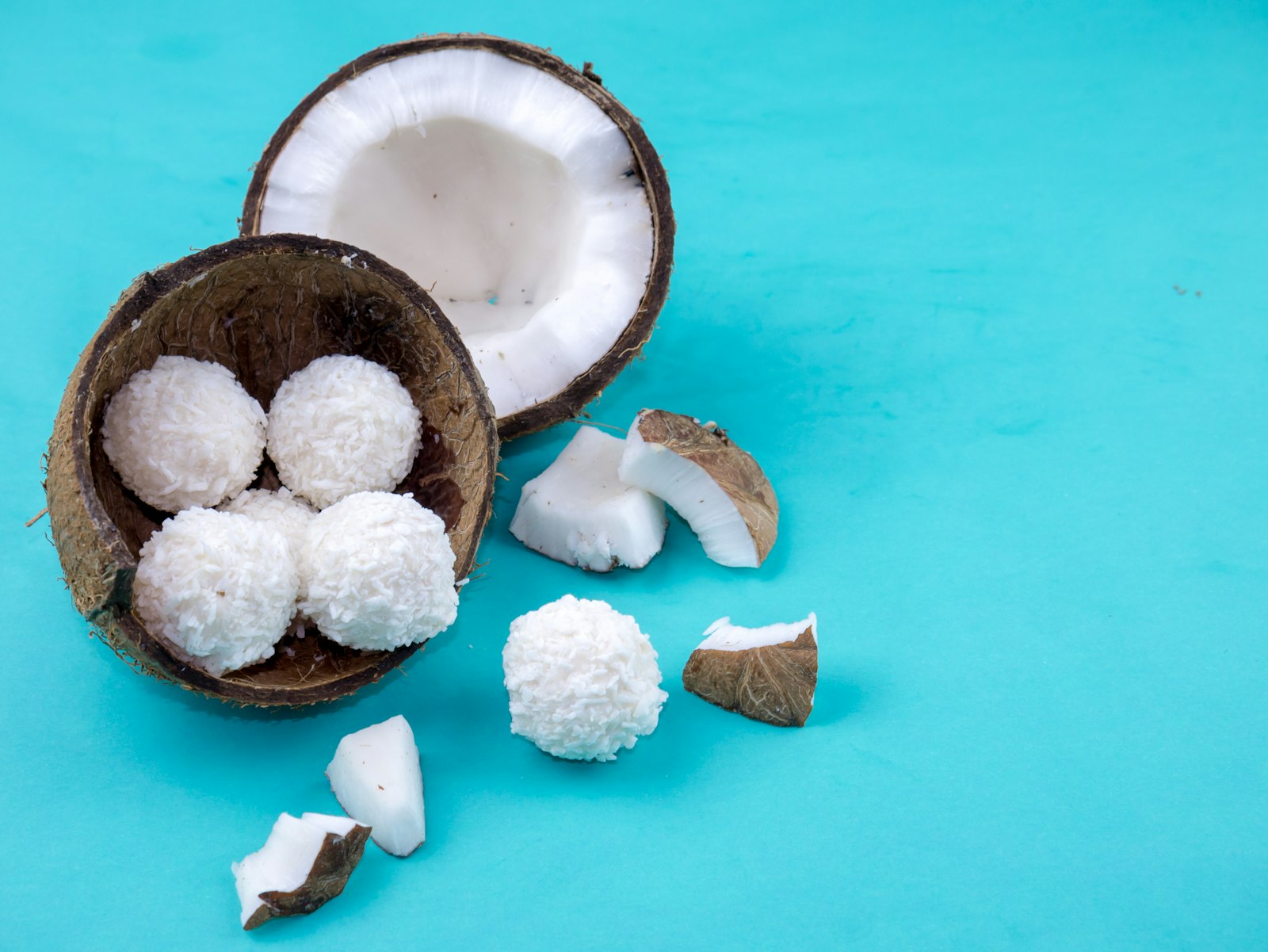
Cocadas: queen of the Portal
Made with grated coconut, sugar or panela, coconut water and milk. You’ll find white ones, darker panela ones and flavored versions: pineapple, guava, arequipe (dulce de leche) or coconut milk, plus little coconut shells. In García Márquez’s novel, set in the late 19th century, street sellers were already calling out cocadas by flavor; today every dulcera has her own mix, so compare two or three stalls.
Alegrías: millet, panela, coconut and anise
Balls or small cakes of millet, panela and coconut with a hint of anise. Making them by hand in a copper pan is considered an art perfected over years. In 2024 El Universal told the story of Evelia Alcalá, a matrona who has made them since she was four and sells them daily at the Portal.
Muñequitas de leche and panelitas
Milk-and-sugar sweets cooked until firm. Muñequitas are shaped like little figures and panelitas are small squares; they melt in your mouth and are a good choice for kids or anyone who finds the panela cocada too intense.
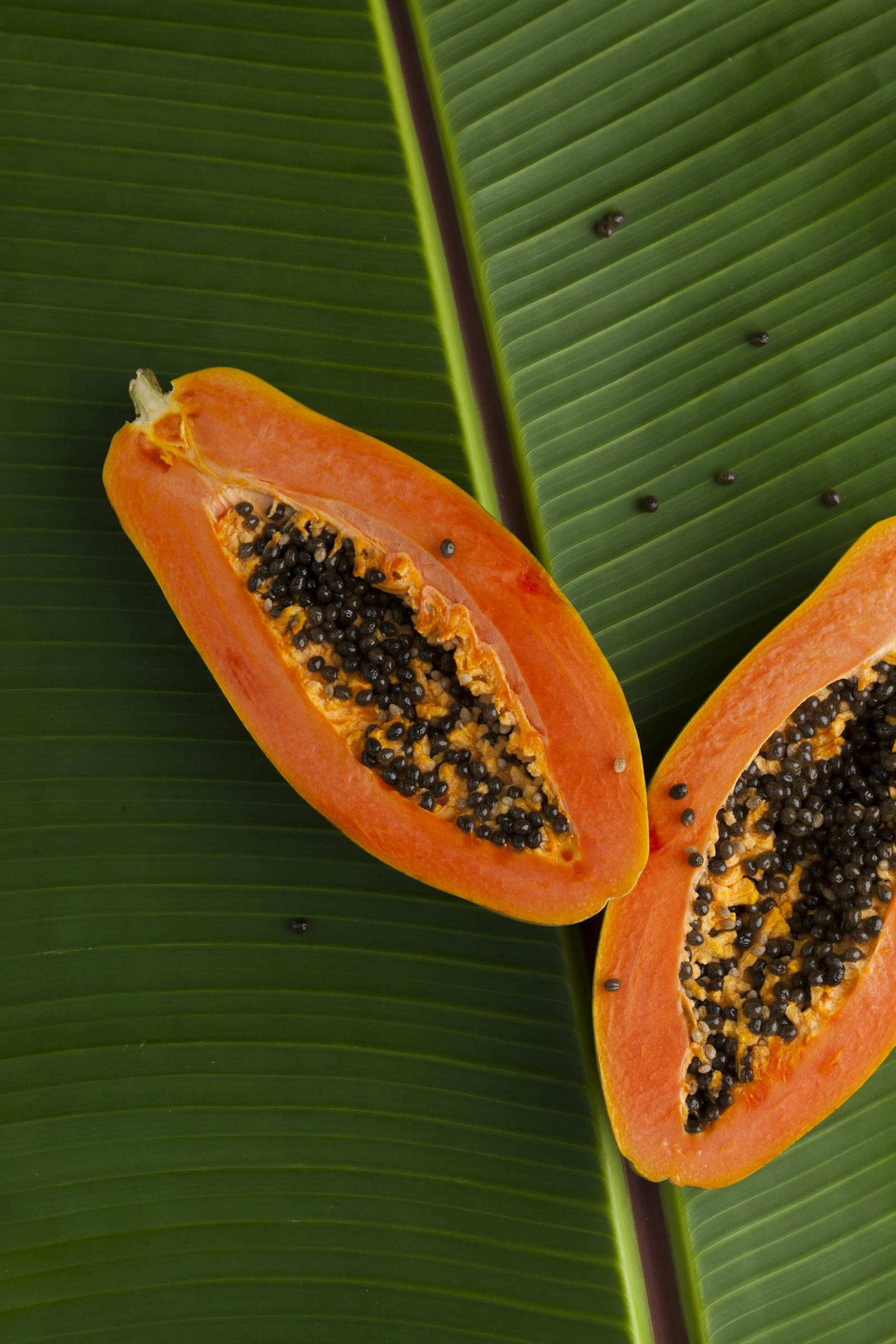
Papaya caballitos
Strips of papaya slowly cooked in sugar or panela syrup, sometimes with cinnamon and cloves. They turn glossy, a little chewy and very sweet. It’s a Cartagena classic you’ll rarely see outside the region.
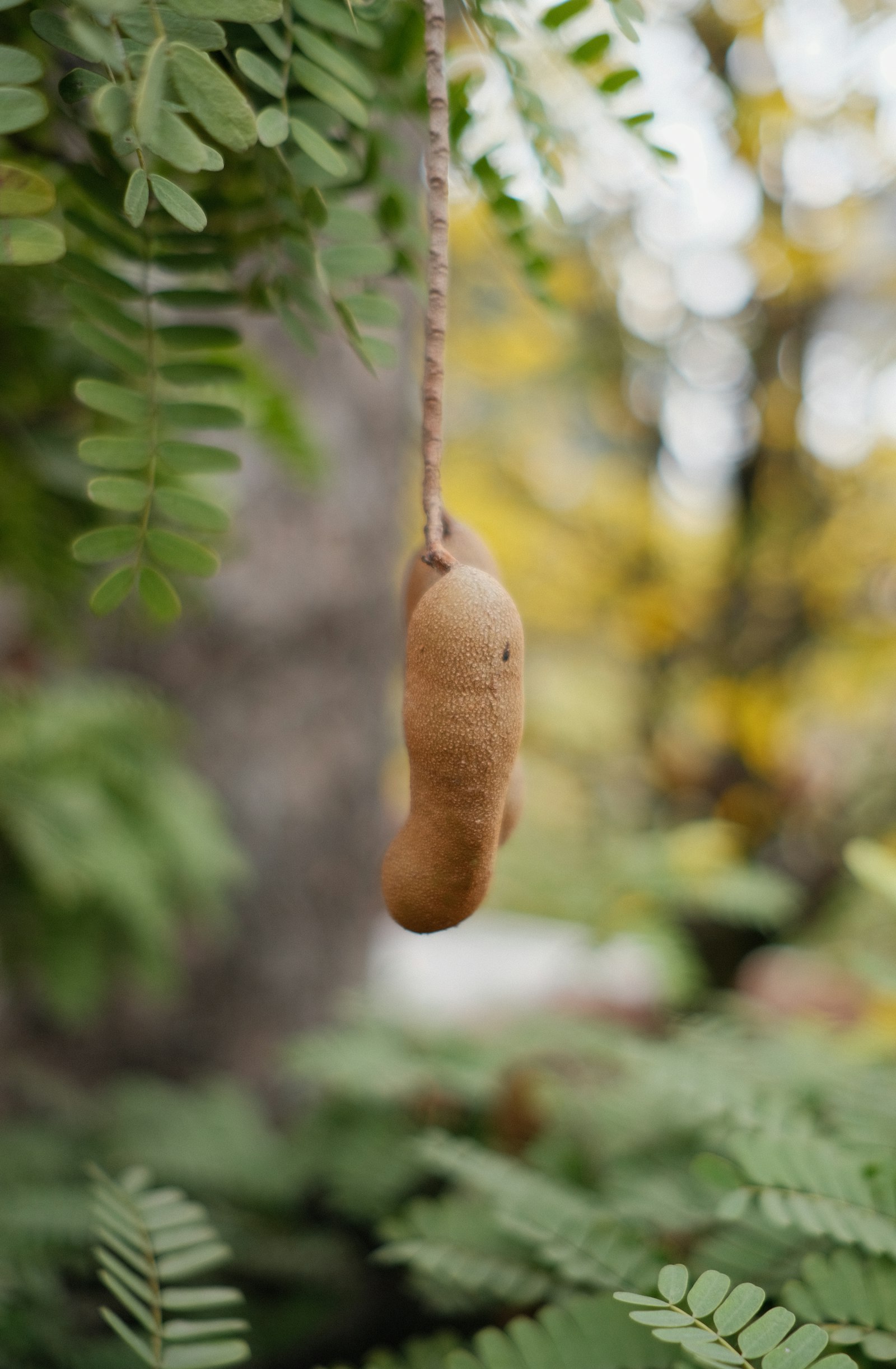
Tamarind balls
Tamarind pulp rolled with sugar into small balls. Their sweet-and-sour taste stands out from everything else on the counter and often wins over people who find cocadas too sugary.
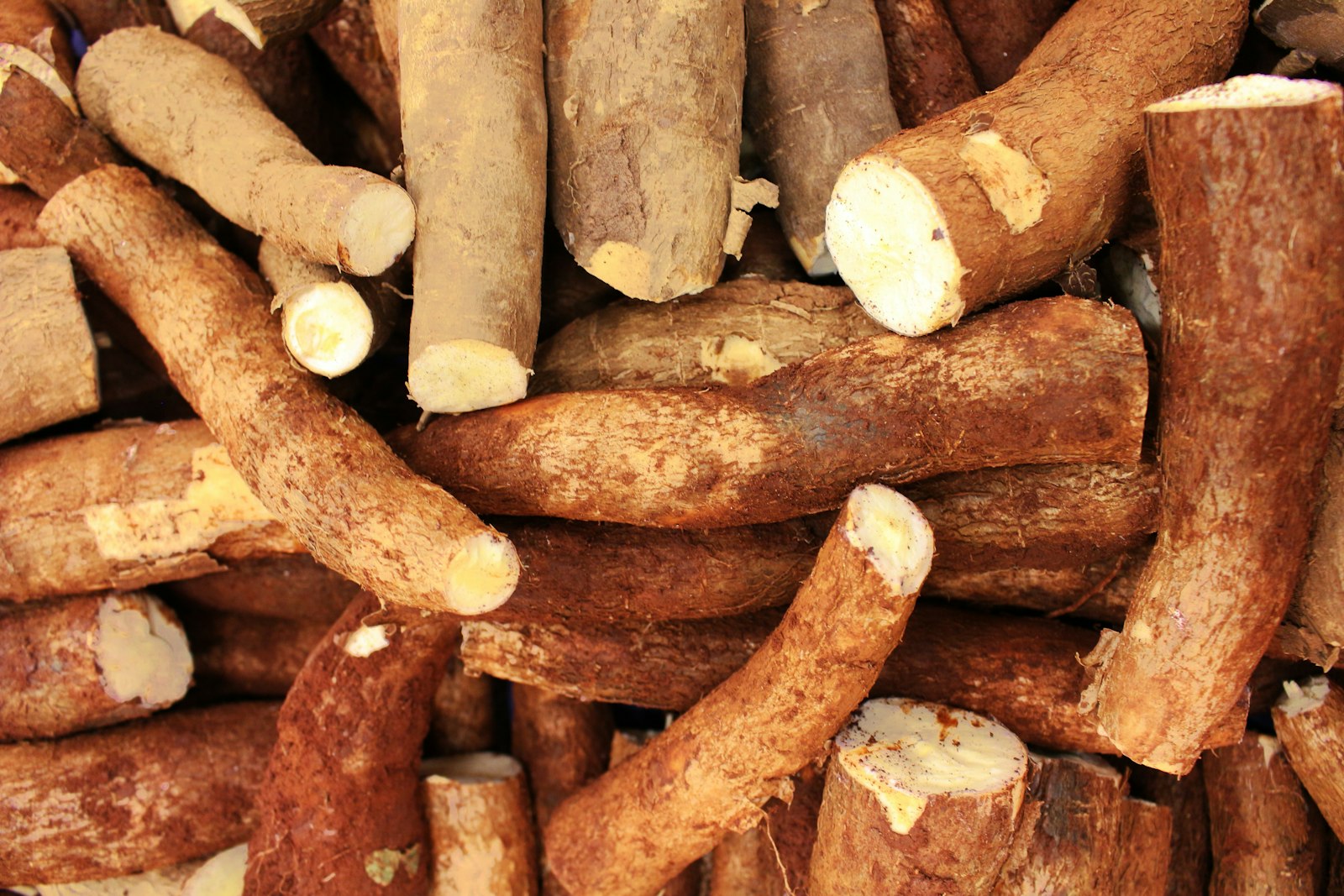
Enyucado
A baked dessert of grated cassava (yuca), coconut, queso costeño, sugar and anise, cut into squares. It’s more of an afternoon snack than a candy, and on the coast it’s eaten with black coffee. El Universal lists it among the products you can buy at the Portal.
Other sweets you’ll see in the jars
- Cubanitos: rolls of coconut, cinnamon and sugar wrapped in colored paper.
- Merengues and melcochas: whipped egg white and pulled panela taffy, respectively.
- Buchepavos and sesame sweets: less known to visitors but part of the dulceras’ classic repertoire.
| Sweet | Main ingredients | Taste and texture | Order it if… |
|---|---|---|---|
| Cocada | Coconut, sugar or panela, milk | Very sweet, chewy | You want the classic |
| Alegría | Millet, panela, coconut, anise | Crunchy, spiced | You want something handmade |
| Muñequita de leche | Milk, sugar | Soft, melts in the mouth | You’re traveling with kids |
| Caballito | Papaya, sugar or panela, spices | Glossy, chewy | You want something different |
| Tamarind ball | Tamarind, sugar | Sweet and sour | You dislike very sugary sweets |
| Enyucado | Cassava, coconut, queso costeño, anise | Baked, moist | You want an afternoon snack |
Where else can you try traditional sweets in the Old Town?
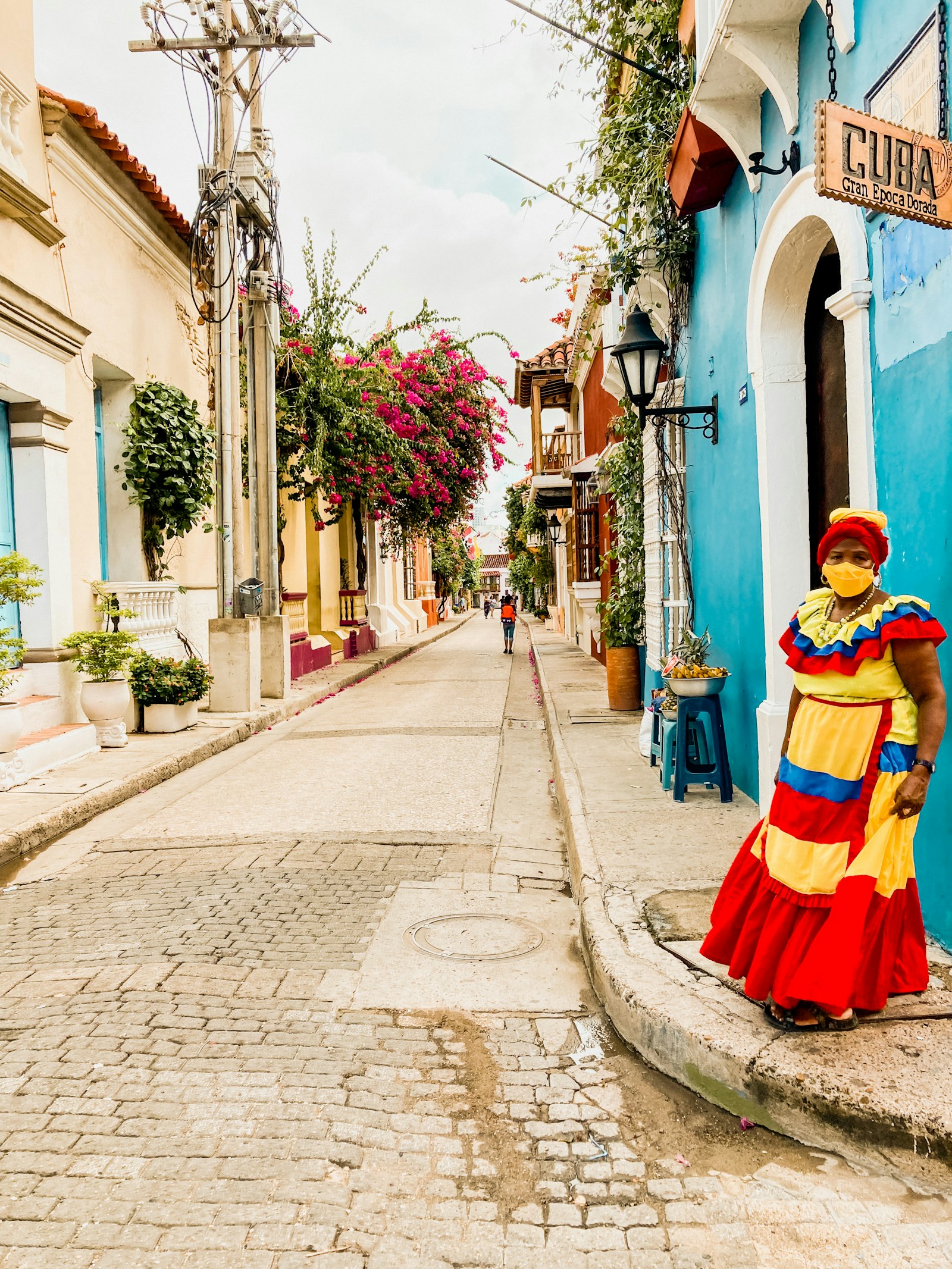
The palenqueras of the plazas
Women from San Basilio de Palenque, considered the first free town in the Americas and whose cultural space UNESCO recognizes as intangible heritage, walk Plaza de Santo Domingo, Plaza de los Coches and the downtown streets with bowls of fruit and coconut sweets balanced on their heads. Buying an alegría or a cocada from them directly supports their livelihood.
The Sweets Festival (Holy Week)
Every Holy Week, the IPCC holds the Festival del Dulce on Plaza de los Coches. The 16th edition ran from March 26 to April 5, 2026, 4:00-10:00 p.m., with coconut as the star ingredient and, for the first time, participants from the city’s neighborhoods. If you’re visiting during Holy Week 2027, check the dates on the IPCC’s channels.
At a restaurant table
Several Old Town restaurants reinterpret coastal desserts on their menus. To pick where to sit down, see our guide to where to eat in Cartagena’s Old Town.
How much do they cost and how do you buy without surprises?
- Ask the price first: not every stall displays prices. The 2026 benchmark is COP 1,000-2,000 per small cocada.
- Carry small bills: most dulceras only take cash and may not have change for COP 50,000 or 100,000 notes.
- Taste before you buy: many sellers offer samples; if a sweet is too intense, go for single-flavor ones.
- Heat and storage: keep sweets out of the sun. Milk sweets and enyucado spoil faster than cocadas and alegrías; ask how many days they last.
- Pushy vendors: Plaza de los Coches is full of people offering tours and souvenirs. A friendly “no, gracias” is enough.
- Pickpockets: the square gets crowded after dark; keep your phone and wallet in a cross-body bag.
- Photos of palenqueras: ask permission and agree on a tip before you shoot.
How do you fit the Portal de los Dulces into an Old Town walk?
Use it as your first or last stop. Walk in through the Clock Tower, buy your sweets and carry on along Calle de las Damas or toward Plaza de Santo Domingo; we lay out the full route in our article on Cartagena’s Walled City streets. If it’s your first visit, start with our complete Walled City guide. To wash it all down, try a coconut lemonade, which we cover in the best drinks in Cartagena, and pair it with the fruit in our guide to Cartagena’s tropical fruits.
Cartagena sweets: frequently asked questions
Where can I buy traditional sweets in Cartagena?
At the Portal de los Dulces, the arcade on Plaza de los Coches right after you walk through the Clock Tower in the Old Town. Palenqueras also sell them in the downtown plazas, and the Festival del Dulce takes over the square during Holy Week.
How much does a cocada cost in Cartagena in 2026?
According to Colombia.com (July 2026), single cocadas cost COP 1,000-2,000 (about USD 0.30-0.60) and large coconut pieces start at COP 10,000 (about USD 3). Always ask the price before buying.
What is the most typical sweet in Cartagena?
The cocada, made with grated coconut, sugar or panela, coconut water and milk. Close behind are the alegría (millet, panela, coconut and anise), muñequitas de leche and papaya caballitos.
What is an alegría?
A round sweet made with millet, panela and coconut, scented with anise. It is tied to the matronas and palenqueras who have made it by hand for generations.
How old is the Portal de los Dulces?
Sweet sellers have worked under this arcade since 1921. In 2021 Cartagena’s Heritage and Culture Institute (IPCC) marked the centenary and began the process to recognize the trade as the city’s intangible heritage.
When is Cartagena’s Sweets Festival?
It is held during Holy Week on Plaza de los Coches. The 16th edition ran from March 26 to April 5, 2026, from 4:00 to 10:00 p.m., organized by the IPCC.
Can I take Colombian sweets home on the plane?
Packaged cocadas and alegrías travel well in your luggage. Before flying, check your destination country’s food import rules and ask the seller how many days each sweet keeps.
Sources
- Colombia.com – Portal de los Dulces: qué dulces probar y precios (21/07/2026)
- Colombia.com – Festival del Dulce 2026 en Cartagena
- Alcaldía de Cartagena – El Portal de los Dulces en el XVI Festival del Dulce
- El Heraldo – Proceso para que las vendedoras de dulces sean patrimonio de Cartagena (2021)
- El Universal – En Cartagena la alegría se fabrica con amor (2024)
- El Universal – Cruz Villeros López, la dulcera mayor (2013)
- El Universal – Gastronomía de Cartagena: 10 platos típicos (27/05/2026)
- Colombia.com – Cómo preparar un enyucado costeño
- donde.co – Los dulces más vendidos del Portal de los Dulces
- Silversea – Las palenqueras de Cartagena
- UNESCO – Espacio cultural de San Basilio de Palenque


