


Last updated: October 6, 2026
Getsemaní is Cartagena’s liveliest colonial neighborhood: the old artisans’ quarter just beyond the Clock Tower, birthplace of the 1811 independence uprising and today famous for its street art, Plaza de la Trinidad and nightlife. You can explore it on foot in half a day, it costs nothing, and it’s a five-minute walk from the Old Town.
Quick facts
- Location: southeast of the walled city, between Parque del Centenario, the Bahía de las Ánimas and the Caño de San Lázaro.
- Getting there: walk from the Clock Tower (3–5 minutes, across the Camellón de los Mártires). By taxi, the 2026 minimum fare is COP 12,250 (≈ USD 3.70), plus a COP 1,100 night surcharge.
- Best time: 7–9 a.m. to photograph the murals without crowds; from 4 p.m. for atmosphere; evenings at Plaza de la Trinidad.
- Approximate budget: walking and mural-spotting are free; an arepa de huevo in tourist areas costs COP 8,000–15,000 (≈ USD 2.40–4.50); free walking tours run on tips, usually COP 30,000–50,000 (≈ USD 9–15).
- Time needed: half a day to explore, plus one evening for dinner and drinks.
Approximate rate: USD 1 ≈ COP 3,313 (official TRM, October 1, 2026).
What makes Getsemaní special?
If the walled Old Town is Cartagena of balconies and museums, Getsemaní is Cartagena of the street. Neighbors pull chairs out onto the sidewalk at dusk, kids play soccer in the plaza and the façades double as canvases for murals. In recent years the neighborhood has filled with hostels, boutique hotels, bars and restaurants, yet it keeps a working-class soul you won’t find inside the walls.
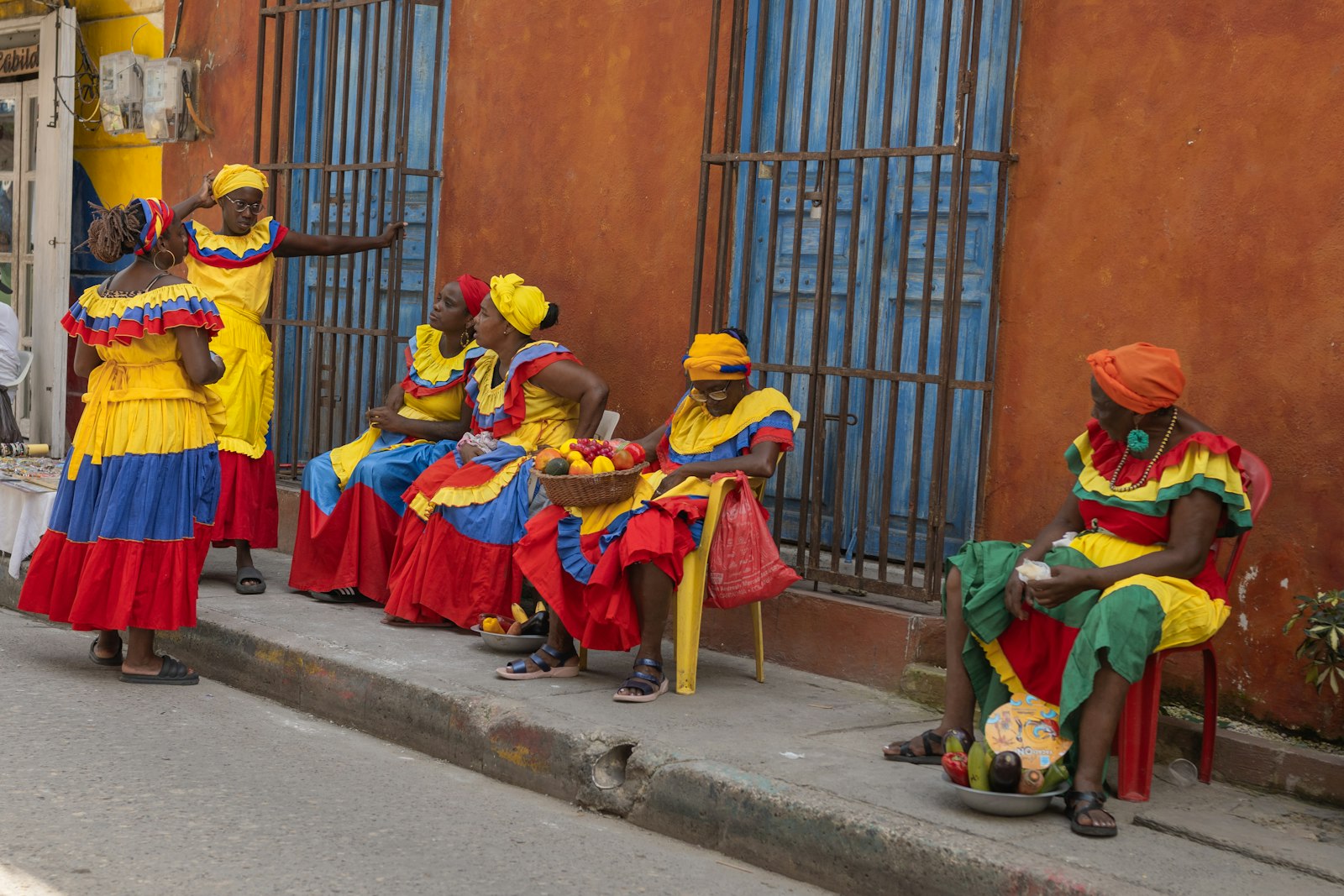
That soul is now officially protected. On July 3, 2026, Getsemaní’s “Vida de Barrio” (neighborhood life) was declared Intangible Cultural Heritage of the Nation by Colombia’s Ministry of Culture and the City of Cartagena. The safeguarding plan covers its music, food, neighborly ties and traditions such as the Cabildo parade, rag-ball games and the kite festival. For visitors, the takeaway is simple: you’re walking into someone’s home.
What is the history of Getsemaní?
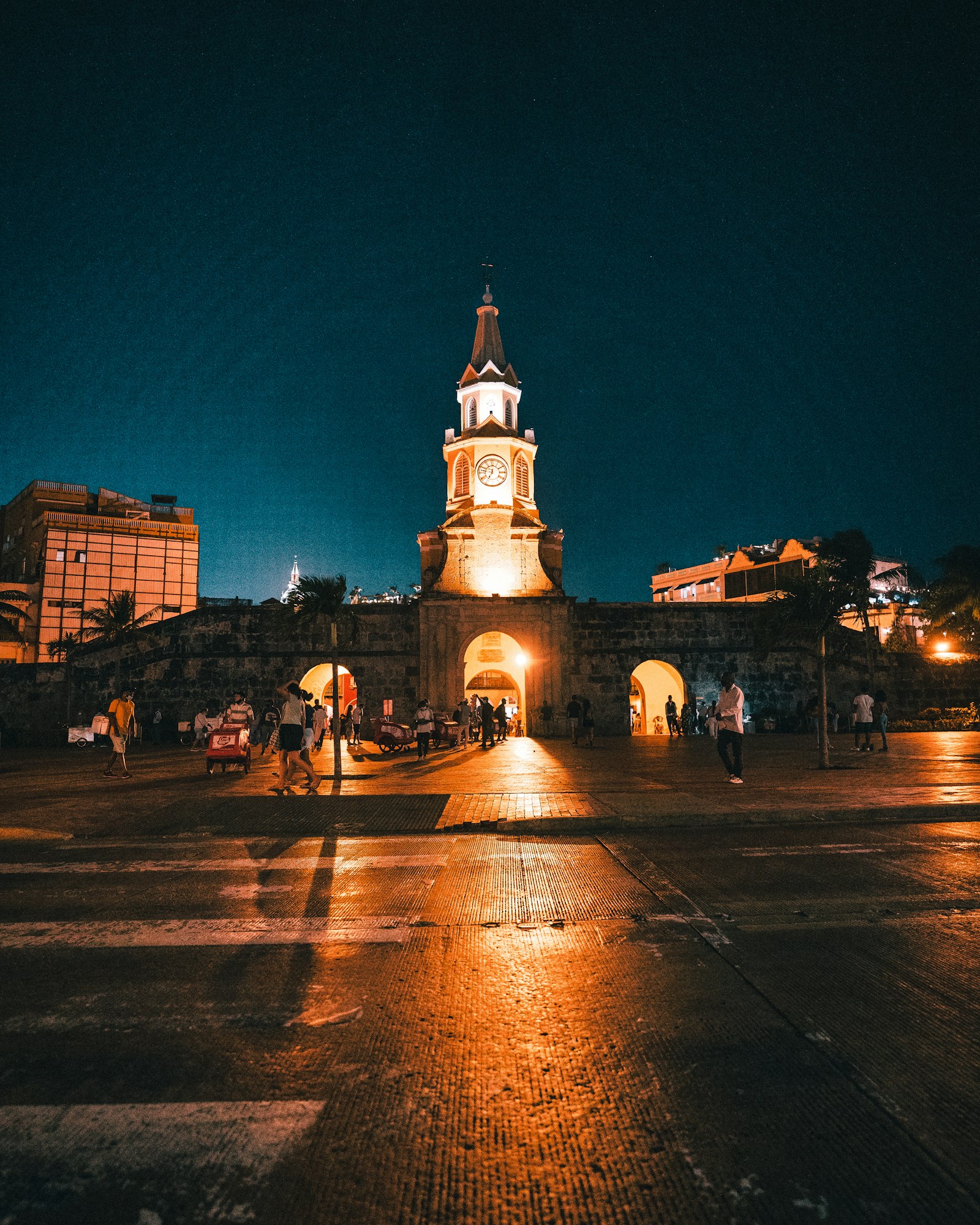
Getsemaní began in colonial times as an arrabal, a suburb outside the main walls: home to artisans, carpenters, fishermen, traders and Afro-descendant residents, both free and enslaved, who worked for the city but lived beyond it. In 1631 Governor Francisco de Murga brought it into the fortification system; its own walls, now almost gone, connected to the main enclosure via the San Francisco bridge, where the Camellón de los Mártires stands today.
Its defining moment came on November 11, 1811. The Getsemaní Lancers, led by the artisan Pedro Romero, gathered in the neighborhood, armed themselves and marched on the Government Palace, pressing the ruling Junta until it declared absolute independence from Spain. That’s why Cartagena’s Independence Festivities end each November with the Cabildo de Getsemaní.
The 20th century was harder. In 1978 the public market moved to Bazurto and the Convention Center was built on its site, cutting the neighborhood off from the bay. After the 1984 UNESCO listing, real estate pressure spread from the Old Town and San Diego into Getsemaní, and many families sold up. Local guides estimate that only around 16% of the original residents remain. Knowing this will change how you see the place.
What should I see in Getsemaní?
Plaza and Church of the Santísima Trinidad
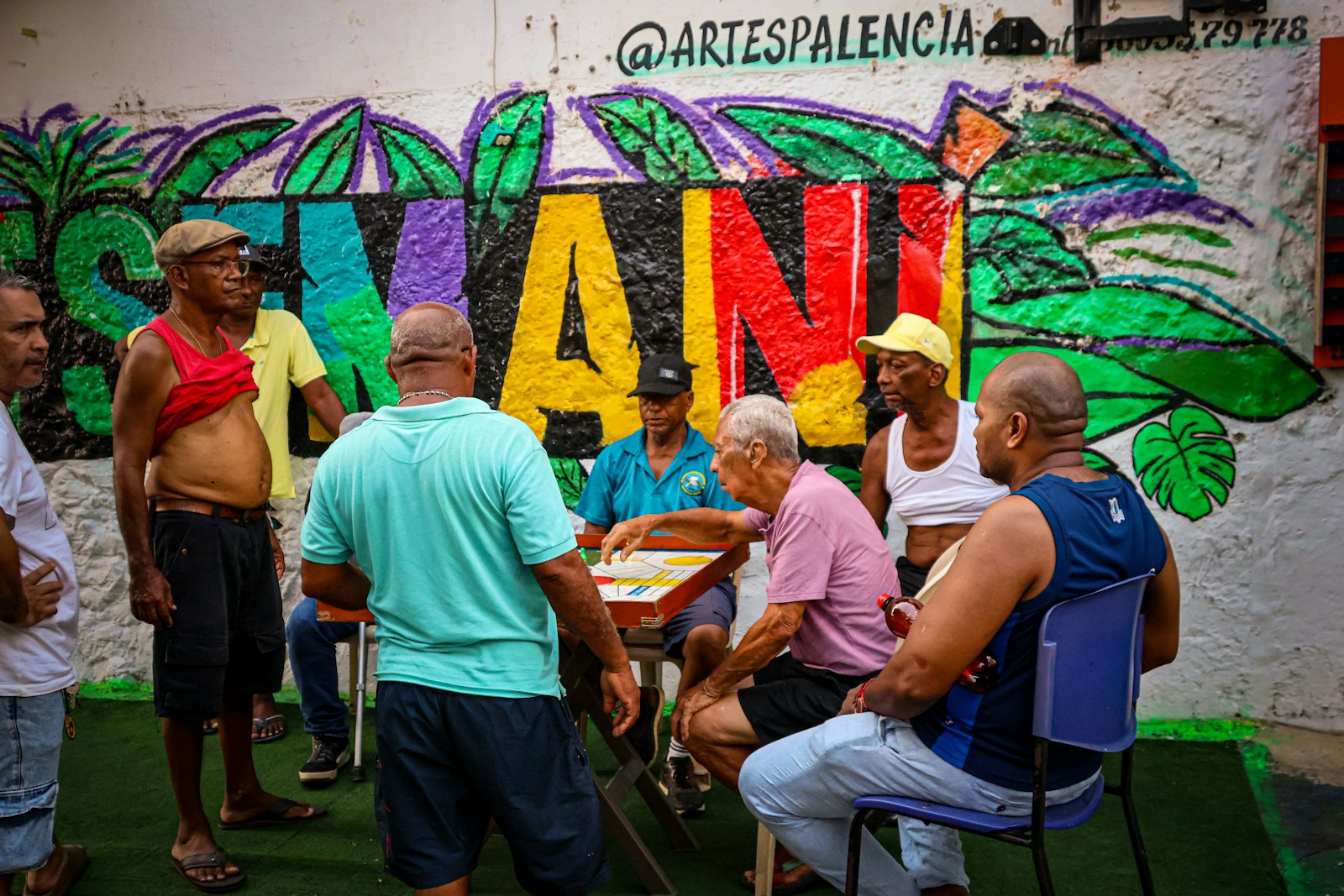
This is the neighborhood’s living room. The church, with its simple single-tower façade, received royal approval in 1642–1643 and is one of Cartagena’s oldest; it was built to serve the people of the arrabal. Entry is free and it’s an active parish, with Sunday masses usually at 9 a.m. and 7 p.m. (check at the church). After dark the plaza fills with neighbors, travelers, street-food stalls and impromptu musicians. Grab a spot on the church steps and watch: it’s the best free show in Cartagena.
Street art: Calle de la Sierpe, Callejón Angosto and Calle San Juan
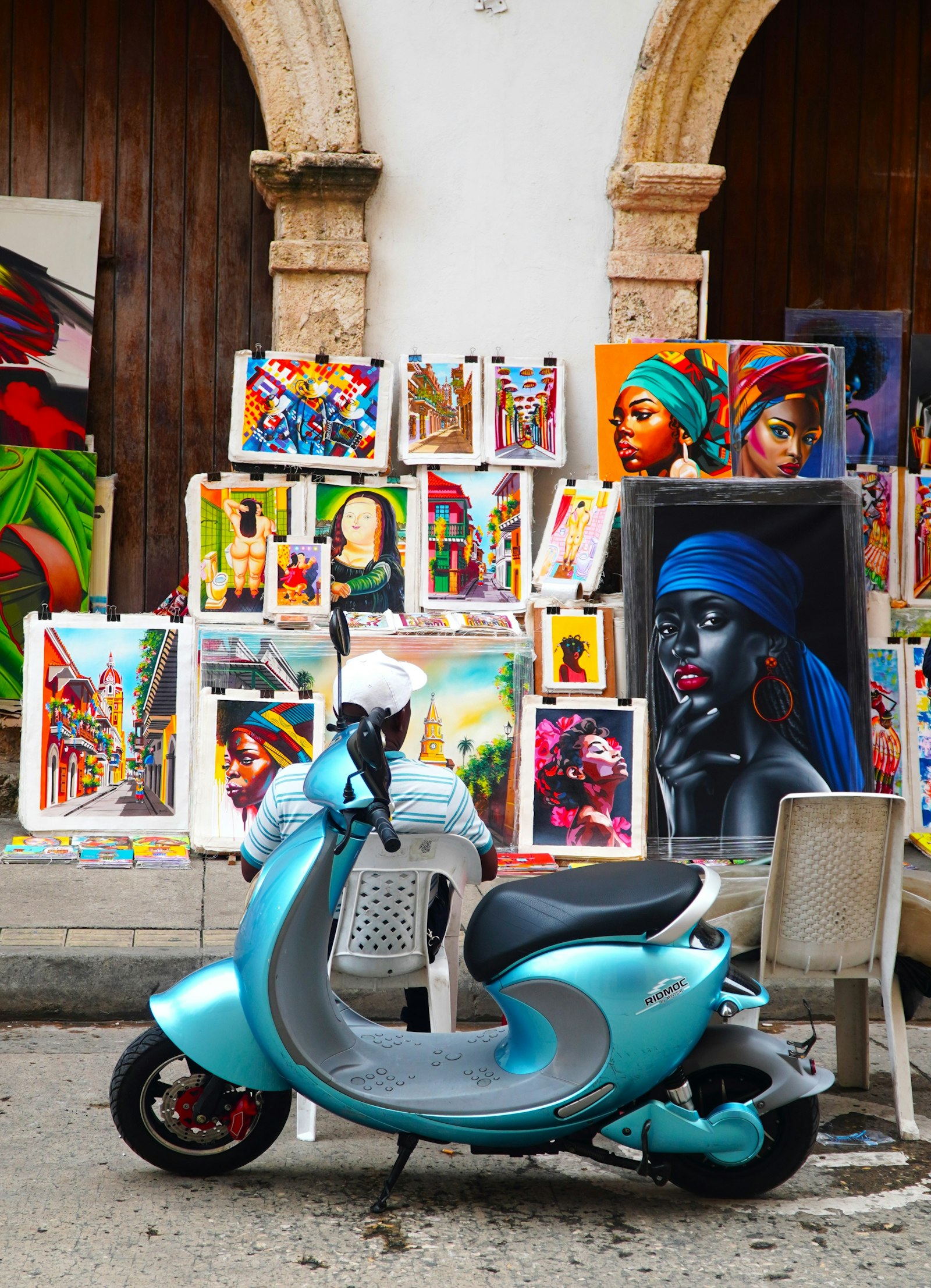
Getsemaní packs more than 200 murals into roughly a kilometer of streets. Many date from around 2010 and the “Pedro Romero vive aquí” project, portraying neighbors, Afro-Caribbean history and the community’s resistance to gentrification. The most photogenic stretches are Calle de la Sierpe, the narrow Callejón Angosto, lined with murals on both sides, and Calle San Juan with its colorful bunting. Seeing them is free at any hour, though the best light is early morning or late afternoon. To learn who painted what, join a guided tour (90 minutes to 2 hours).
Parque del Centenario
Opened in 1911 to mark the centenary of independence, this park separates Getsemaní from the walled city. It has an obelisk topped by a condor, and its trees are home to sloths, monkeys, iguanas and birds: watch them without touching or feeding them. After its restoration the city extended its hours until 10 p.m., but at night it’s best simply to cross it along the lit paths.
Calle del Arsenal and the Bahía de las Ánimas
The street facing the bay is lined with bars and clubs open into the early hours. Next door stands the Cartagena de Indias Convention Center, on the site of the old market. By day it’s a good spot to watch the boats and the colors of the bay; by night it’s the center of the party.
The new Four Seasons facing Parque del Centenario
Opened in April 2026, the Four Seasons Hotel Cartagena spans several restored and connected historic buildings, including the former 1920s Club Cartagena, with 131 rooms. Even if you’re not staying, some of its bars and restaurants are open to the public and let you see the restored architecture from the inside. It’s also the most visible symbol of how much the neighborhood has changed.
What are the main streets in Getsemaní?
- Calle de la Media Luna: the main artery, lined with hostels, bars and shops; one of the busiest streets at night.
- Calle del Guerrero: links Media Luna with Plaza de la Trinidad; Café Havana sits on its corner.
- Calle del Arsenal: the bayfront nightlife strip.
- Calle Larga: a busy commercial street with Caribbean-food restaurants.
- Calle del Espíritu Santo: quiet and residential; home to Celele.
- Calle de la Sierpe, Callejón Angosto and Calle San Juan: the open-air street art gallery.
- Tripita y Media: officially Calle Canabal, after independence-act signatory Eusebio María Canabal, but the nickname stuck; local lore says it comes from a fisherman’s daughter who cooked fish tripe.
Want to compare with the other side of the wall? Read our walk through the streets of Cartagena’s walled city.
What are the best things to do in Getsemaní?
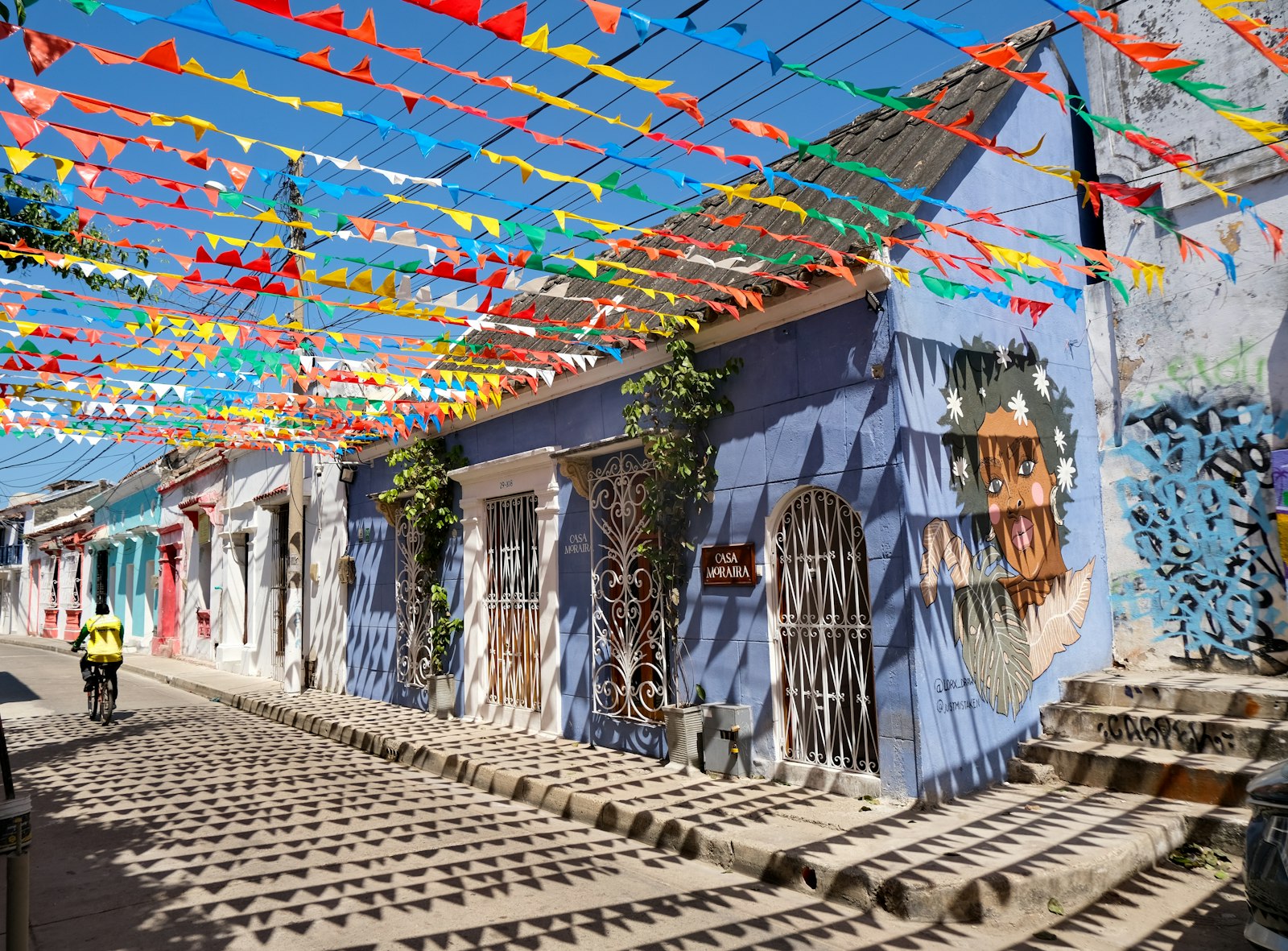
- Join a free street art or history tour. Several operators run daily; you tip at the end (COP 30,000–50,000 per person is typical).
- Dance salsa at Café Havana. The neighborhood’s most famous bar, on the corner of Calle de la Media Luna and Calle del Guerrero, has live Cuban music; its published schedule is Tuesday to Sunday, 8 p.m.–3 a.m. Arrive before 10 p.m. to skip the line.
- Spend an evening at Plaza de la Trinidad with a beer from a corner shop and an arepa.
- Watch the sunset over the bay from around Calle del Arsenal, or from the Old Town walls, a 10-minute walk away.
- Catch a neighborhood festival. The Cabildo de Getsemaní, the parade that closes the Independence Festivities, is scheduled for November 15, 2026, and ends at Plaza de la Trinidad.
Suggested half-day route
- Clock Tower and Camellón de los Mártires (8 a.m.).
- Parque del Centenario, looking for sloths in the trees.
- Calle de la Media Luna to Calle del Guerrero.
- Plaza and Church of the Trinidad.
- Calle San Juan, Callejón Angosto and Calle de la Sierpe for the murals.
- Lunch in the neighborhood, then back via Calle Larga and Calle del Arsenal.
Where should I eat in Getsemaní?
Getsemaní goes from corner fritters to one of the world’s best restaurants. Here are four safe bets for different budgets; our full list is in the 10 best restaurants in Getsemaní.
| Restaurant | Cuisine | Price | Address | Why go |
|---|---|---|---|---|
| Celele | Contemporary Colombian Caribbean | $$$$ (≈ USD 61 per person) | Cra. 10C #29-200, Calle del Espíritu Santo | No. 5 on Latin America’s 50 Best 2025 |
| La Casa de Socorro | Caribbean, fish and seafood | $$ | Calle Larga #8B-112 | Classic seafood cazuela |
| Di Silvio Trattoria | Italian | $$ | Calle 29 #9-72 | Wood-fired pizza |
| Terraza Municipal | Assorted food trucks | $ | Calle 24, on the bay | Casual sunset hangout |
Celele
Chef Jaime Rodríguez turns Colombian Caribbean produce into playful, highly visual plates, like his flower salad with cashew. It ranked No. 5 on Latin America’s 50 Best Restaurants 2025 and No. 48 on The World’s 50 Best 2025. Open for lunch and dinner Monday to Saturday; book weeks ahead. See photos of the restaurant.
La Casa de Socorro
A loud, casual classic of coastal cooking, with an open dining room full of local families. Order the baked seafood cazuela or fried fish with coconut rice. See photos of the restaurant.
Di Silvio Trattoria
A cozy trattoria for when you fancy a change: fresh pasta, thin wood-fired pizzas and good sangria. See photos of the restaurant.
Terraza Municipal
A food-truck courtyard by the bay serving tacos, burgers and cocktails; great for groups or families at sunset. See photos of the place.
Are there beaches in Getsemaní?
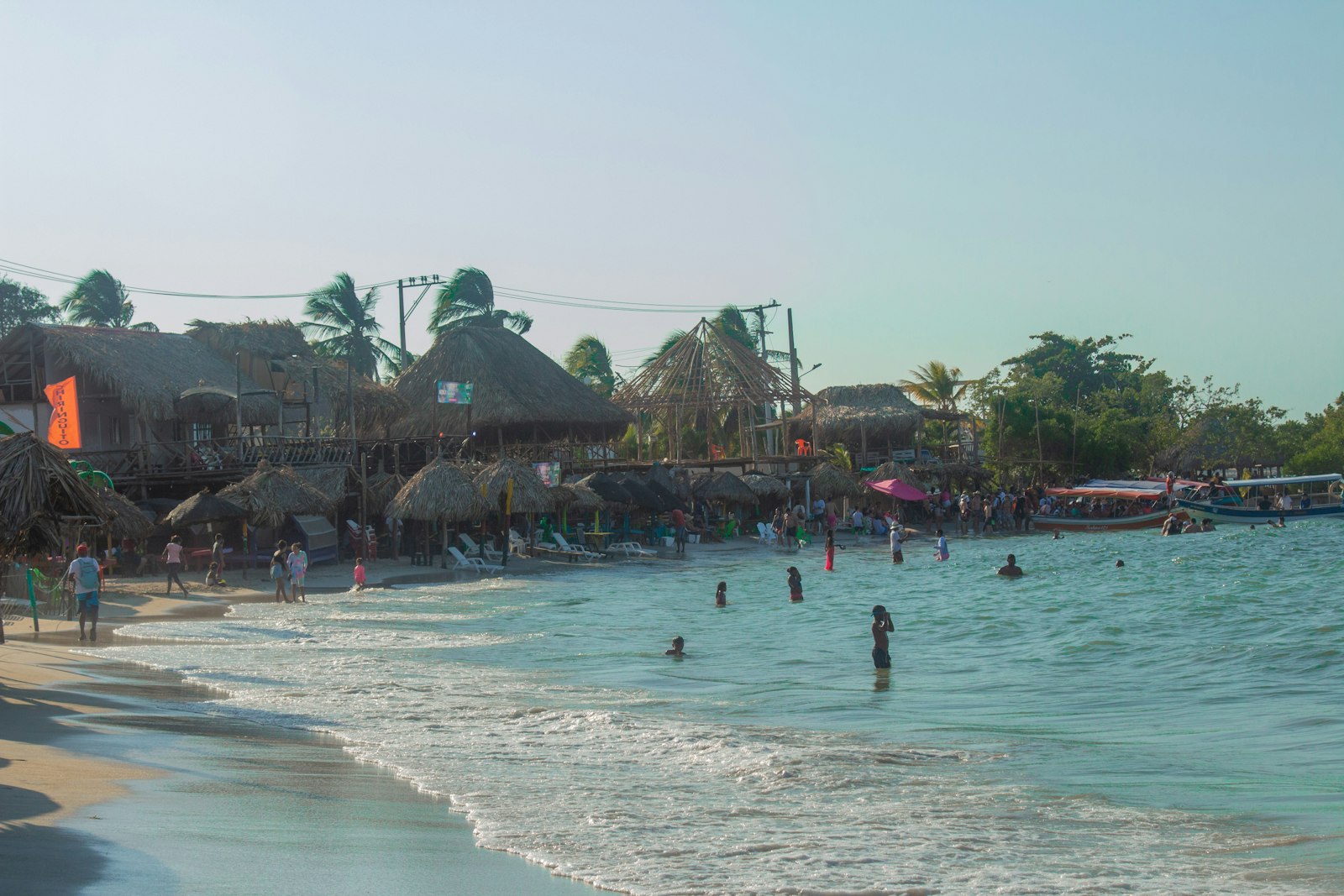
No. Getsemaní faces the Bahía de las Ánimas, a harbor with no swimming area. The nearest beaches are Marbella and El Cabrero, north of the walls (about 5 minutes by taxi), with no tourist facilities, and Bocagrande and El Laguito, about 10 minutes by taxi, with tents and lifeguards. For crystal-clear water, head to the Rosario Islands or Barú, or check our guide to Cartagena’s best beach clubs.
Is Getsemaní safe? What should I watch out for?
Yes, with precautions. It’s one of the busiest and most heavily policed parts of the city, and most visitors enjoy it without problems. The real risk is opportunistic theft: in 2026 local media reported several gold-chain snatchings from tourists, including one on Calle Larga in July. Keep these points in mind:
- Jewelry and phones: don’t wear visible chains and never leave your phone on a terrace table.
- At night: stick to the Plaza de la Trinidad, Calle de la Media Luna, Calle del Guerrero and Calle del Arsenal; avoid empty alleys and don’t linger in Parque del Centenario.
- Street offers: you’ll be offered drugs; they’re illegal in Colombia and the fastest way into trouble. A polite “no, gracias” is enough.
- Overcharging: ask for a priced menu before ordering. If you’re overcharged, report it to Titán Chat, the city’s 24-hour WhatsApp line, at +57 304 251 1127. Emergencies: 123.
- Taxis: there are no meters; agree on the fare before getting in, based on the official zone chart.
- Dating apps: meet only in busy public places and never leave your drink unattended.
- Heat and rain: October is usually the rainiest month; walk early or late in the day and carry a compact umbrella.
- Respect: people live here. Ask before photographing residents and keep it down when heading home at night.
Keep exploring with our complete guide to Cartagena’s walled city and our guide to traditional sweets at the Portal de los Dulces, just across the Clock Tower.
Getsemaní FAQ
Where is Getsemaní?
Right across from the Clock Tower, southeast of the walled city, separated from it by Parque del Centenario and the Camellón de los Mártires. It’s a 3–5 minute walk.
Is Getsemaní a safe place to stay?
Yes, it’s a very popular base. Choose busy streets such as Media Luna or the blocks around Plaza de la Trinidad, avoid visible jewelry and take a taxi if you’re out very late.
How much time do I need in Getsemaní?
Half a day covers the plaza, the church and the murals. Add an evening for dinner and the buzz of Plaza de la Trinidad.
Where is the street art in Getsemaní?
Mainly on Calle de la Sierpe, Callejón Angosto, Calle San Juan and around Plaza de la Trinidad. It’s free to see.
Is there a beach in Getsemaní?
No. The closest are Marbella and El Cabrero, about 5 minutes by taxi, and Bocagrande, about 10 minutes away.
Why is Getsemaní important in Cartagena’s history?
On November 11, 1811, the Getsemaní Lancers led by Pedro Romero pressed Cartagena’s ruling Junta until it declared absolute independence from Spain.
What is the best restaurant in Getsemaní?
By international recognition, Celele: No. 5 on Latin America’s 50 Best Restaurants 2025. For something casual, try the coastal cooking at La Casa de Socorro.
Sources
- El Universal: Getsemaní neighborhood life declared intangible heritage (07/03/2026)
- Frommer’s: Getsemaní
- Cartagena Tours: history of Getsemaní
- Exoticca: the walled city and Getsemaní
- El Universal: origin of Tripita y Media
- Nomado Travel: Church of the Santísima Trinidad and Getsemaní street art
- Semana: Parque Centenario reopens
- Caribbean Journal: Four Seasons Cartagena opens (04/2026)
- The World’s 50 Best Restaurants: Celele
- Frommer’s: La Casa de Socorro
- SalsaVida: live salsa nights at Café Havana
- GuruWalk: free Getsemaní walking tour
- El Universal: chain snatching on Calle Larga (07/2026)
- El Universal: 2026 taxi fares
Main image: decorated façade in Getsemaní. Photo: Ariel Foletto / Pexels (Pexels License).


