


Last updated: October 3, 2026
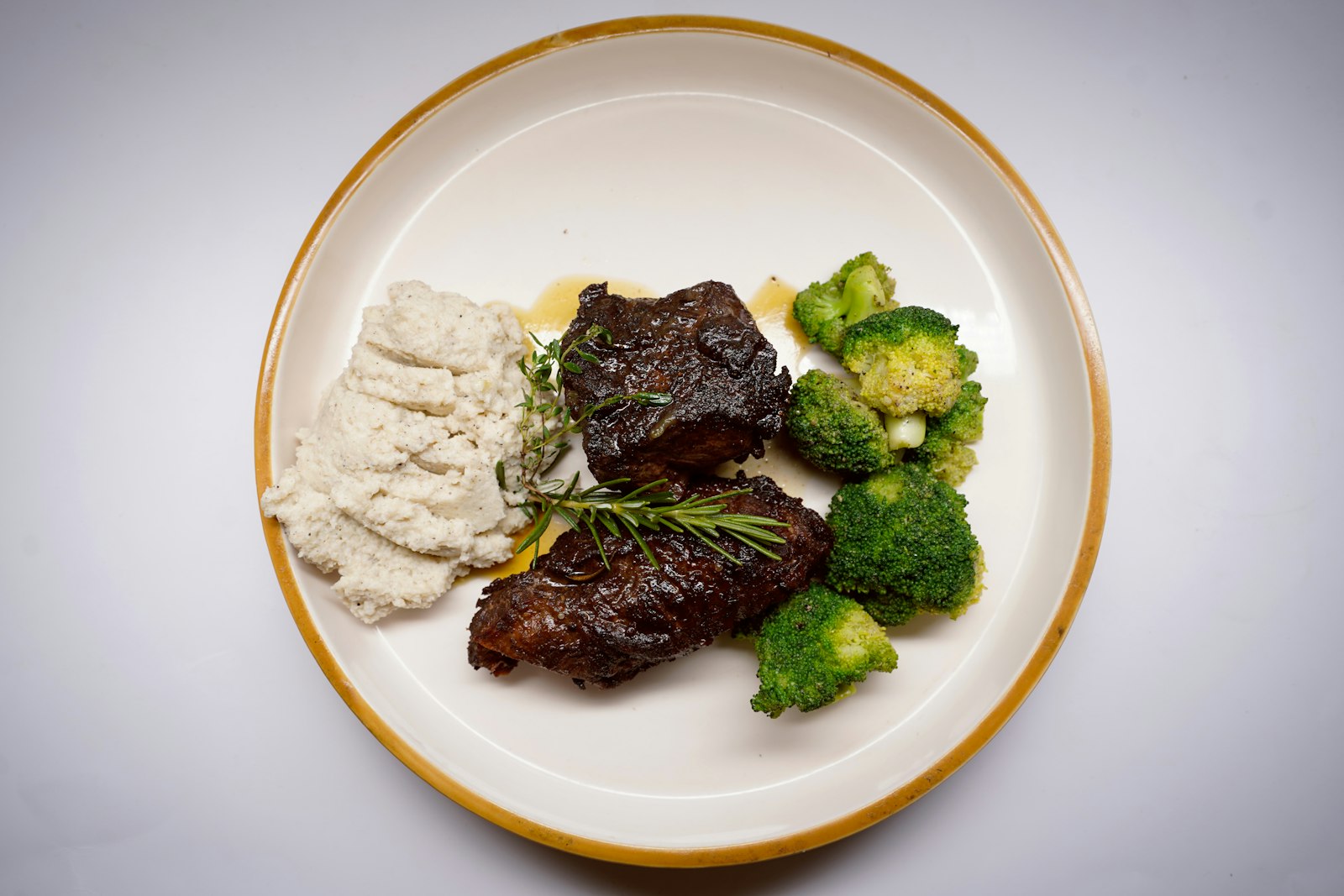
Posta negra cartagenera is Cartagena’s signature beef dish: a whole cut of beef (traditionally tri-tip/sirloin tip) marinated and slow-cooked in a dark sauce of panela cane sugar and spices, served with coconut rice and plantain. In the Walled City you can order it at Candé, La Mulata or San Pascual Baylón, and a short walk away at La Cocina de Pepina.
Quick facts
- What it is: slow-braised beef in a panela sauce, sweet-savory and lightly spiced.
- Where: San Diego and Plaza de Santo Domingo (Walled City) and Getsemaní, about a 10-minute walk away.
- Getting there: take a taxi to the Clock Tower, then walk; the walled city is best explored on foot.
- Best time: lunch (12:00-3:00 pm), when traditional kitchens shine and you will want a shaded table.
- Approximate budget: traditional mains from about COP 28,000-38,000 (≈ USD 9-12) at casual spots to COP 38,000-62,000 (≈ USD 12-19) or more at tablecloth restaurants.
- Time needed: 1-1.5 hours for an unhurried lunch.
Prices from Mochileando por el Mundo (February 2025) and The Cartagena Guide (2026); they may have changed. Converted at roughly COP 3,200 per USD (September-October 2026).
What is posta negra cartagenera?
It is beef, usually a whole piece of punta de anca (sirloin tip), marinated for hours, seared until well browned and then simmered slowly with panela until the sauce reduces into a dark, shiny glaze. That color gives the dish its name (“black posta”). The result is fork-tender meat and a sauce that sits between sweet and savory, with warm spice notes.
Local newspaper El Universal includes it in its 2026 list of must-try dishes and calls it the most emblematic flavor of La Heroica, as locals nickname the city. For Cartageneros it is not everyday food: it is Sunday lunch, family-gathering and New Year’s Eve food.
Where does it come from, and why is it so Cartagena?
Its exact origin is not documented, but sources agree that it was born from colonial Cartagena’s melting pot, the great port where Spanish, Indigenous and African cooking blended from the 16th century onward. Both Culture Trip and Infobae tie it to that fusion and to the region’s colonial traditions.
For a long time it was a special-occasion dish: beef was expensive and the cooking takes hours. That is why it still shows up at celebrations and New Year dinners, while in restaurants it has become the dish visitors look for to taste something truly local.
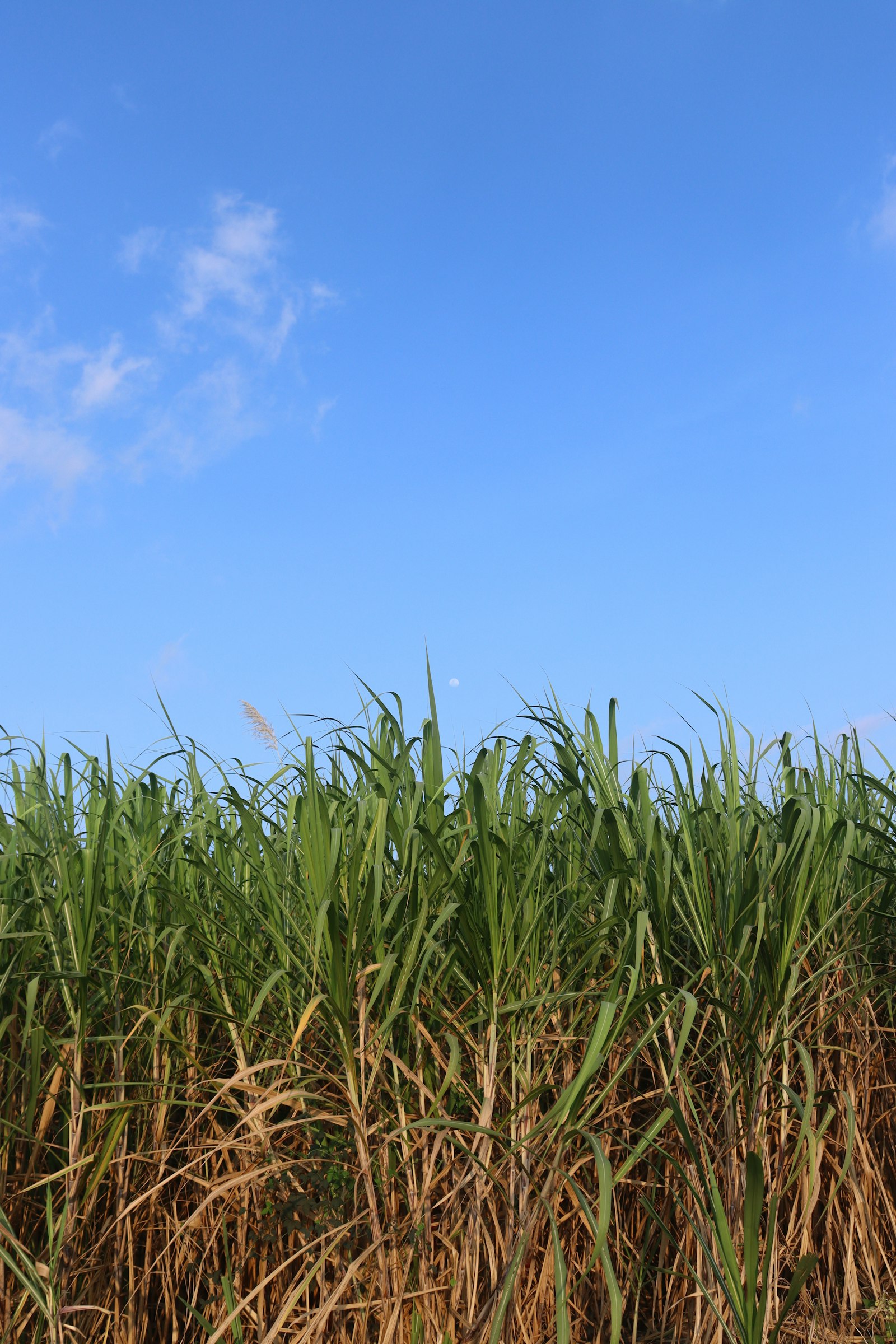
Every family has its own recipe. Besides panela, you will find versions with Worcestershire sauce, soy sauce, Coca-Cola, red wine or spices such as cinnamon, cloves and allspice. None is the “official” one; what cannot be missing is the dark color and the sweet-savory balance.
How is it made and what is it served with?
Broadly, this is the method followed by the recipes published by El Espectador and Infobae:
- Marinate the beef with garlic, onion, salt, pepper and other seasonings, from 2 hours to overnight.
- Sear it in a hot pot until deeply browned on all sides.
- Add panela (or brown sugar) with the other liquids and let it caramelize.
- Cover and cook over low heat for about an hour, or until tender.
- Reduce the sauce until thick and glossy, then serve the beef sliced and coated in it.
Coconut rice
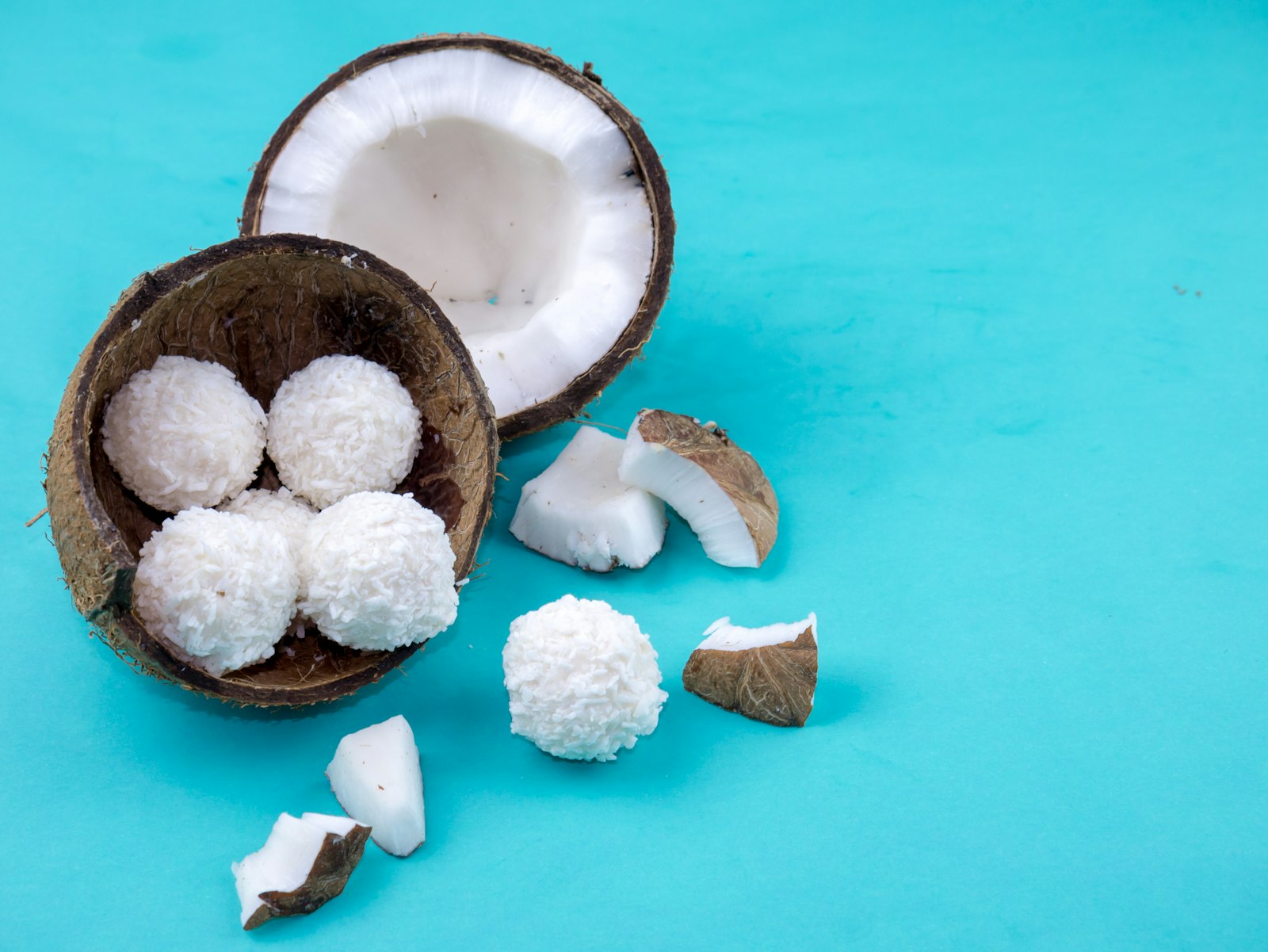
The classic side. On the coast it is cooked with coconut milk and often with the toasted, caramelized coconut bits that turn it light brown and slightly sweet. Some kitchens add raisins.
Plantain: sweet slices or patacones
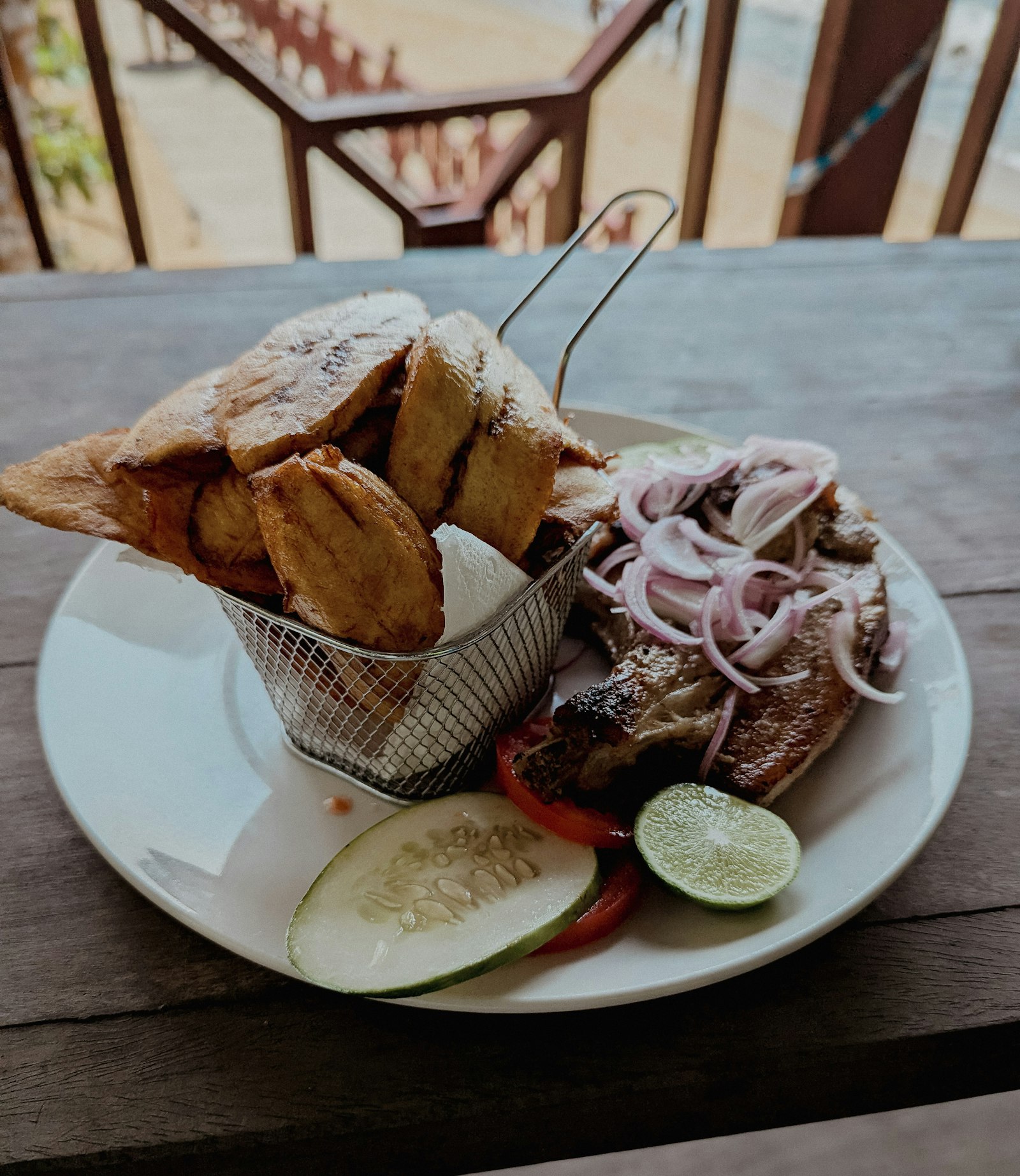
Depending on the restaurant, it comes with fried ripe plantain slices (tajadas) or patacones (green plantain, fried and smashed). A fresh salad or a few slices of avocado usually complete the plate and balance the sweet sauce.
What to drink with posta
A limonada de coco (coconut lemonade) or a fresh fruit juice is the local choice. If you prefer wine, Candé restaurant has recommended a Malbec Reserva, whose medium tannins balance the sweet notes of the sauce, according to El Universal and La República.
Where to eat posta negra in Cartagena’s Walled City
These four places list posta on their menus and get good marks from travelers and locals. Ratings and rankings are from TripAdvisor and Google (via Wanderlog), checked on October 3, 2026; they change often.
1. Candé (San Diego): Cartagena cooking with live music
It bills itself as a 100% Cartagena-food restaurant and pairs dinner with music and dances that evoke the colonial era. Posta cartagenera is on the menu, and the house has recommended a wine pairing for it. Rated 4.6/5 on TripAdvisor from 4,882 reviews (#56 of 1,193 Cartagena restaurants). Price range: $$-$$$.
- Address: Calle de la Serrezuela, Cra. 10 #39-02, San Diego.
- Hours (per TripAdvisor): daily from 7:00 am; closes between 10:00 pm (Sunday) and 11:30 pm (Thursday-Saturday).
- Bookings: +57 311 697 8835; strongly recommended for dinner.
- See photos of the place: restaurantecande.com
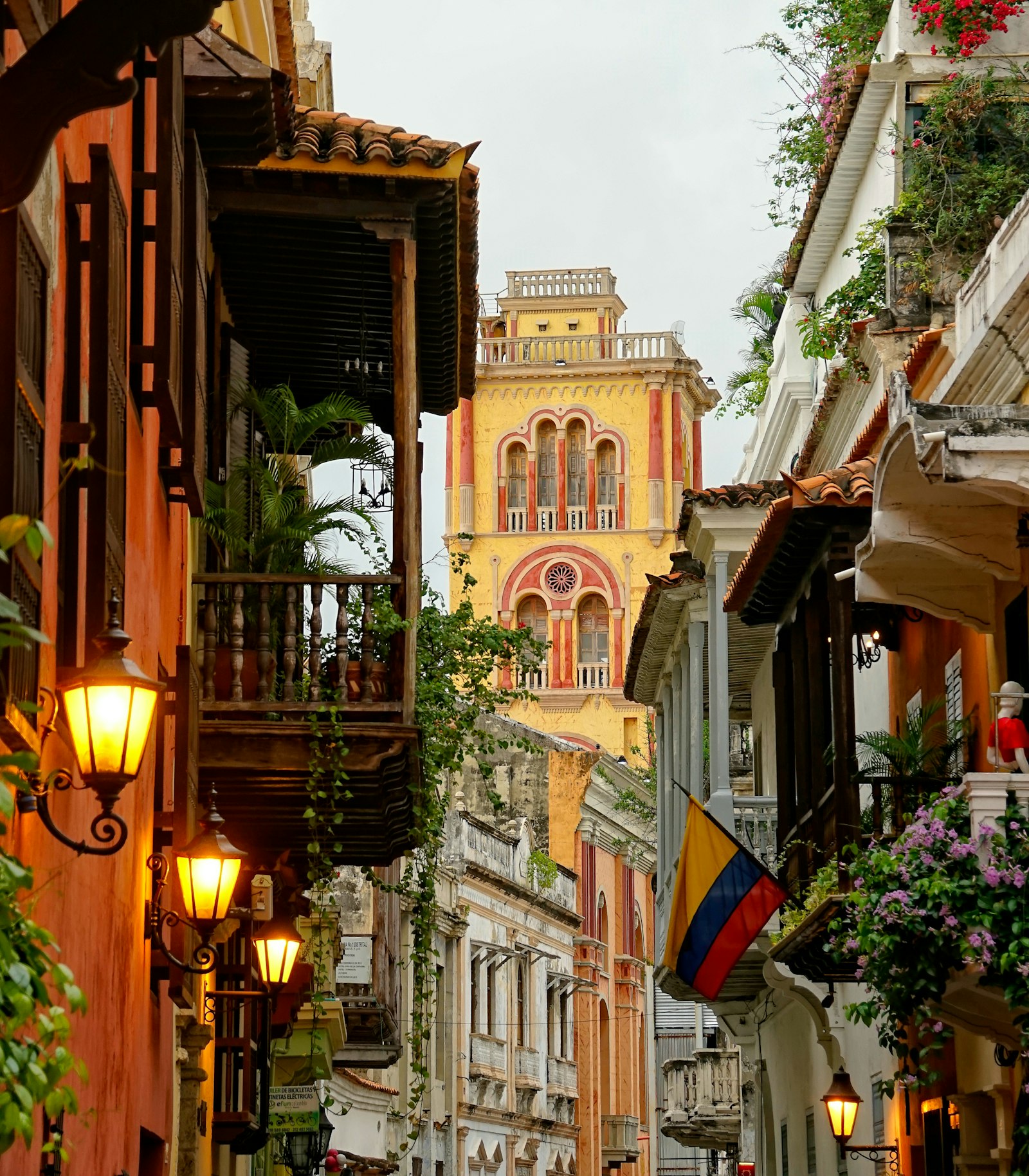
2. La Mulata (San Diego): unpretentious Caribbean cooking
A neighborhood restaurant near Plaza Fernández de Madrid, popular with tourists and locals alike. Reviews praise its ceviche and posta negra, and Terra highlights the balance of the sauce. Rated 4.6/5 on Google (6,850 reviews) and 4.5/5 on TripAdvisor (4,052). Mains cost COP 28,000-38,000 (≈ USD 9-12) as of February 2025.
- Address: Calle del Quero #9-58, San Diego.
- Hours (per Wanderlog): Tuesday-Saturday 12:00-10:00 pm, Sunday 12:00-6:00 pm; closed Monday.
- Tip: arrive early for lunch; it fills up.
- See photos of the place: Instagram @restaurantelamulata
3. San Pascual Baylón (Plaza de Santo Domingo): posta with a plaza view
With tables on Plaza de Santo Domingo and live music, it combines the plaza atmosphere with generous coastal cooking. Terra recommends it for posta so tender it falls apart, served with coconut rice and patacones. Rated 4.9/5 on TripAdvisor from 211 reviews (#25 of 1,187).
- Address: Calle de Santo Domingo #33-41 (per TripAdvisor), facing the plaza.
- Hours (per TripAdvisor): daily from 11:30 am; closes 11:00 pm Sunday-Wednesday and midnight Thursday-Saturday.
- Phone: +57 315 988 3201.
- See photos of the place: official menu and website
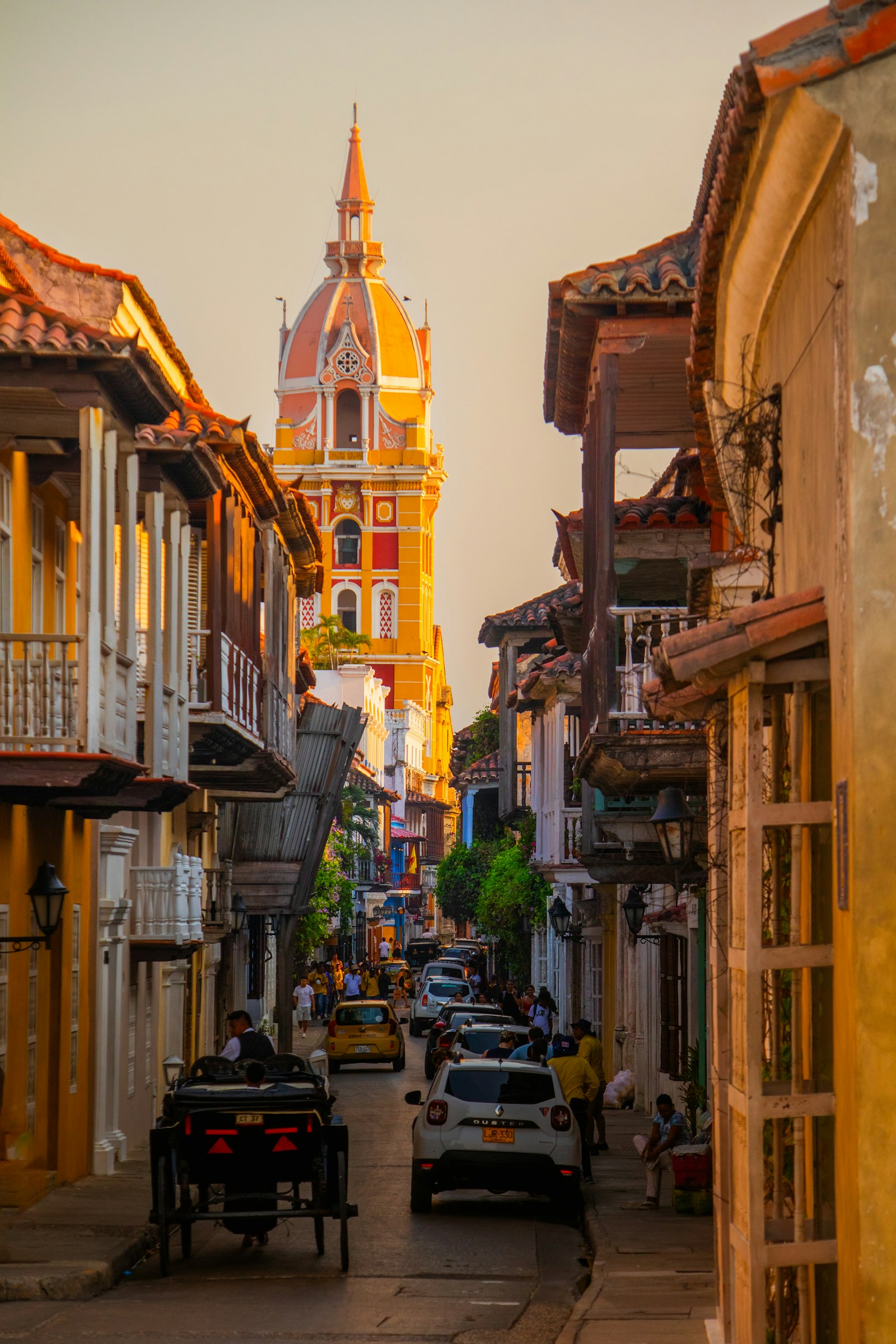
4. La Cocina de Pepina (Getsemaní, a 10-minute walk)
A small, seven-or-eight-table spot founded by cook María Josefina Yances to keep Caribbean home recipes alive. Posta cartagenera is one of the most praised dishes in its reviews. Rated 4.5/5 on TripAdvisor from 1,475 reviews (#126 of 1,192). Mains COP 38,000-62,000 (≈ USD 12-19) per The Cartagena Guide (2026).
- Address: Callejón Vargas, Calle 25 #9A-06, local 2, Getsemaní.
- Hours (per TripAdvisor): lunch daily 12:00-4:00 pm and dinner Tuesday-Saturday 7:00-9:30 pm. Other guides say it closes on Sunday, so check before going.
- Phone: +57 300 856 5189. Book for dinner.
- See photos of the place: TripAdvisor listing
| Restaurant | Area | Style | Price | Why go |
|---|---|---|---|---|
| Candé | San Diego | Cartagena cuisine with a show | $$-$$$ | Full experience with music and wine pairing |
| La Mulata | San Diego | Casual Caribbean | COP 28,000-38,000 (2025) | Great value |
| San Pascual Baylón | Plaza de Santo Domingo | Coastal, with terrace | Moderate | Dining on the plaza with music |
| La Cocina de Pepina | Getsemaní | Traditional home cooking | COP 38,000-62,000 (2026) | Family recipes, intimate setting |
Looking for more options? See our guide to where to eat in Cartagena’s Old Town, our best restaurants in Getsemaní and our list of must-taste dishes in Cartagena.
How much does it cost, and how do you order without surprises?
- Check the menu before you sit down: Walled City prices vary widely between a neighborhood spot and a tablecloth restaurant.
- Ignore street touts: some people steer tourists to restaurants for a commission. Choose the place yourself.
- Tipping: many restaurants add a suggested voluntary service charge (usually 10%) to the bill. You can ask for it to be removed if you are not satisfied.
- It’s sweet: if you don’t like sweet-savory flavors, ask for the sauce on the side or share a plate to try it.
- Heat: at midday, choose an air-conditioned or shaded dining room and drink water.
- Cash and cards: the restaurants on this list are formal businesses, but carry some cash for tips and street vendors.
How to fit it into an Walled City walk
A good plan is posta for lunch in San Diego after exploring the neighborhood (see our San Diego neighborhood guide), or at Santo Domingo as a break on our route through the walled city’s landmark streets. First time in town? Start with our complete walled city guide. For dessert, grab a cocada at the Portal de los Dulces next to the Clock Tower, and wash it all down with one of the best drinks in Cartagena.
Posta negra cartagenera: frequently asked questions
What is posta negra cartagenera?
It is a traditional Cartagena dish: beef, usually sirloin tip (punta de anca), marinated and slow-cooked in a dark sauce of panela cane sugar and spices. It is served sliced with coconut rice and fried plantain.
Where can I eat posta cartagenera in the Walled City?
Candé and La Mulata in the San Diego neighborhood, and San Pascual Baylón on Plaza de Santo Domingo, have it on their menus. About a 10-minute walk away in Getsemaní is La Cocina de Pepina.
How much does posta cartagenera cost at a restaurant?
It depends on the place. As a reference, mains at La Mulata cost COP 28,000-38,000 (≈ USD 9-12) in 2025 and at La Cocina de Pepina COP 38,000-62,000 (≈ USD 12-19) in 2026. Check the menu before ordering.
Why is posta “black”?
Because of the panela: as it caramelizes during slow cooking, along with ingredients like Worcestershire sauce or cola in some recipes, the sauce turns a very dark, glossy brown.
What cut of beef is used for posta?
Traditionally punta de anca (sirloin tip), a lean, tender cut from the rear of the animal. Some home cooks use other braising cuts.
What is posta negra served with?
Coconut rice, ripe plantain slices or patacones, and often salad or avocado. To drink, coconut lemonade or a fresh juice.
Is posta cartagenera sweet?
It is sweet-savory: panela adds sweetness, balanced by salt, onion, garlic and spices. If you don’t like sweet flavors, ask for the sauce on the side.
Sources
- El Universal – Gastronomía de Cartagena: 10 platos típicos (27/05/2026)
- El Universal – Cocina de barrio: recetas que pasan de generación en generación (31/03/2026)
- El Espectador – Así se prepara una posta negra o cartagenera
- Infobae – Así puede preparar una posta cartagenera (2024)
- Culture Trip – How Posta Negra Cartagenera Became Cartagena’s Favourite Dish
- Milk Street – Colombia’s Sweet, Spiced Posta Negra (2018)
- Terra – 5 mejores lugares para comer posta cartagenera (12/06/2026)
- El Universal – Restaurante Candé, cocina 100 % cartagenera (2021)
- La República – Cinco maridajes de Candé para platos cartageneros
- TripAdvisor – Restaurante Candé (checked 03/10/2026)
- TripAdvisor – San Pascual Baylón (checked 03/10/2026)
- TripAdvisor – La Cocina de Pepina (checked 03/10/2026)
- Wanderlog – La Mulata (checked 03/10/2026)
- The Cartagena Guide – Best Restaurants in Cartagena (2026)
- Mochileando por el Mundo – Dónde comer en Cartagena (updated 02/2025)
- Frommer’s – La Cocina de Pepina


