


San Diego, Cartagena: Walled City Neighborhood Guide
Last updated: September 29, 2026
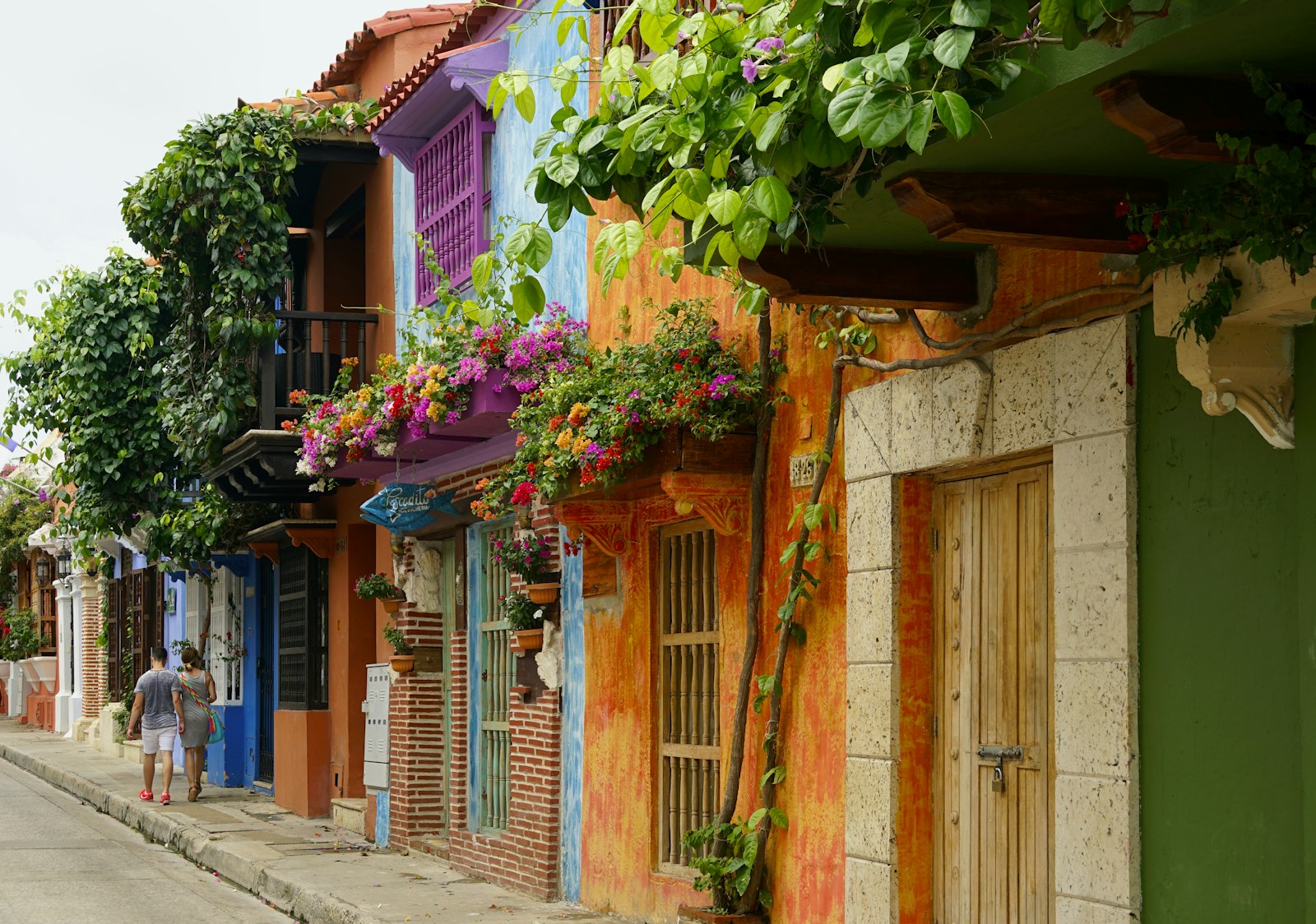
San Diego is the quietest, most bohemian quarter of Cartagena’s walled city — historically home to merchants and artisans. In two to three hours on foot you can see Plaza de San Diego, the former Santa Clara convent, Santo Toribio church, the Adolfo Mejía Theater and Las Bóvedas, then stay for dinner on one of its squares.
Quick facts
- Location: the northern half of the walled city, between the San Pedro sector (Cathedral and Plaza de Bolívar) and Las Bóvedas, next to the Santa Clara and Santa Catalina bastions.
- Getting there: a 10–15-minute walk from the Clock Tower; by taxi, ask to be dropped at Las Bóvedas or Plaza de San Diego.
- Best time: late afternoon and evening. From 4 p.m. the heat eases and the squares fill with tables, art students and musicians.
- Approximate budget: squares, walls and Las Bóvedas are free; guided visit to the Adolfo Mejía Theater COP 10,000 (≈ USD 2.50) at the last published rate; main course on the plaza COP 45,000–70,000 (≈ USD 11–18).
- Time needed: 2–3 hours of wandering, plus dinner.
What makes the San Diego neighborhood special?
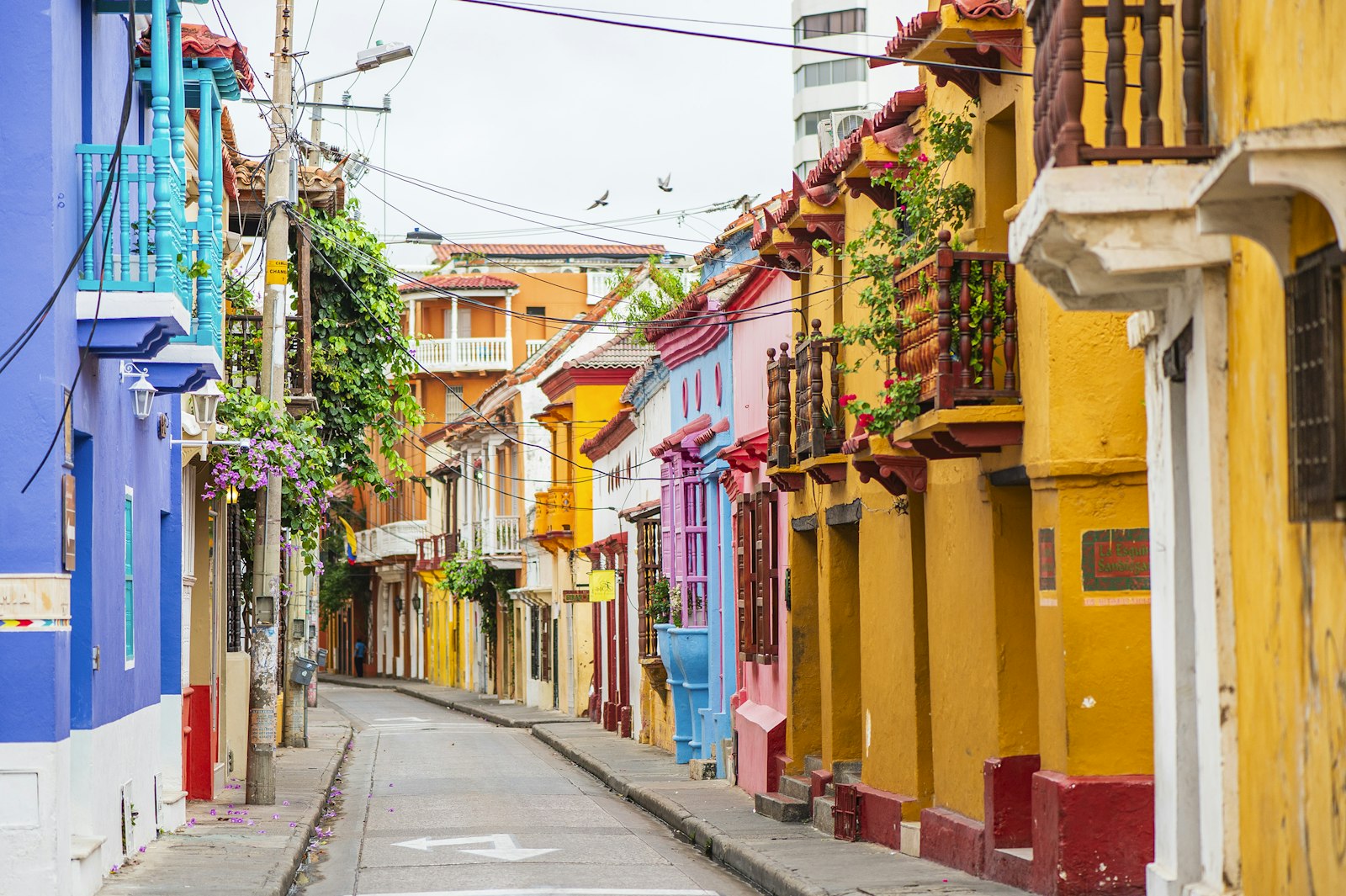
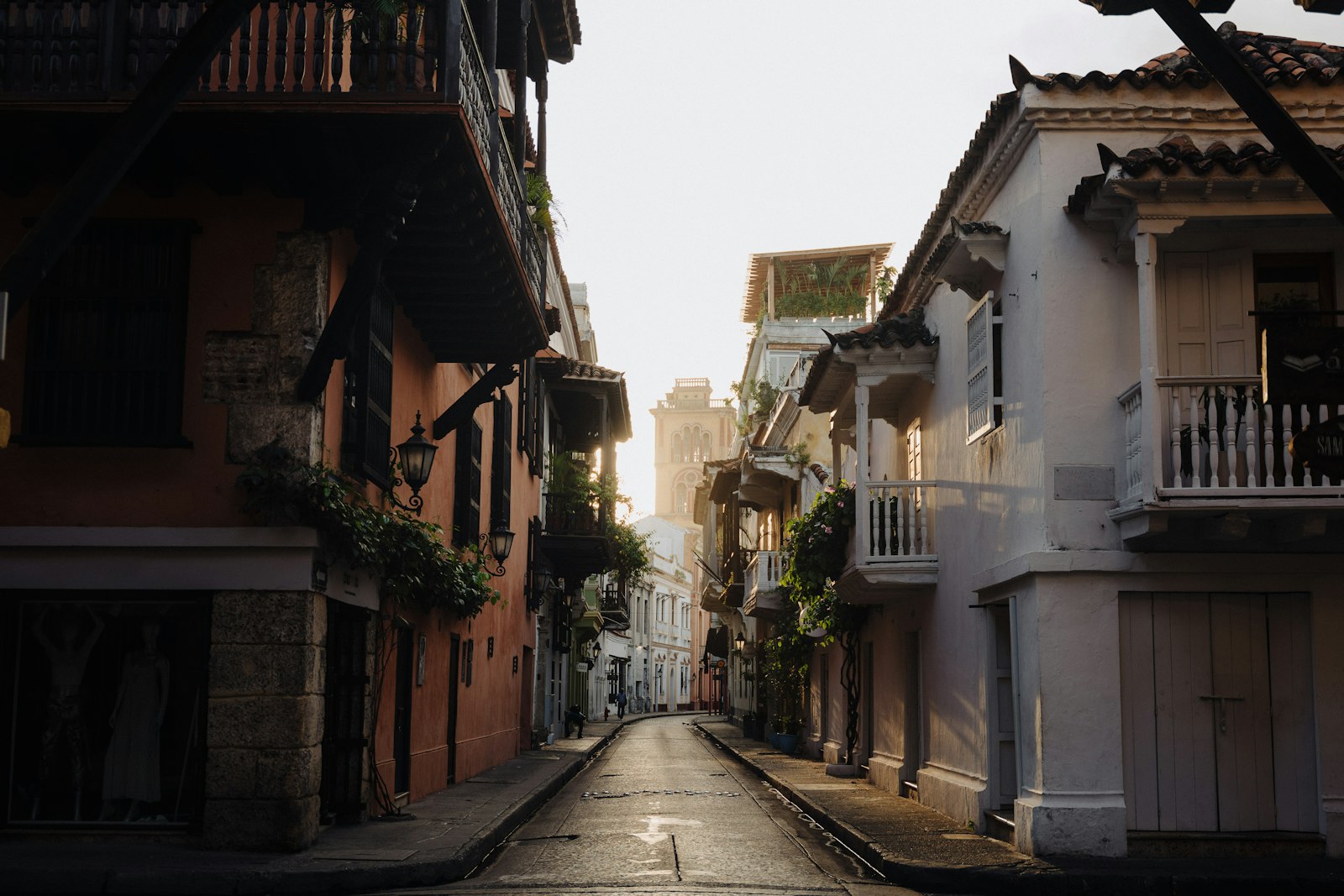
If San Pedro is postcard Cartagena — the Cathedral, the big plazas, the horse-drawn carriages — San Diego is the Cartagena you want to stay in. Streets are more residential, there are fewer hawkers and more neighbors sitting on their doorsteps at dusk. Here you’ll find a luxury hotel inside a 17th-century convent, an arts school that fills the square with rehearsals and impromptu concerts, the house where Gabriel García Márquez lived, and some of the city’s most sought-after restaurants.
For travelers, San Diego is the place to slow down: coffee on Plaza Fernández de Madrid, shopping at Las Bóvedas, sunset from the walls and a long dinner under the trees of Plaza de San Diego.
What is the history of San Diego?
When UNESCO listed Cartagena as a World Heritage Site in 1984, it described three historic districts: San Pedro, for the elite and the authorities; Getsemaní, for working people; and San Diego, home to middle-class merchants and artisans. The neighborhood takes its name from the old Franciscan convent of San Diego on the square of the same name.
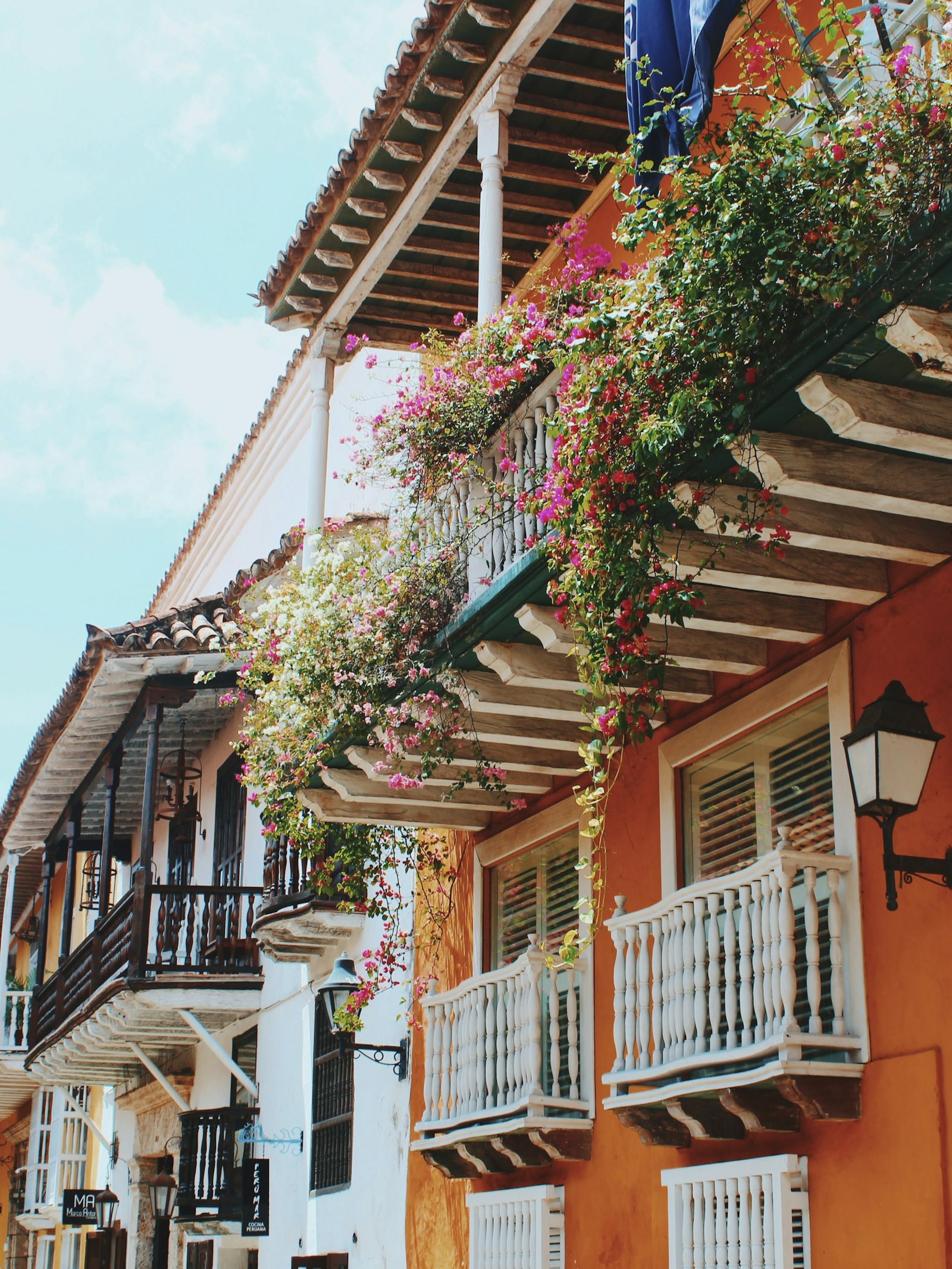
Two convents shaped its story. Santa Clara, founded in 1621 on land donated by Doña Catalina de Cabrera and built by master builder Simón González, housed the Poor Clares until 1861; it then became a charity hospital, a medical school and a prison, and opened as a hotel in 1998. The San Diego convent, on the east side of the plaza, is now home to Bellas Artes (Unibac), heir to the fine-arts school founded in Cartagena in 1889.
What to see in San Diego?
Plaza de San Diego
The heart of the neighborhood. On one side stands the former Santa Clara convent; on the other, Bellas Artes, where students stream out with instruments — and often music. At night restaurant tables take over the square, and spontaneous performances are common.
Former Santa Clara Convent (Sofitel Legend Santa Clara)
Now a luxury hotel that preserves the original cloister, thick walls and vaults. In 1949 a young García Márquez, then a reporter, witnessed the opening of a crypt here that later inspired his novel Of Love and Other Demons (1994). The crypt can be seen through a glass panel beneath El Coro bar — having a drink there is the easiest way in if you’re not a guest.
Las Bóvedas
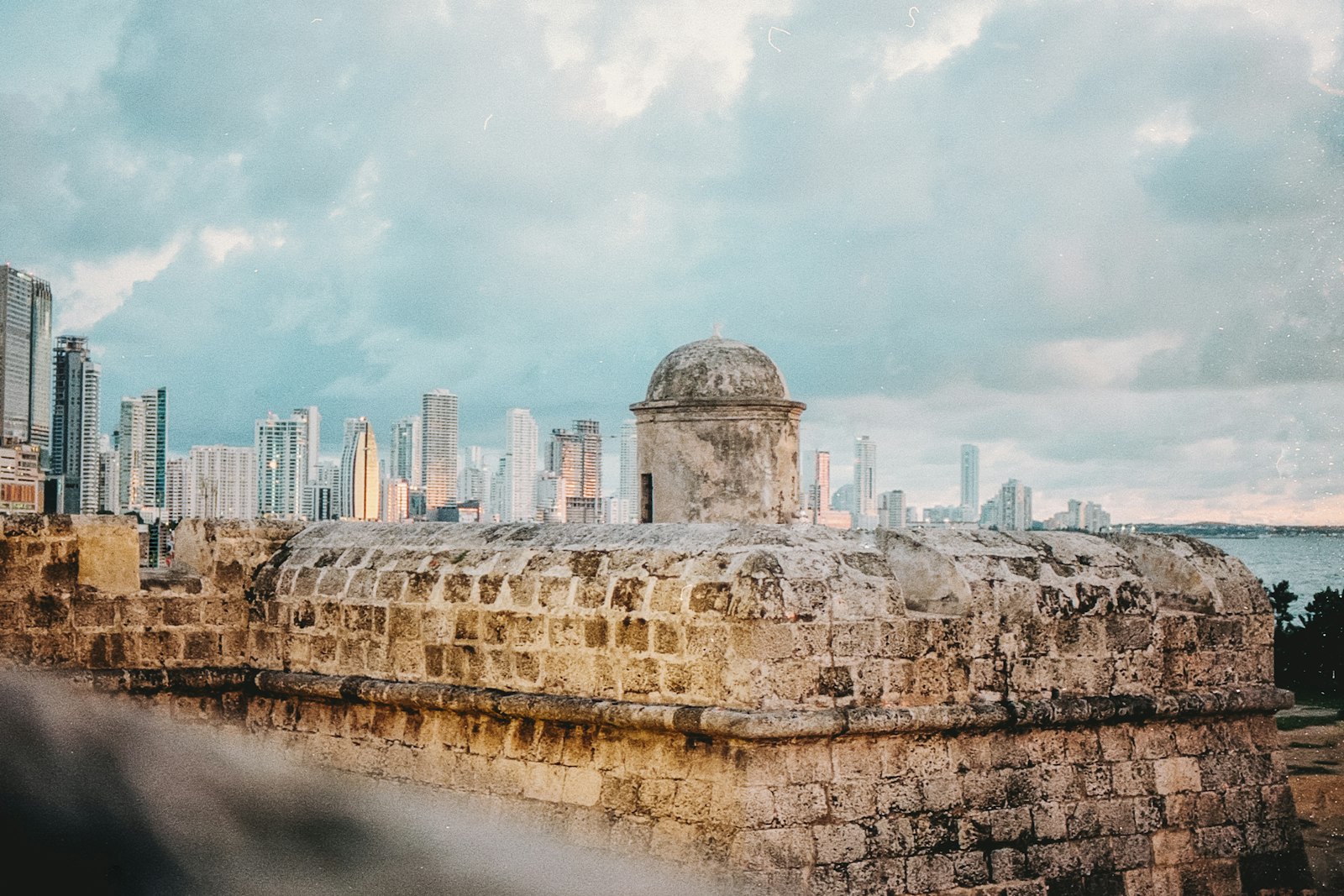
Between the Santa Clara and Santa Catalina bastions stand 23 bombproof vaults with 47 arches, built between 1789 and 1795 to a design by engineer Antonio de Arévalo; the porticoes were finished in 1798. They served as military storerooms and, during the 19th-century civil wars, as cells that flooded at high tide. Today they’re shops selling crafts, mochila bags, hats and souvenirs — compare prices before buying.
Santo Toribio Church
On Plaza Fernández de Madrid, this church was built between 1666 and 1732. During Admiral Vernon’s 1741 attack a cannonball smashed a window during Mass without hurting anyone; it’s kept in a display case. Inside, look for the Mudéjar-style coffered ceiling and the black-lacquer and gold-leaf altar.
Adolfo Mejía Theater (Teatro Heredia)
On Plaza de la Merced, it opened in 1911 to mark the independence centenary, built over the ruins of the old La Merced church. Its ceiling features Enrique Grau’s fresco The Triumph of the Muses, and it hosts concerts, films and the Hay Festival. Guided tours run only at scheduled times, so check the program. Next door, the Claustro de La Merced holds García Márquez’s ashes.
La Serrezuela
The old Circo Teatro, opened in 1930 for bullfights, opera and cinema, was declared a National Monument in 1995. Its restored wooden structure is now the centerpiece of a shopping and dining complex with stores, restaurants and cultural events — a shady refuge during the hottest hours.
| Place | What it is | Admission |
|---|---|---|
| Plaza de San Diego | Neighborhood square, Bellas Artes, restaurants | Free |
| Former Santa Clara Convent | Hotel in a 1621 convent, visible crypt | Order a drink at the bar |
| Las Bóvedas | 23 military vaults, now shops | Free |
| Santo Toribio Church | 1666–1732 church with the 1741 cannonball | Free during services |
| Adolfo Mejía Theater | 1911 theater, Grau fresco | Guided tour COP 10,000 (confirm) |
| La Serrezuela | 1930 Circo Teatro, now a mall | Free |
What are San Diego’s main streets and squares?
- Plaza de San Diego: the neighborhood’s meeting point.
- Plaza Fernández de Madrid: leafy, with Santo Toribio church and revamped terraces.
- Plaza de la Merced: with the Adolfo Mejía Theater and the Claustro de La Merced.
- Calle Tumbamuertos: it runs into Plaza de San Diego, and its name (“Corpse-Toppler Street”) is one of the Old Town’s quirkiest.
- Calle del Curato: home to García Márquez’s house, donated by his sons to the Gabo Foundation. It’s private: view it from outside.
- Calle de la Serrezuela: the street of the old Circo Teatro.
What are the best things to do in San Diego?
- Watch the sunset from the walls: climb up next to Las Bóvedas or at the Santa Catalina bastion; the sun sets over the sea.
- Shop for crafts: Las Bóvedas gathers Wayuu mochilas, sombreros vueltiaos, hammocks and souvenirs.
- Have a drink at El Coro in the former convent and see the García Márquez crypt.
- Follow García Márquez: Claustro de La Merced, the Calle del Curato house and the Santa Clara convent are all within a 15-minute walk.
- Catch a concert or show at the Adolfo Mejía Theater (check the listings).
- Dine on a square: San Diego and Fernández de Madrid have lively terraces until late. Not sure what to order? See our guide to must-taste dishes in Cartagena.
Where to eat in San Diego, Cartagena?
For a citywide list, see our best restaurants in Cartagena. Within San Diego, these are reliable picks:
| Restaurant | Cuisine | Price | Where | Why go |
|---|---|---|---|---|
| El Boliche Cebichería | Ceviche and seafood | $$$ | San Diego | Tiny spot, ceviches with tamarind or coconut |
| Candé | 100% Cartagena cooking | $$$ | Near La Serrezuela | Traditional Colombian Caribbean food |
| Juan del Mar | Seafood and local dishes with Italian touches | $$$ | Plaza de San Diego | Terrace on the square; mains COP 45,000–70,000 |
| La Serrezuela | Several restaurants and cafés | $$–$$$ | Calle de la Serrezuela | Variety under one roof in a monument |
El Boliche Cebichería
Few tables, lots of skill: ceviches with Caribbean flavors like tamarind and coconut, plus grilled octopus. Book — it fills up fast.
Candé
“100% Cartagena” cooking: posta negra, fish, seafood and Caribbean stews in an elegant dining room. One of the best ways to try local food, carefully done.
Juan del Mar
Right on Plaza de San Diego with outdoor tables. Seafood and Cartagena dishes with an Italian influence, plus a pizza-and-cocktails space with live music. Some specials top COP 100,000.
La Serrezuela
Handy for groups where everyone wants something different, or for an air-conditioned lunch. The lineup of venues changes often.
Is there a beach near San Diego?
Not in the neighborhood itself. On the other side of the wall, across Avenida Santander, the shoreline runs toward El Cabrero and Marbella, a local urban beach with strong waves — better for a stroll than a swim. For swimming, take a taxi to Bocagrande or El Laguito (a few minutes), or a boat to Barú or the Rosario Islands; our guide to Cartagena’s best beach clubs can help.
What should I watch out for in San Diego?
- Crossing Avenida Santander: traffic is fast; use the pedestrian crossings between the wall and the coast.
- Posted prices: a 2024 city decree requires prices in pesos with taxes included. Ask for the menu before sitting down at any terrace.
- Las Bóvedas: compare prices between shops and ask whether they take cards.
- At night: the squares are lively; on quieter streets keep your phone away and use a cross-body bag.
- Heat and rain: water, hat and sunscreen. October is usually the rainiest month: heavy but short downpours.
- Taxis: no meters; agree on the fare before getting in.
- Complaints: for overcharging, go to a Tourist Assistance Center or use the city’s “Titán Chat” channel.
San Diego, Cartagena FAQ
Is San Diego inside Cartagena’s walled city?
Yes. It covers the northern half of the walled city, between the San Pedro sector and Las Bóvedas.
Can I visit the Santa Clara convent without staying at the hotel?
The easiest way is to order a drink at El Coro bar, beneath which you can see the crypt that inspired Of Love and Other Demons.
How much does it cost to visit Las Bóvedas?
Nothing. It’s an open arcade of shops; you only pay for what you buy.
Where is García Márquez’s house in Cartagena?
On Calle del Curato in San Diego. It’s private property, donated by his sons to the Gabo Foundation, and can only be seen from outside.
Is San Diego safe at night?
Its squares stay busy until late. Take the usual precautions and avoid empty streets in the small hours.
Is there a beach in San Diego?
No. Marbella lies across from the wall but has strong waves; for swimming, Bocagrande or El Laguito are a few minutes away by taxi.
Sources
- UNESCO – Port, Fortresses and Group of Monuments, Cartagena
- Historic Hotels – Sofitel Legend Santa Clara history
- Wikipedia – Las Bóvedas
- Frommer’s – Adolfo Mejía Theater
- El Universal – 135 years of Bellas Artes (Spanish)
- El Universal – La Serrezuela (Spanish)
- El Tiempo – García Márquez’s house in Cartagena (Spanish)
- El País – Juan del Mar restaurant (Spanish)
- Portafolio – Anti-scam plan for tourists (Spanish)


