


The Rosario Islands have no colonial plazas or old churches: their landmarks sit along the boat route and under the water. Don’t miss the free Bocachica forts, a walk through Orika village and Isla Grande’s trails, a look at the ruined mansion linked to Escobar from the boat, and snorkeling over the sunken plane at Isla Naval.
Last updated: October 22, 2026. Hours and prices checked against the sources listed at the end; confirm them before you sail.
Quick facts
- Location: an archipelago about 35 km (22 miles) southwest of Cartagena, inside the Corales del Rosario y San Bernardo National Natural Park. The Bocachica forts are on Tierrabomba island, on the way.
- Getting there: by boat from Muelle La Bodeguita, next to the Clock Tower. Bocachica is 15-20 minutes away; the islands, 45-90 minutes.
- Best time: leave between 8:00 and 9:30 a.m.; the Bocachica forts are open daily from 8:00 a.m. to 5:00 p.m.
- Budget: Bocachica, about COP 25,000-30,000 round trip with port tax (US$8-9); a day on the islands, COP 185,000-325,000 (US$58-102) with taxes and park fee.
- Time needed: half a day for Bocachica and a full day for the islands; two days to enjoy both.
What landmarks are there in the Rosario Islands?
The archipelago is a marine national park, so its heritage looks nothing like the landmarks of Getsemaní or the Old Town. Here the highlights are Spanish fortifications guarding the bay, an Afro-Colombian village with a collective land title, buildings wrapped in legend, a hotel born from a painter’s home, and relics under the sea. This table sums up what you can see and how.
| Landmark | Type | Where | How to visit | Cost | Why go |
|---|---|---|---|---|---|
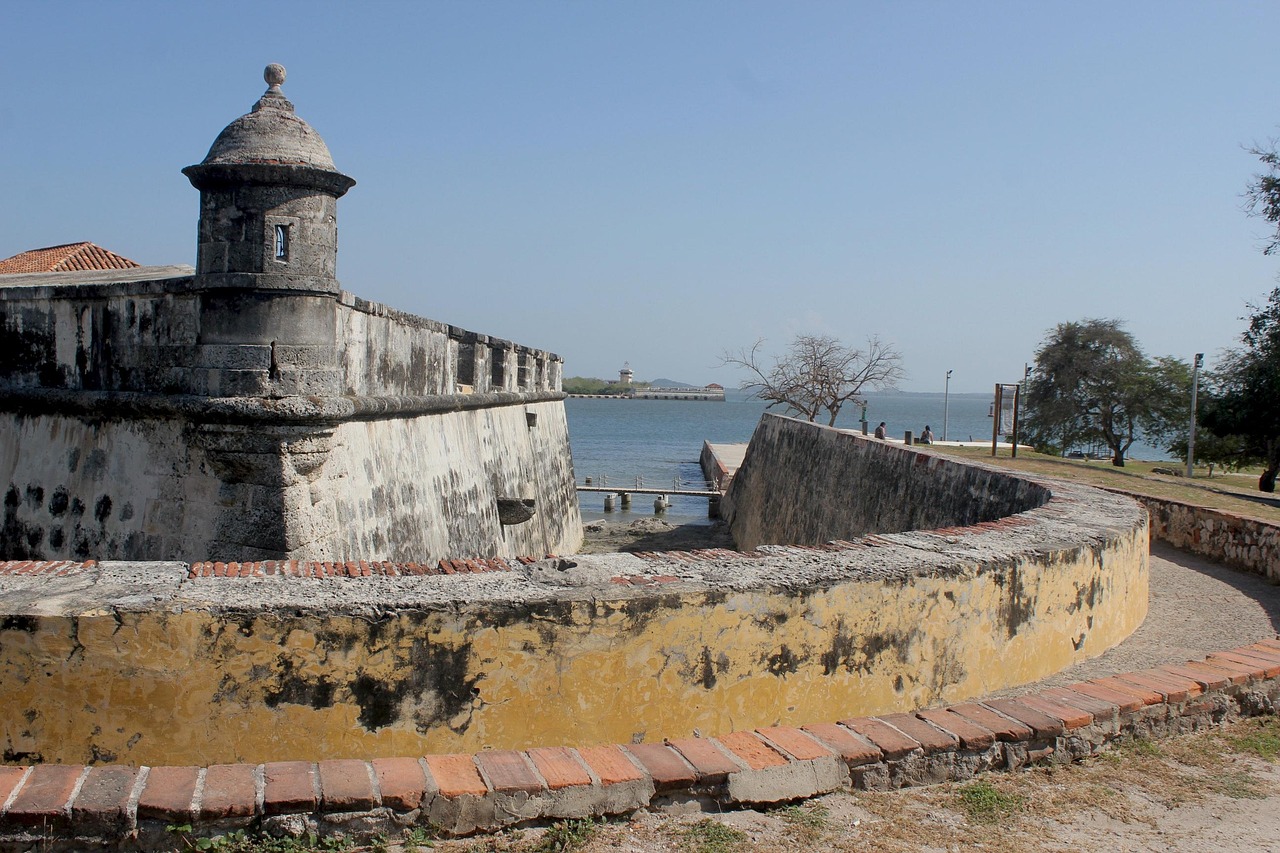
| Fuerte de San Fernando | 18th-century fort | Bocachica (Tierrabomba) | Short walk from the village dock | Free | Ramparts, vaults and channel views |
| Batería de San José | Coastal battery | Opposite San Fernando | From the boat or by private boat | Free entry; boat extra | Closes the Bocachica channel with San Fernando |
| Batería del Ángel San Rafael | Hilltop battery (1762) | Cerro del Horno, Tierrabomba | With a guide or private boat | Free entry | Underground gallery and views of the defenses |
| Orika | Afro-Colombian village | Isla Grande | On foot along trails | Free | Living history since 1851 |
| “Escobar mansion” | Ruin | Isla Grande | From the boat | No official ticket | Famous legend, ownership unproven |
| Sunken plane | Artificial reef | Isla Naval | Snorkeling on a tour or private boat | Included in tours | Visible from the surface |
| Oceanario | Conservation center | San Martín de Pajarales | Tour stop | COP 40,000 adult | Colombian Caribbean wildlife |
Which monuments will I see on the way from Cartagena?
Every boat to the islands leaves the bay through the Bocachica channel, between Tierrabomba island and Barú. After English admiral Edward Vernon’s attack wrecked the defenses in 1741, the Spanish Crown rebuilt this passage with a cluster of forts you can visit for free today. The Escuela Taller Cartagena de Indias, which manages them, says they open Monday to Sunday, 8:00 a.m. to 5:00 p.m., and entry has been free for Colombians and foreigners alike since 2017.
Fuerte de San Fernando de Bocachica
Engineer Antonio de Arévalo began building it on March 12, 1753, finished the first stage in 1759 and named it after King Ferdinand VI. In 1760 he added galleries, countermines and small mines to defend it from a land attack. During the independence wars it held several patriot leaders as prisoners, then fell into neglect. Today you can walk the courtyard, vaults and ramparts overlooking the channel, and part of the fort houses the Museo de Oficios (Museum of Trades), created by the Escuela Taller and ICANH with the Bocachica community.
Going on your own: shared boats to Bocachica leave from La Bodeguita; El Universal reported about COP 10,000 per leg plus a COP 5,000 tax in 2025. The fort is a few minutes’ walk from the village dock.
Batería de San José
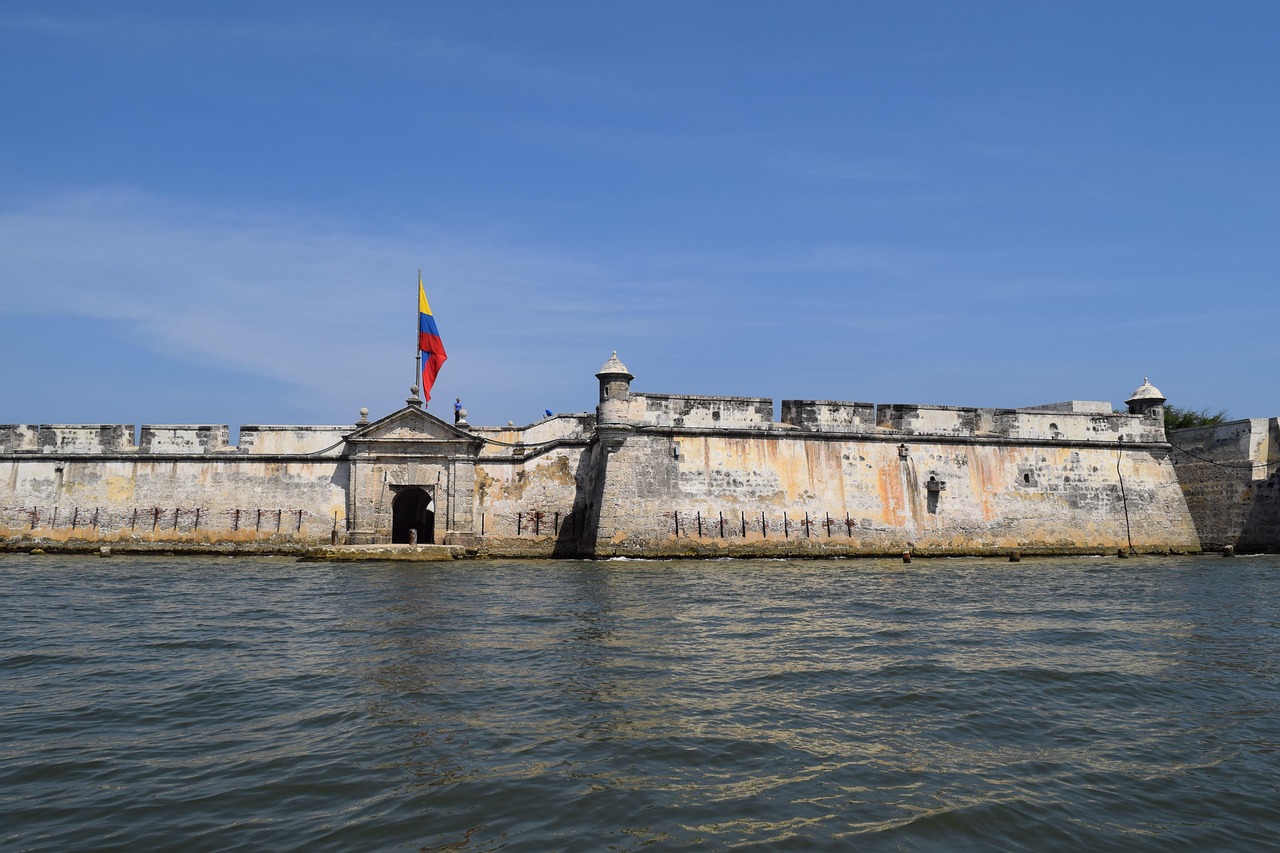
Across the channel from San Fernando stands the San José battery. Juan de Herrera built the first version between 1714 and 1725; Vernon destroyed it in 1741, and Arévalo completed it between 1759 and 1779, adding a breakwater that made it harder for ships to pass. It has seven blast-proof vaults plus the Punta Abanico (fourteen embrasures) and Varadero batteries. Tour boats sail right between the two forts: it’s the best photo of the ride.
Batería del Ángel San Rafael
Arévalo built it in 1762, during the war with England, on Cerro del Horno, to prevent a landing that could outflank Bocachica. It has a half-moon layout, a dry moat, a stronghouse, a sentry box, a cistern and an underground gallery linking it to the Santa Bárbara battery. It was restored in 1995. For San José and San Rafael, the travel blog Laidback Trip recommends hiring a private boat; ask at the Bocachica dock.
What history lies in the sea around the islands?
The San José galleon
On June 8, 1708, the Spanish galleon San José sank off the Barú peninsula while fighting Charles Wager’s English squadron, a clash known as the Battle of Barú. The Colombian Navy located it in 2015 at about 600 meters deep; its exact position is a state secret, and in 2024 it was declared a protected archaeological area. In November 2025 the first objects were raised (macuquina coins, Chinese porcelain cups and a bronze cannon), and they are still being conserved. You can’t visit it or see it from the surface, and as of today there’s no museum displaying those pieces, so be wary of any tour promising to “see the galleon.”
The sunken plane at Isla Naval
Between Isla Grande and Isleta, next to Isla Naval, a small plane lies in shallow water and can be made out from the surface with a mask. Guides call it “Pablo Escobar’s plane,” but Cartagena Explorer found no evidence of that: it was most likely placed there as an artificial reef for a marine biology study published in 1994. Many snorkeling tours stop here; a private boat lets you stay longer.
What buildings and places should I see on Isla Grande?
Orika, Isla Grande’s village
It’s the island’s only village, and its story is the archipelago’s most valuable monument. According to El Espectador, in 1851, as slavery was abolished, five freed people bought seven caballerías of land on Barú and chose to own it collectively. In 2012 Colombia’s Constitutional Court granted Orika the first collective title for an Afro-Colombian community on the country’s Caribbean islands. Today its community council represents about 300 families, has planted more than 4,000 red mangrove seedlings and offers educational snorkeling at coral nurseries. Walk its trails respectfully, buy local crafts and ask before photographing people.
The “Pablo Escobar mansion”
On Isla Grande there’s an abandoned, half-demolished compound, with remains of a pool, courtyards and what looks like a helipad, slowly being swallowed by vegetation. Tours point it out as Escobar’s house, but there’s no documentary proof he owned it: El Tiempo (2002) and El Espectador (2013) articles, cited by Cartagena Explorer, attribute it to Antonio Turbay and describe an unfinished hotel. View it from the boat; there’s no official ticket and the structures are crumbling.
Hotel San Pedro de Majagua
Isla Grande’s best-known hotel grew from the spot where French painter Pierre Daguet decided to settle in 1995. It keeps an island-style layout of cabins among huge rubber trees that Daguet tended in his final years, and has 17 rooms. You can visit on a day pass; see prices in our guide to where to eat in the Rosario Islands.
Laguna Encantada
It isn’t a building, but it is Isla Grande’s signature spot: an inland mangrove lagoon where bioluminescent plankton glows at night when you move the water. It’s best on a new moon and only possible if you stay overnight or book a night outing.
Is the Oceanario worth visiting?
Oceanario Islas del Rosario
It sits on San Martín de Pajarales island and describes itself as a conservation center: it has spent more than 30 years restocking threatened corals, turtles and fish, according to Las2orillas. El Universal (April 2026) counts more than 1,400 animals from some 140 Colombian Caribbean species, with shark feedings and dolphin shows. Entry is about COP 40,000 (US$12.60) for adults and COP 30,000 (US$9.40) for children aged 2 to 10, boat not included. It’s worth it with kids; if you’d rather not see captive animals, swap this stop for reef snorkeling.
What are the main streets?
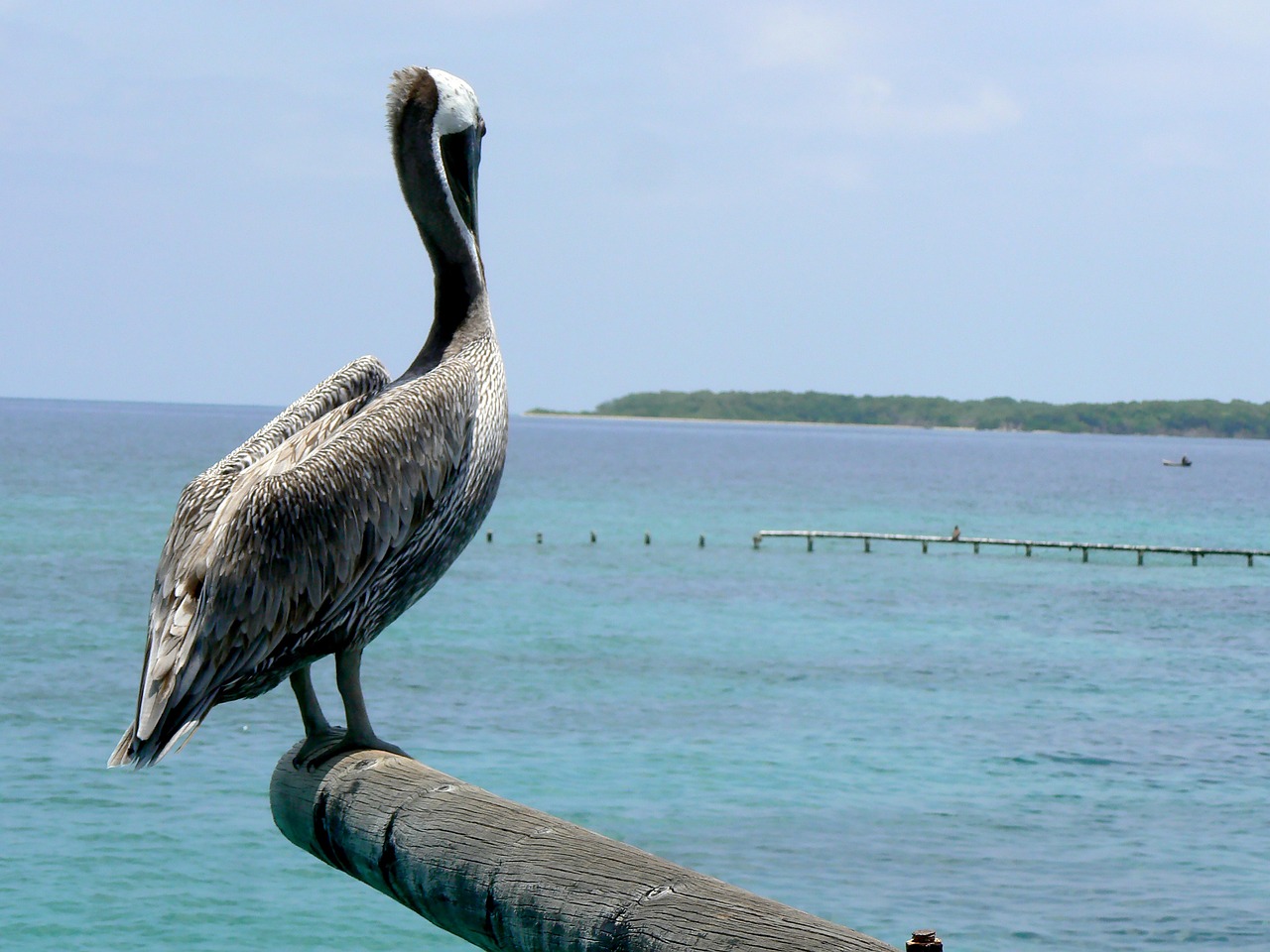
There are no streets or cars. On Isla Grande you’ll walk sandy trails between the mangroves, hotels, Orika and Laguna Encantada; in Bocachica, the village’s unpaved lanes lead to the fort and turn muddy after rain. Bring water shoes or sturdy sandals.
How do I plan a history route through the islands?
- Day 1, morning (8:00-12:00): shared boat to Bocachica, Fuerte de San Fernando and the Museo de Oficios; to see San José and San Rafael, agree a fixed price for a boat.
- Day 1, afternoon: fried-fish lunch in Bocachica and head back before 4:00 p.m., when the sea usually gets choppy.
- Day 2: Rosario Islands tour: sail between the forts, snorkel the sunken plane, see the ruined mansion, optional Oceanario stop and an afternoon on Isla Grande.
- Optional: spend a night on Isla Grande to explore Orika slowly and see the plankton.
First time? Start with our complete Rosario Islands guide, with boat prices and which island to choose.
What should I watch out for?
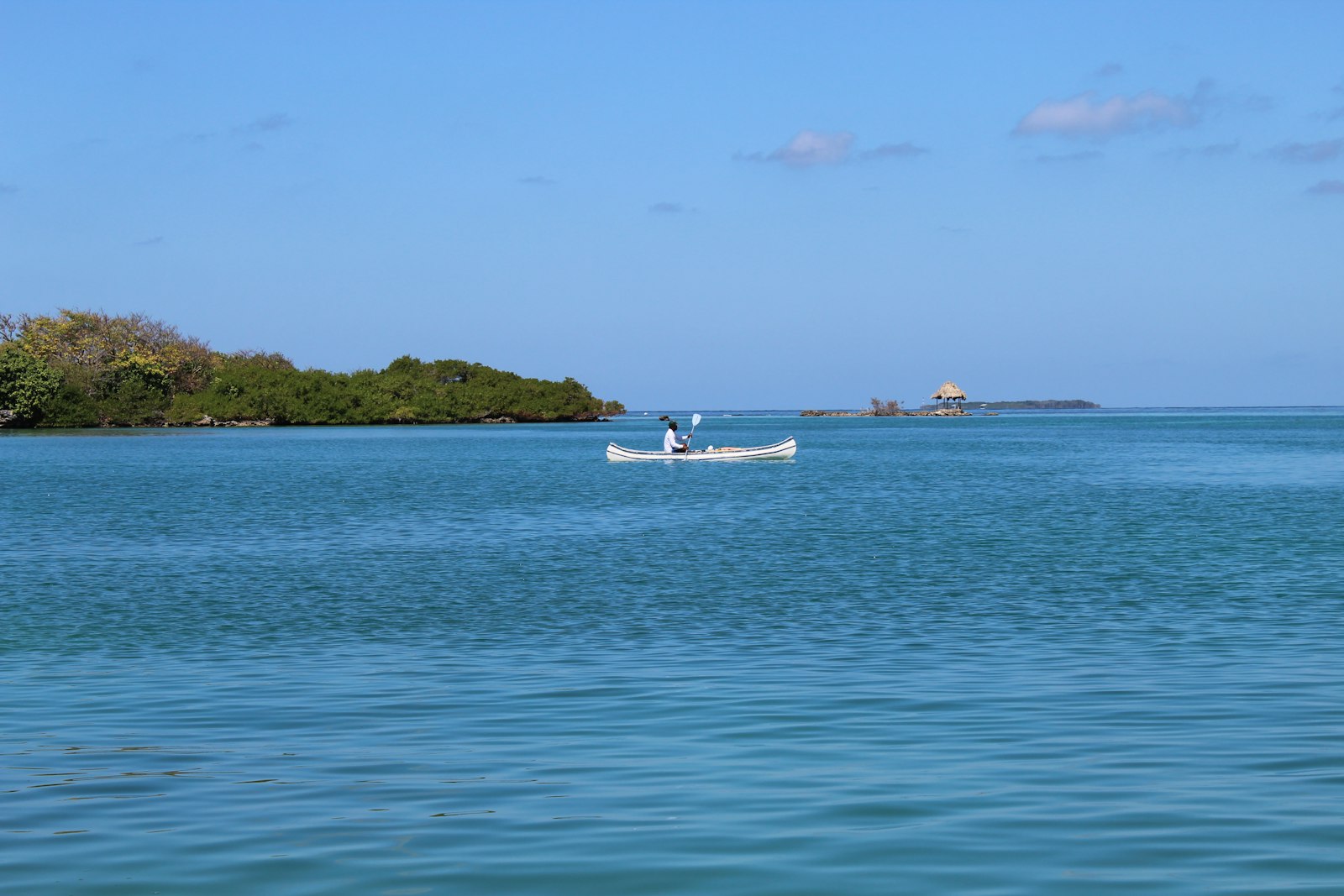
- Authorized dock: per Colombia’s maritime authority (Dimar), La Bodeguita is the authorized departure point for passenger boats to the islands. Book with agencies holding a valid National Tourism Registry (RNT) and insist on a life jacket.
- Self-appointed guides in Bocachica: they can be pushy. If you want one, agree the price before you start.
- Back before dark: keep valuables out of sight, stick to the main path and return to the dock before nightfall.
- Ruins: don’t enter the abandoned building on Isla Grande; it’s private property and unsafe.
- Fees and insurance: carry small bills for the dock tax, park entry and the mandatory insurance.
- Rain: October and November are the rainy season; if the Port Authority suspends departures, don’t look for another boat.
- Coral: don’t touch or stand on the reef or the sunken plane; they’re protected habitat.
Frequently asked questions
Are there monuments in the Rosario Islands?
There are no colonial monuments on the islands themselves, but there are on the way: the 18th-century Bocachica forts. On the islands, the highlights are Orika, the ruined mansion on Isla Grande, Hotel San Pedro de Majagua, the Oceanario and the sunken plane.
How much does the Bocachica fort cost?
Entry is free, daily from 8:00 a.m. to 5:00 p.m. You only pay the boat from La Bodeguita (about COP 10,000 per leg plus a COP 5,000 tax, based on 2025 fares).
Is Pablo Escobar’s mansion in the Rosario Islands?
There’s a ruined building on Isla Grande that tours attribute to Escobar, but there’s no proof it was his. Colombian press reports attribute it to Antonio Turbay as an unfinished hotel.
Can you see the San José galleon?
No. It lies about 600 meters deep off Barú, at a secret, protected location. The objects recovered in 2025 are still being conserved and there’s no museum displaying them yet.
Where is the sunken plane in the Rosario Islands?
Next to Isla Naval, between Isla Grande and Isleta, in shallow water. You can see it while snorkeling and many tours include it; it was most likely sunk as an artificial reef for a 1994 study.
How much is the Rosario Islands Oceanario?
About COP 40,000 for adults and COP 30,000 for children aged 2 to 10 in 2026, not including the boat.
Sources
- Fortificaciones de Cartagena: plan your visit to Bocachica (Spanish)
- Fortificaciones de Cartagena: San Fernando de Bocachica
- Fortificaciones de Cartagena: San José battery
- Fortificaciones de Cartagena: Ángel San Rafael battery
- El Universal: Fuerte de San Fernando (Apr 16, 2025)
- Wikipedia: Spanish galleon San José
- El Tiempo: new San José galleon findings (Dec 24, 2025)
- El Universal: Oceanario Islas del Rosario (Apr 4, 2026)
- Las2orillas: the Oceanario as a conservation center (Jul 31, 2024)
- Cartagena Explorer: the alleged Escobar mansion
- Cartagena Explorer: the sunken plane
- El Espectador: the Orika Community Council
- Ladatco: Hotel San Pedro de Majagua fact sheet
- Laidback Trip: visiting Fort San Fernando de Bocachica
- Dimar: La Bodeguita, authorized dock for the islands
- Portafolio: official exchange rate, Oct 19, 2026 (COP 3,174.67 per US$), used for conversions


