


Last updated: October 8, 2026
You can see all of Getsemaní’s landmarks on foot, for free, in about three hours: the Church of the Santísima Trinidad (1642) and its plaza, where the November 11, 1811 uprising was born; the Camellón de los Mártires; the Muelle de los Pegasos; the San Lorenzo Bastion; and streets like Calle de la Media Luna, whose names tell the story of the old quarter.
Quick facts
- Location: Getsemaní, southeast of the walled city, between Parque del Centenario, the Bahía de las Ánimas and the Caño de San Lázaro.
- Getting there: walk from the Clock Tower across the Camellón de los Mártires (3–5 minutes). By taxi, the 2026 minimum fare is COP 12,250 (≈ USD 3.80), plus a night surcharge.
- Best time: 7–9 a.m. for photos and cooler air; from 4:30 p.m. to see Plaza de la Trinidad come alive.
- Approximate budget: the open-air monuments and the church are free; a free walking tour runs on tips, usually COP 30,000–50,000 (≈ USD 9–16) per person.
- Time needed: 2–3 hours for the full route.
Reference rate: USD 1 ≈ COP 3,210 (official TRM, October 6, 2026).
Why does Getsemaní have so many landmarks?
Getsemaní began as Cartagena’s arrabal, the working-class suburb outside the walls where artisans, fishermen, carpenters and Afro-descendant residents, both free and enslaved, made their homes. The Franciscans settled here around 1555, and between 1631 and 1633 Governor Francisco de Murga enclosed it with its own walls, linked to the main city by a bridge where the Camellón de los Mártires runs today. Its only land gate, the Media Luna, was the overland entrance to the entire city.
That rebellious, blue-collar past shapes its monuments: there are no viceroys’ palaces here, but a parish church, small plazas, a pier and streets named after neighbors, legends and trades. For the big picture (restaurants, nightlife, safety), start with our complete Getsemaní guide; this article focuses on what to see and the stories behind each place.
Which monuments and historic buildings should I see in Getsemaní?
Church of the Santísima Trinidad
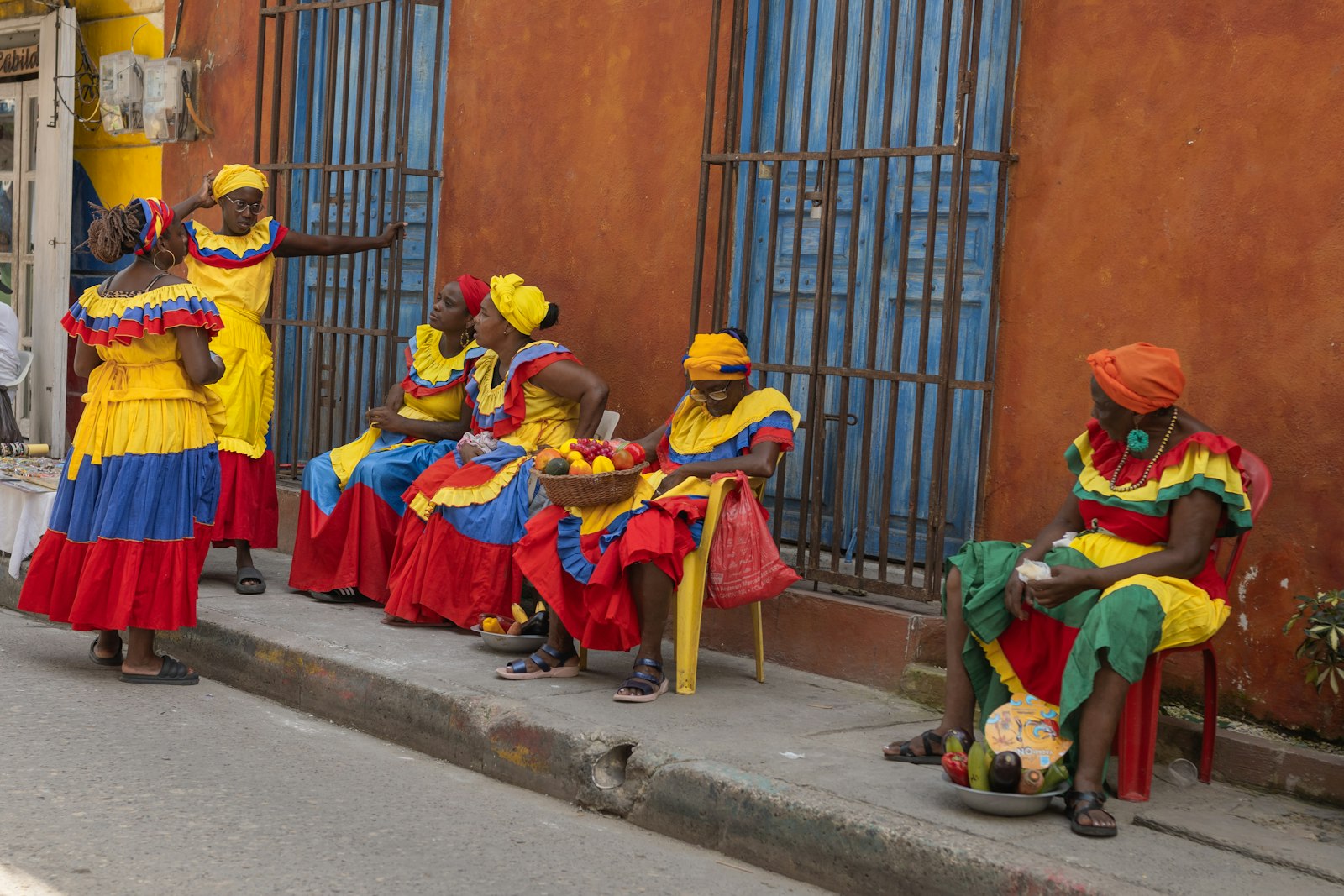
The heart of the neighborhood and one of Cartagena’s oldest churches. It was built to serve the people of the arrabal under a royal authorization of 1642, with construction continuing over the following decades. Expect a plain yellow façade, a single bell tower and thick masonry walls; inside, a narrow nave, wooden pews and a simple altar, with none of the gilded altarpieces of the Old Town churches. Its façade was restored in 2024.
- Typical hours: Monday to Thursday, 8:30 a.m.–noon and 2–5 p.m.; shorter hours on Friday; on weekends it usually opens only for mass. Usual Sunday masses: 9 a.m. and 7 p.m. Check with the parish, as times change on holidays.
- Price: free entry.
- Tip: it’s an active parish, so cover shoulders and knees and keep your voice down.
Plaza de la Trinidad and the Cry of Independence monument
The plaza in front of the church was the rallying point of the Getsemaní Lancers. Led by the blacksmith Pedro Romero, a master of the Maestranza workshop at the Arsenal, they pressed the ruling Junta on November 11, 1811, until Cartagena declared absolute independence from Spain, a date the city still celebrates every November during the Independence Festivities. At its center stand three sculptures by artist Nora Luz Quintana depicting that Cry of Independence: Pedro Romero as a Black lancer with a raised fist, the Franciscan Father Umaña, and a drummer calling the people to freedom.
A curious fact: no authentic portrait of Romero exists. An earlier bust by Héctor Lombana was torn down, so his figure today is an artist’s interpretation. At night the plaza fills with neighbors, travelers, food stalls and musicians: grab a spot on the church steps and watch.
Plazuela del Pozo
This small square on Calle del Pozo, a few blocks from the Trinidad, is another 1811 landmark: lancers from the neighborhood set out from here toward the city center to demand full independence. Today it’s a quiet corner with trees and benches, perfect for a shady break between murals.
The San Francisco complex, now the Four Seasons
Facing Parque del Centenario is the neighborhood’s oldest ensemble: the 16th-century Franciscan convent, the former Church of the Veracruz and the Club Cartagena, a 1920s Beaux-Arts building designed by French architect Gaston Lelarge. In the 20th century, theaters such as the Cartagena and the Calamarí were built over the old cloister, and during restoration archaeologists uncovered colonial cemeteries and a 17th-century fresco.
After more than 15 years of work, the complex opened in April 2026 as the Four Seasons Hotel and Residences Cartagena (Media Luna 8B #8B-44). The former Veracruz now houses Pizzeria Della Chiesa and a ballroom under its dome, while the Club Cartagena is home to Bar Lelarge. Its restaurants and bars welcome visitors; guest areas are private. See photos of the place.
Camellón de los Mártires
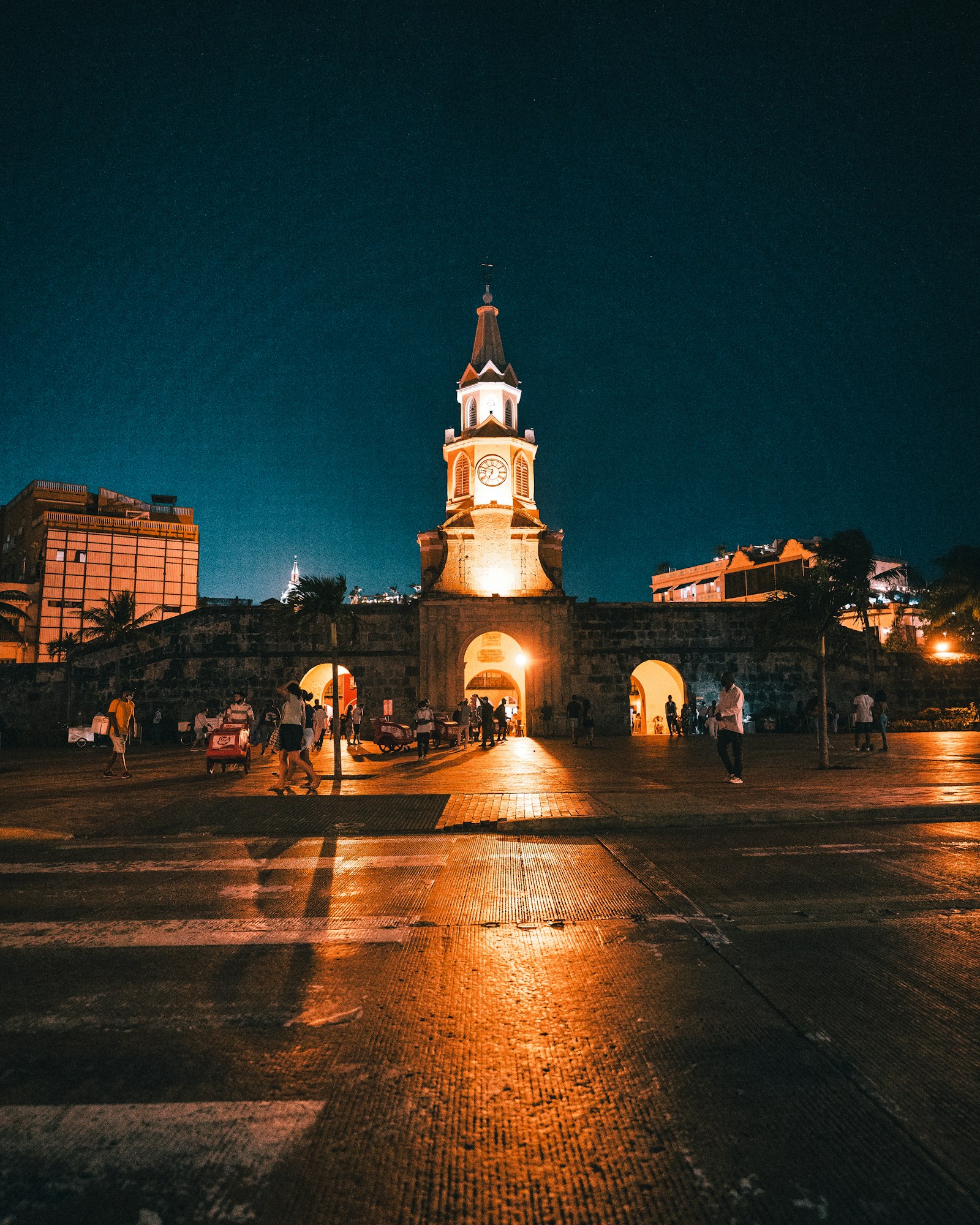
The promenade linking the Clock Tower with Getsemaní honors the nine patriots executed by firing squad on February 24, 1816, after Pablo Morillo’s Spanish reconquest: Manuel del Castillo y Rada, José María García de Toledo, Antonio José de Ayos, Miguel Díaz Granados, Pantaleón Germán Ribón, José María Portocarrero, Martín Amador, Manuel de Anguiano and Santiago Stuart. The central median holds a bust of each, an obelisk and a monument to all who died for independence. In 2024 the city restored the pedestals, benches, fountains and lighting. Free, open 24 hours.
Muelle de los Pegasos
Next to the Camellón, on the Bahía de las Ánimas, this 1791 pier became the main landing for coastal boats from the early 1900s, beside Getsemaní’s old public market. The original winged horses, attributed to Miguel Caballero Leclerc, deteriorated and disappeared; the three current pegasi are by sculptor Héctor Lombana, who donated them in 1992. The city restored them again in July 2024. It’s the best spot to photograph the bay at sunset.
San Lorenzo Bastion (El Reducto)
This is the only stretch of Getsemaní’s walls still standing at the water’s edge, as originally designed; the rest, including the Media Luna gate and the whole southern front along Calle del Arsenal, was demolished in the early 20th century. You’ll find it on Calle del Arsenal, with no visitor center and little signage. It’s a national heritage site, and for years its use has been tied to a bar-restaurant and a legal dispute, so admire it from outside and ask on site whether you can go in.
Parque del Centenario and the Convention Center
Parque del Centenario opened in 1911 to mark 100 years of independence; it has an obelisk and trees that are home to sloths, monkeys and iguanas (don’t touch or feed them). Across the way, the Cartagena de Indias Convention Center, opened in 1982 and designed by the firm Esguerra, Sáenz y Samper, stands on the site of the old public market, which moved to Bazurto in 1978, a change that cut the neighborhood off from the bay and that many locals still remember.
What are Getsemaní’s iconic streets and where do their names come from?
Calle de la Media Luna
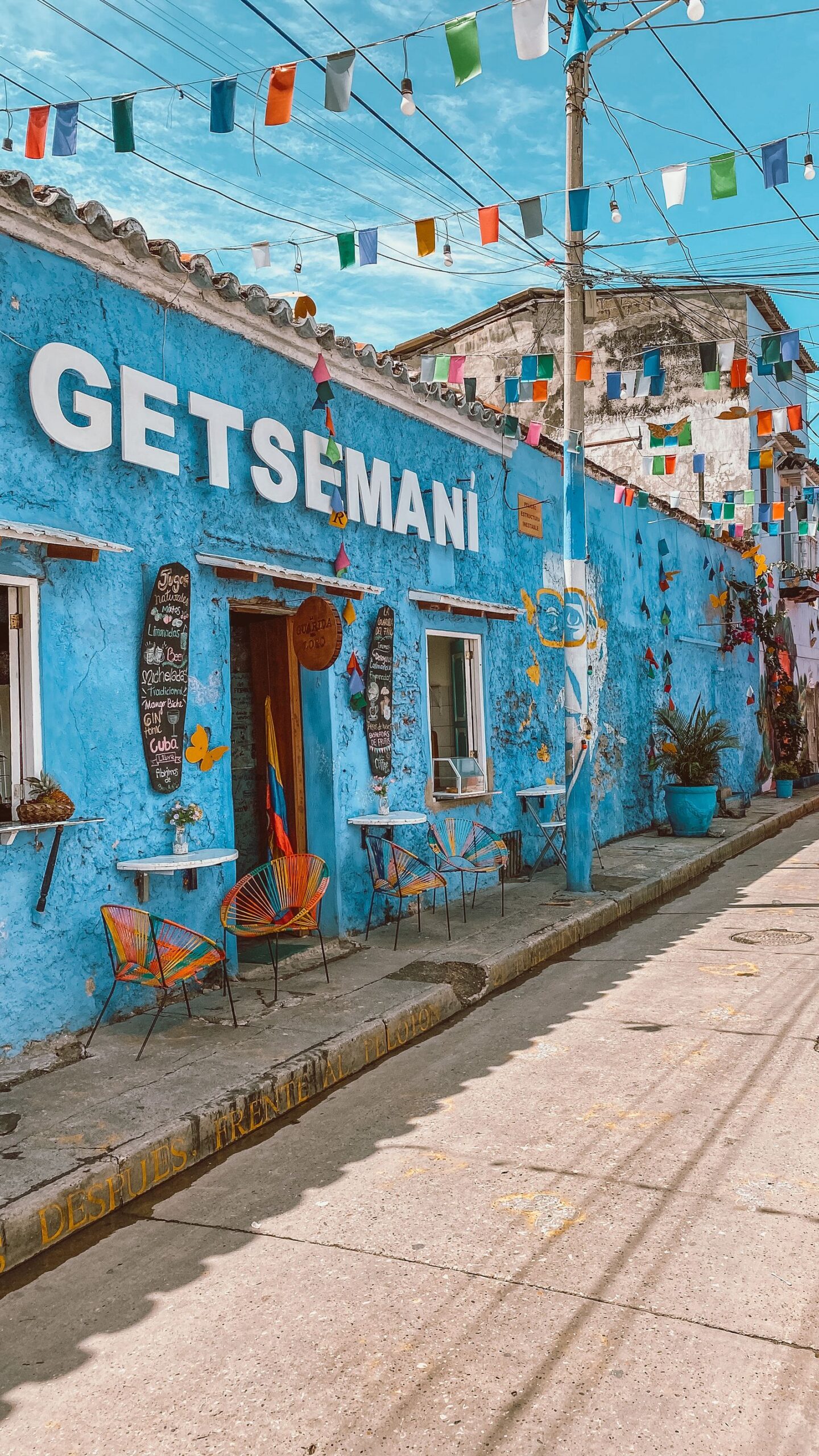
The neighborhood’s main artery is named after a half-moon-shaped artillery work that, together with moats and bridges, protected the Media Luna Gate (1631–1633), colonial Cartagena’s only land exit. The ravelin was demolished in 1884 and the bastion from 1893 onward to widen the road. On May 8, 2026, the city reopened the renovated street: 293 meters of terracotta-toned paving and yellow sidewalks, a COP 4.6 billion project.
Calle de la Sierpe and Callejón Angosto
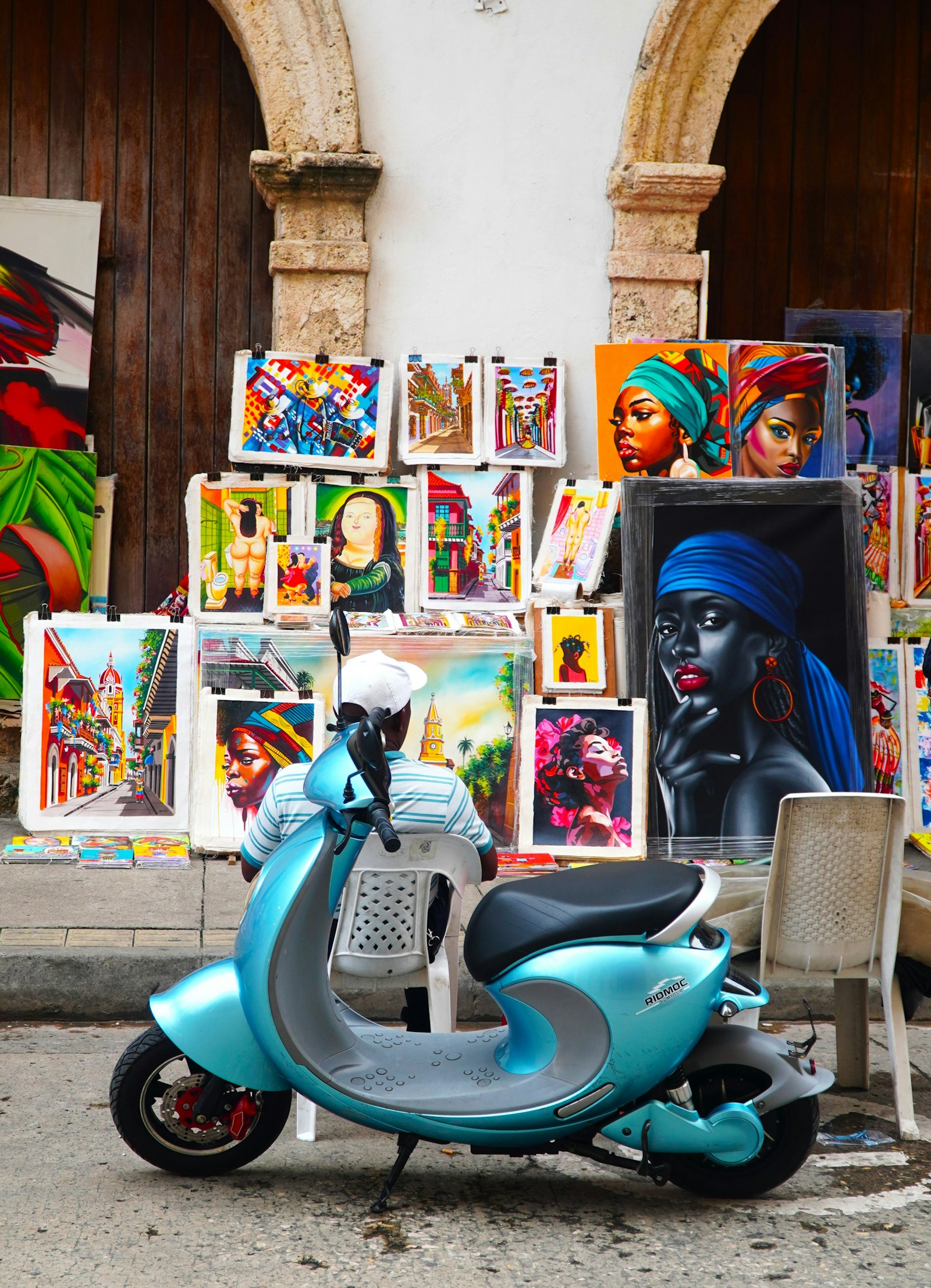
Sierpe means “serpent” in old Spanish; the most accepted explanation is the street’s curving layout, though locals tell legends of snakes, witches and governors. Callejón Angosto (“narrow alley”), like its neighbor the Ancho (“wide”), is simply named for its width: a tight passage covered in murals on both sides. Together with Calle San Juan, one of the few streets that keeps its colonial name, they form the most photographed street art circuit.
Calle del Guerrero, Calle de las Maravillas and Tripita y Media
- Calle del Guerrero: it doesn’t honor a mythical warrior (guerrero); local chroniclers say it’s really “de Guerrero”, after a resident’s surname, possibly Pedro Guerrero y Paz. Café Havana sits on its corner with Media Luna.
- Calle de las Maravillas: Donaldo Bossa’s Nomenclátor cartagenero says a shrub made the block so striking that passersby would exclaim “¡qué maravilla!” (“how marvelous!”).
- Tripita y Media: officially Calle Canabal, after Eusebio María Canabal, a signatory of the independence act. Legend tells of a fisherman’s daughter who fried fish tripe (“la Tripita”) and showed off a pair of colorful stockings (medias); Bossa instead credits the nickname to a resident of the old Calle Troncoso.
Calle Larga, Calle del Arsenal and Calle de la Aguada
Calle Larga is one of the oldest, already shown on a 1597 map. Calle del Arsenal recalls the colonial naval facilities and the Spanish Navy’s Apostadero station; today it’s the bayfront bar strip. And Calle de la Aguada takes its name from a colonial cistern that collected rainwater to supply ships anchored in the Bahía de las Ánimas.
Want to compare with the other side of the wall? Read our walk through the streets of Cartagena’s walled city.
How much does each place cost and when is it open?
| Place | What it is | Era | Hours | Price |
|---|---|---|---|---|
| Church of the Santísima Trinidad | Colonial parish church | 17th century (royal authorization 1642) | Mon–Thu approx. 8:30 a.m.–noon and 2–5 p.m.; Sunday mass 9 a.m. and 7 p.m. | Free |
| Plaza de la Trinidad | Plaza and Cry of Independence sculptures | Site of the 1811 uprising | Always open | Free |
| Camellón de los Mártires | Promenade with 9 busts | Honors those executed in 1816 | Always open | Free |
| Muelle de los Pegasos | Pier with sculptures | Pier 1791; pegasi 1992 | Always open | Free |
| San Lorenzo Bastion (El Reducto) | Colonial bastion | 17th century | Exterior view | Free from outside |
| San Francisco complex (Four Seasons) | Restored convent, church and club | 16th century–1920s | Bar and restaurant hours | Pay for what you order |
| Parque del Centenario | Park with urban wildlife | 1911 | Until 10 p.m. | Free |
What walking route covers it all?
- Clock Tower and the Camellón de los Mártires (8 a.m.).
- Muelle de los Pegasos, for bay views.
- Parque del Centenario, looking for sloths in the trees.
- The façade of the San Francisco complex, with a coffee at Café Rialto if you like.
- Calle de la Media Luna to Calle del Guerrero.
- Church and Plaza de la Trinidad.
- Calle San Juan, Callejón Angosto and Calle de la Sierpe for the murals.
- Plazuela del Pozo, then back via Calle Larga to the San Lorenzo Bastion on Calle del Arsenal.
Prefer a guide? Several free walking tours leave daily from Plaza de la Trinidad or the Clock Tower and last 90 minutes to 2 hours.
What should I keep in mind when visiting Getsemaní’s landmarks?
- Heat: at midday it easily tops 30 °C (86 °F) and the plazas have little shade. Bring water, a hat and sunscreen.
- Rain: October is usually the rainiest month; a compact umbrella will save your afternoon.
- Jewelry and phones: in 2026 local media reported gold-chain snatchings from tourists in the neighborhood. Keep jewelry out of sight and don’t leave your phone on the table.
- Informal guides: if someone offers to “explain” the plaza, agree on a price first; free tours run on voluntary tips.
- Respect: people live here, and Getsemaní’s “neighborhood life” has been national intangible heritage since July 2026. Ask before photographing residents.
- Taxis: there are no meters, so agree on the fare before getting in. Emergencies: 123. For more tips, read our guide to safety in Cartagena’s Old Town.
Where can I eat, and are there beaches nearby?
After the walk you’ll find everything from fritters on Plaza de la Trinidad to chef-driven cooking. See our guides to cheap eats in Getsemaní and the 10 best restaurants in Getsemaní. Getsemaní has no beach: it faces the Bahía de las Ánimas, which isn’t suitable for swimming. The nearest are Marbella and El Cabrero (about 5 minutes by taxi) and Bocagrande (about 10 minutes).
Getsemaní landmarks FAQ
What landmarks should I see in Getsemaní?
The essentials are the Church of the Santísima Trinidad and its plaza with the Cry of Independence sculptures, the Camellón de los Mártires, the Muelle de los Pegasos, the San Lorenzo Bastion (El Reducto) and the former San Francisco complex, now part of the Four Seasons hotel.
How much does it cost to see Getsemaní’s landmarks?
Almost everything is free: the plazas, streets, the Camellón and the Muelle de los Pegasos are open-air, and the Trinidad church charges no entry. You only pay for a guided tour or for food and drinks inside the restored buildings.
Why is it called Calle de la Media Luna?
It is named after the half-moon-shaped artillery work that guarded colonial Cartagena’s only land exit. The ravelin was demolished in 1884 and the bastion from 1893 on, but the name stayed with the street.
Who was Pedro Romero?
A blacksmith and master of the Arsenal’s Maestranza workshop who led the Getsemaní Lancers on November 11, 1811, the day Cartagena declared absolute independence from Spain.
What is the Camellón de los Mártires?
It is the promenade between the Clock Tower and Getsemaní lined with busts of the nine patriots executed by firing squad on February 24, 1816, during the Spanish reconquest of Cartagena.
Can I visit the Four Seasons if I’m not a guest?
Its restaurants and bars, such as Café Rialto, Pizzeria Della Chiesa and Bar Lelarge, welcome visitors, but guest areas are private. Check or book before you go.
What is the best time to explore Getsemaní?
Between 7 and 9 a.m. for photos without heat or crowds, or from 4:30 p.m., when Plaza de la Trinidad fills with neighbors. October is the rainy season, so carry an umbrella.
Sources
- Cartagena Fortifications: Getsemaní and its bastions
- El Getsemanicense: the Media Luna bastion and street stories
- El Universal: Calle de la Media Luna reopens (05/08/2026)
- FICCI: Plaza de la Trinidad and Nora Luz Quintana’s sculptures
- El Universal: Pedro Romero, the faceless hero
- Nomado Travel: Church of the Santísima Trinidad
- Cartagena Explorer: the nine martyrs
- El Universal: Camellón de los Mártires restoration (2024)
- El Universal: Muelle de los Pegasos restoration (2024) and stories behind the pier
- El Universal: El Reducto bastion
- La República: the new Four Seasons Cartagena (04/2026) and Four Seasons Press Room
- El Universal: archaeological finds at San Francisco
- Cartagena de Indias Convention Center
- El Universal: the origin of Tripita y Media
- Portafolio: TRM, October 6, 2026
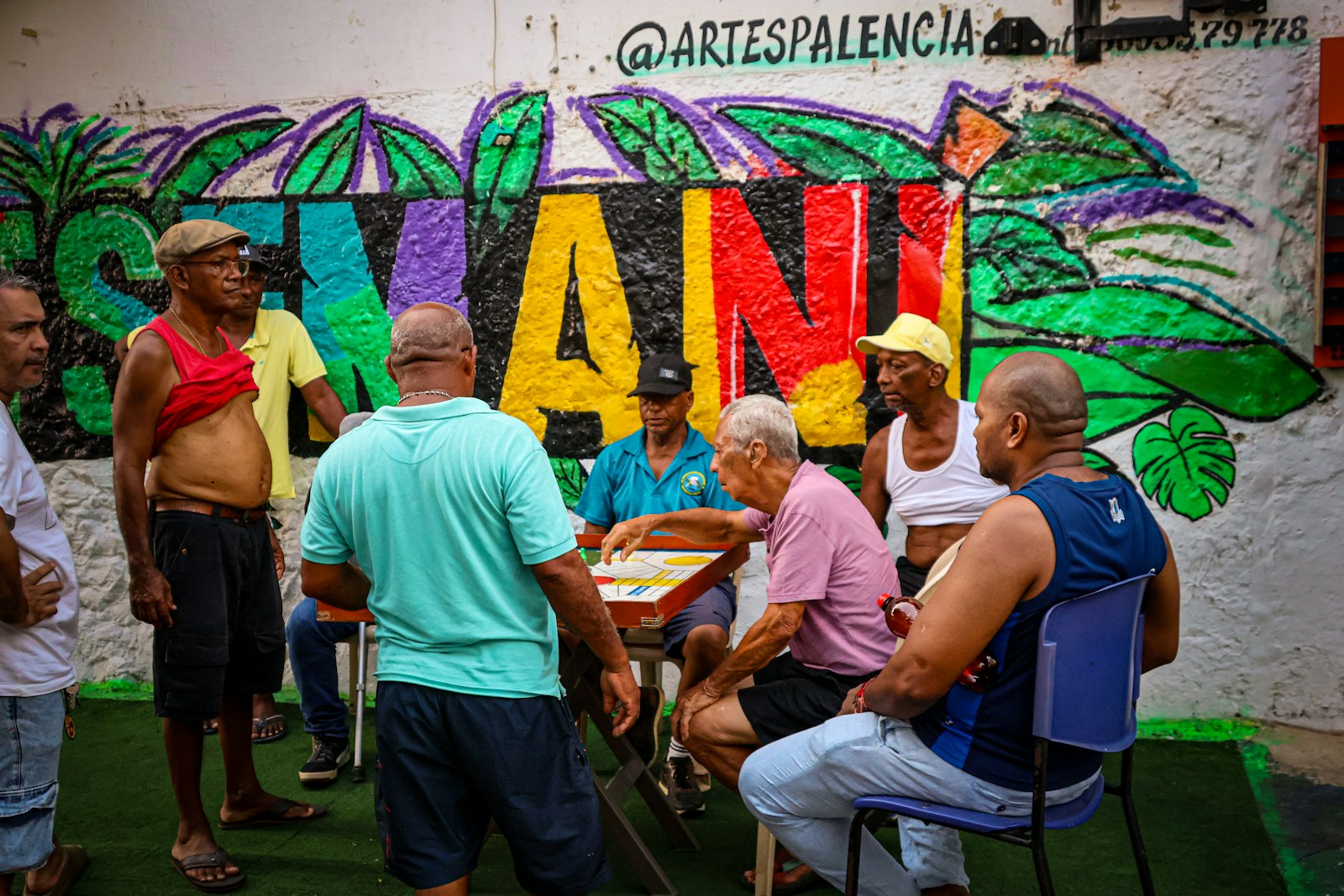
Main image: a street in Getsemaní. Photo: Jaime Bishara / Unsplash (Unsplash License).


