


Last updated: October 27, 2026
Manga is a residential island in Cartagena, right across from Getsemaní and linked to the city by four bridges. It’s home to early 20th-century Republican-era mansions, the Pastelillo Fort with its bayside restaurant, the cruise terminal and a waterfront promenade. It’s a great, quieter base just one bridge from the Old Town.
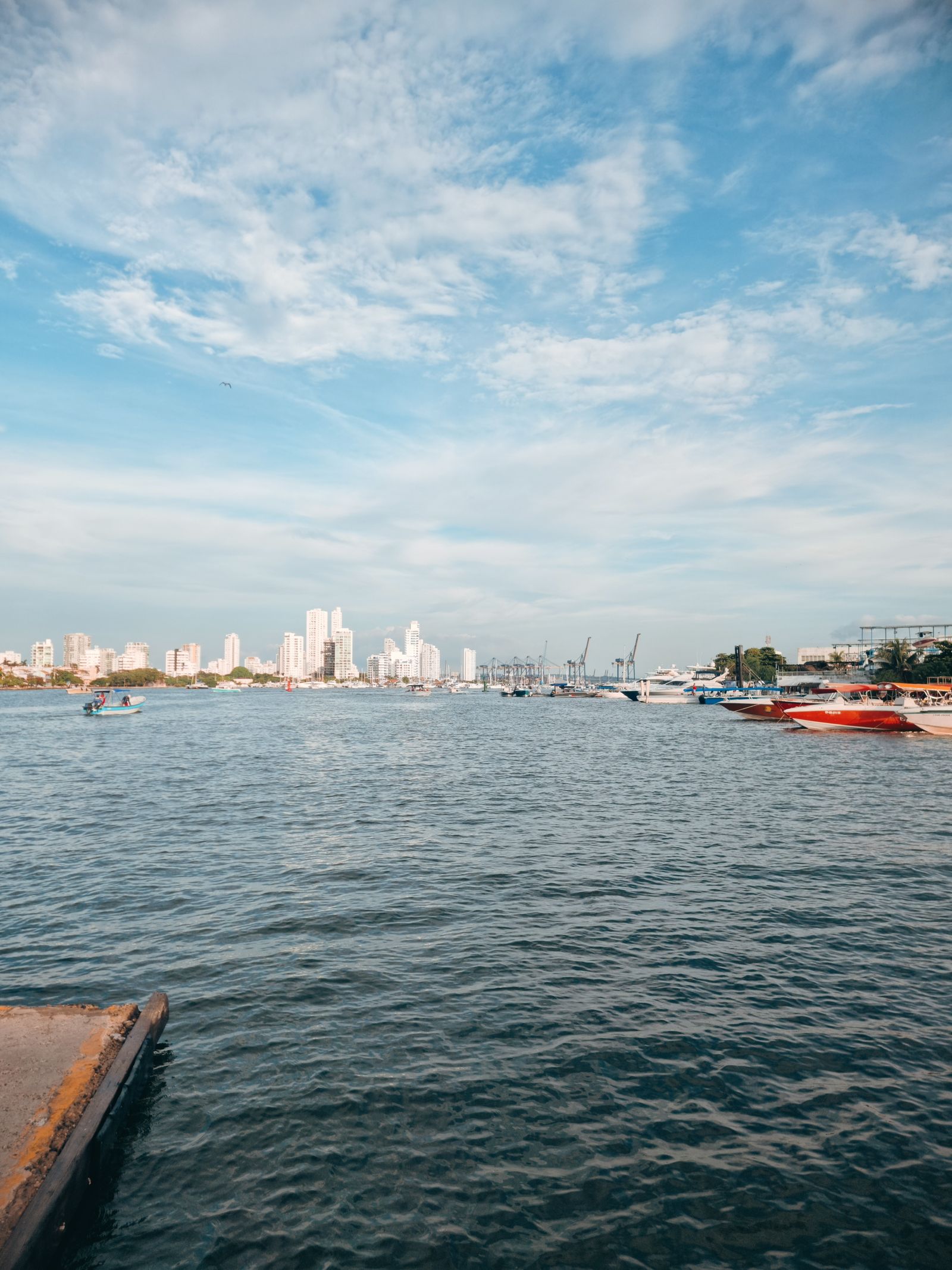
Quick facts
- Location: an island southeast of the Old Town, facing Getsemaní and north of Pie de la Popa.
- Getting there: walk from Getsemaní over the Román Bridge, or take a taxi (2026 minimum fare: COP 12,250 ≈ USD 3.80, plus a COP 1,100 night surcharge from 7 p.m. to 5 a.m.). Transcaribe’s C001 bus route runs through Manga.
- Best time: early morning to stroll past the old houses; sunset for the Avenida Miramar promenade and dinner at the Pastelillo Fort.
- Budget: walking around is free; a dish at a neighborhood restaurant starts around COP 20,000 (≈ USD 6), and dinner at the Club de Pesca can run USD 21-74 per person according to Tripadvisor.
- Time needed: half a day to explore, plus an evening if you plan to dine by the marina.
Approximate rate: COP 3,200 per USD (October 2026).
What is Manga in Cartagena best known for?
Manga isn’t a postcard neighborhood like the Old Town, and that’s exactly its charm: this is the Cartagena where locals actually live. Highlights:
- San Sebastián del Pastelillo Fort, built in 1741-1744 and now a club and restaurant overlooking the marina.
- Republican-era and Neo-Mudéjar mansions such as Casa Román and Casa Covo, with Moorish-style arches and lace-like façades.
- The Román Bridge, the historic crossing to Getsemaní, lit with vintage-style lamps since 2025.
- Manga Cemetery, the city’s first, with marble mausoleums and a former president’s tomb.
- The Avenida Miramar promenade, with piers and lookouts over the bay.
What is the history of Manga?
In colonial times Manga was a nearly empty but strategic island: its northern tip guarded the inner-bay approach to the city, which is why the Pastelillo Fort was built there. Its first major civic work was the cemetery, built almost 200 years ago, according to the local newspaper El Universal.
In the early 1900s, Dionisio Jiménez, whom the local press calls “the developer of Manga”, turned the island into a residential retreat for wealthy families escaping the heat and crowding of the walled city. That’s how the villas with gardens, patios and fruit trees came about. In 1919, Spanish builder Alfredo Badenes completed Casa Covo and Casa Román, two gems of the era.
From the 1980s on, apartment towers replaced many old houses (poet Pedro Blas wryly nicknamed it “Manghatan”). Today modern high-rises, around ten houses listed as national heritage and the busy port all share the island. The next chapter is the Manga Creative District, whose construction began on September 15, 2026.
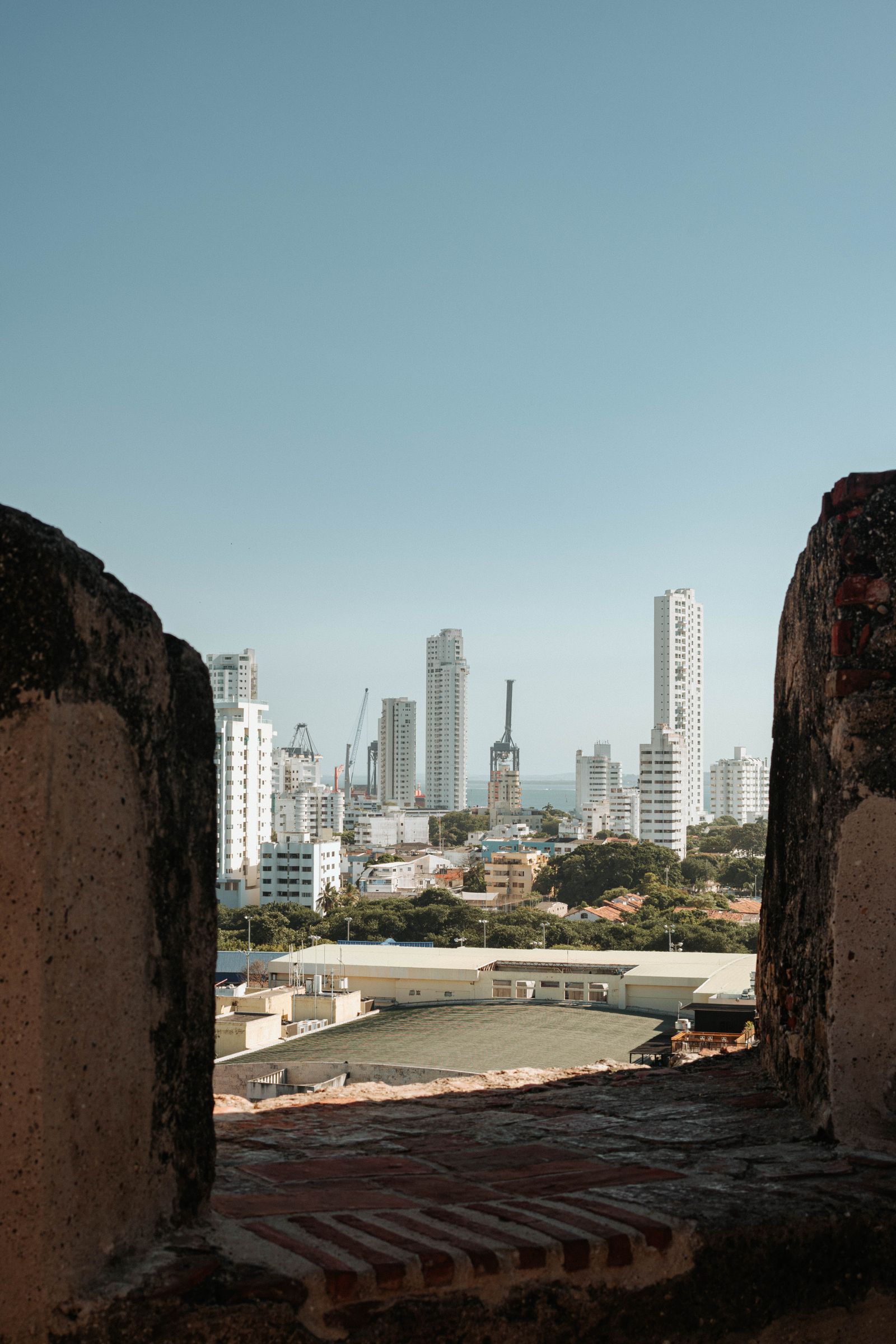
Which buildings and places should I visit in Manga?
San Sebastián del Pastelillo Fort
Viceroy Sebastián de Eslava ordered it built between 1741 and 1744, with engineer Juan Bautista Mac-Evan and help from Carlos Desnaux, to stop pirates and smugglers. “San Sebastián” honors the viceroy; “Pastelillo” (little pastry) refers to its cake-like shape. In 1943 President Eduardo Santos handed it over to the Club de Pesca (Fishing Club), and architect Juan Manuel Zapatero restored it in 1972. Today it houses the club’s marina and restaurant: come as a diner and you’ll see its walls and gun platforms from the open-air tables.
Román Bridge (Puente Román)
It links Manga (Calle 25) with Getsemaní. It began in 1906 as a wooden bridge and was redesigned in 1928 by French architect Gastón Lelarge. In 2025 the city renewed its lighting with 18 ornamental posts and warm LED light that recalls the early 20th century. Walk across at sunset: it’s the nicest way into the Old Town. On the other side, follow our guide to Getsemaní landmarks and historic streets.
Casa Román, Casa Covo and the Republican-era mansions
Casa Covo, on Tercera Avenida, is a National Monument: 2,700 m² with a white lace-like façade, filigree and Moorish-style arches. Casa Román, by the bridge, is the other great Neo-Mudéjar landmark. Also look for Casa Niza, Casa Pombo, Villa Susana and Casa Mogollón (now the offices of the city housing agency, Corvivienda). Nearly all are homes or offices, so admire them from the sidewalk without going in or photographing the occupants.
Manga Cemetery (Santa Cruz de Manga)
On Cuarta Avenida, across a hectare and a half, lies Cartagena’s first cemetery, now part of Colombia’s National Network of Heritage Cemeteries. It holds around 150 mausoleums of old local families, marble imported from Italy, graves of independence martyrs and the tomb of President Juan José Nieto Gil, whom El Universal describes as Colombia’s only Black president. It’s a working cemetery: go in daylight, dress respectfully and ask at the gate whether visitors are allowed that day, as there are no published visiting hours.
Cruise terminal and Port Oasis Ecopark
Cruise ships dock in Manga. The 2026-2027 season started on September 10 with 173 projected calls. Inside the port there’s a tropical garden with an aviary, the Port Oasis Ecopark, designed for passengers; give it 20-30 minutes if you’re traveling with kids.
What are the best things to do in Manga?
- Walk the Avenida Miramar promenade, with piers and lookouts over the bay and Lacides Segovia Park.
- Do an architecture walk along Avenida Jiménez, Calle Real and Tercera Avenida.
- Have dinner facing the yachts at the Pastelillo Fort.
- Go out on a boat from the neighborhood’s piers, only with licensed operators.
- Visit Bazurto Market, just across the bridge, ideally on a guided tour in the morning.
- Watch the Nautical Festival of the Independence Festivities (November 13-14, 2026) from Manga’s piers. Details in our Cartagena Independence Festivities 2026 guide.

What are Manga’s main streets?
- Avenida Miramar: runs along the bay, with the promenade, marinas and restaurants with a view.
- Avenida Jiménez: the neighborhood’s first avenue, named after its developer; a busy strip of shops and quick eats.
- Calle Real de Manga: the island’s backbone, with old houses tucked between buildings.
- Tercera and Cuarta Avenida: the first has Casa Covo; the second, the cemetery.
- The four bridges: Román (Calle 25), Bazurto (Calle 29), Las Palmas (Carrera 17) and Jiménez (Carrera 22).
Where should I eat in Manga?
Manga has few tourist restaurants, but several are highly rated by travelers. Ratings are from Tripadvisor, checked on October 27, 2026; hours and prices can change, so confirm before you go.
| Restaurant | Cuisine | Price | Address | Why go |
|---|---|---|---|---|
| Fuerte del Pastelillo (Club de Pesca) | Seafood, Caribbean | $$$ (USD 21-74) | Pastelillo Fort, Av. Miramar | Dine inside a 1744 fort facing the marina |
| Sr. Miyagi Sushi Bar Manga | Japanese, sushi | $$-$$$ | Calle 24 #20-2 | 4.8/5 from 530 reviews |
| Reina Arepa | Stuffed arepas | $ | Calle 26 #18B-19 | 4.9/5 from 114 reviews; casual dinner |
| D’Res | Steakhouse, grill | $$$ | Carrera 17 #24-90 | 4.6/5 from 264 reviews; grilled cuts |
| Mabare | Seafood | $$$$ | Av. Miramar #19-50 | Terrace over the marina (mixed reviews: 3.7/5) |
Fuerte del Pastelillo Restaurant (Club de Pesca)
Manga’s classic: open daily from 12 p.m. to 11 p.m., according to its website, with online booking. Order fish or seafood and arrive at sunset to watch the city lights come on. The house suggests a 10% tip, which you can accept or decline. It has 1,306 Tripadvisor reviews and some complaints about slow service, so don’t come in a hurry. See photos of the place.
Sr. Miyagi Sushi Bar Manga
Manga’s top-rated international option among travelers. Open until 10:30 p.m. Monday to Thursday and until 11 p.m. Friday to Sunday, per Tripadvisor. A good pick when you want a break from coastal cooking.
Reina Arepa
Stuffed arepas made to order, for a cheap and satisfying dinner. It opens in the late afternoon (from 4:30 p.m. most days, per Wanderlog); every arepa is cooked fresh, so expect a short wait.

D’Res
A neighborhood grill facing the park, with beef cuts as the star. Open Monday to Saturday from 12 p.m. to 10 p.m. and Sundays until 6 p.m. (hours from online directories; please confirm).
Mabare
A seafood terrace overlooking the Avenida Miramar marina. The view is its strongest card; reviews of the service are uneven, so book ahead and confirm.
Want more options? Getsemaní is a ten-minute walk away: see the 12 best restaurants in Cartagena.
Are there beaches in Manga?
No. Manga sits on the inner bay, surrounded by piers, marinas and boat traffic, with no swimming beaches. The nearest are in Bocagrande and Castillogrande, about 10-15 minutes by taxi. Our complete Bocagrande guide helps you pick a stretch of sand.
Is Manga safe, and what should I watch out for?
- Don’t walk from the cruise pier to the Old Town: the route crosses an industrial area with truck traffic and no safe sidewalks. Take an official taxi and agree on the fare first.
- Taxis have no meters: ask to see the fare chart (drivers must display it) and settle the price before you get in.
- At night, stick to busy areas: residents have reported drug use on the promenade and in Lacides Segovia Park; enjoy them by day or at sunset.
- Cruise days and roadworks: the city traffic agency (DATT) warns of heavier traffic near the terminal, and the Creative District works (15 months from September 2026) may affect traffic near the Club de Pesca.
- Boats: book only with licensed companies that carry life jackets for everyone.
- Heat and rain: October and November are rainy; carry water, sunscreen and a light rain jacket.
- Emergencies: dial 123. More tips in Is Cartagena Safe?
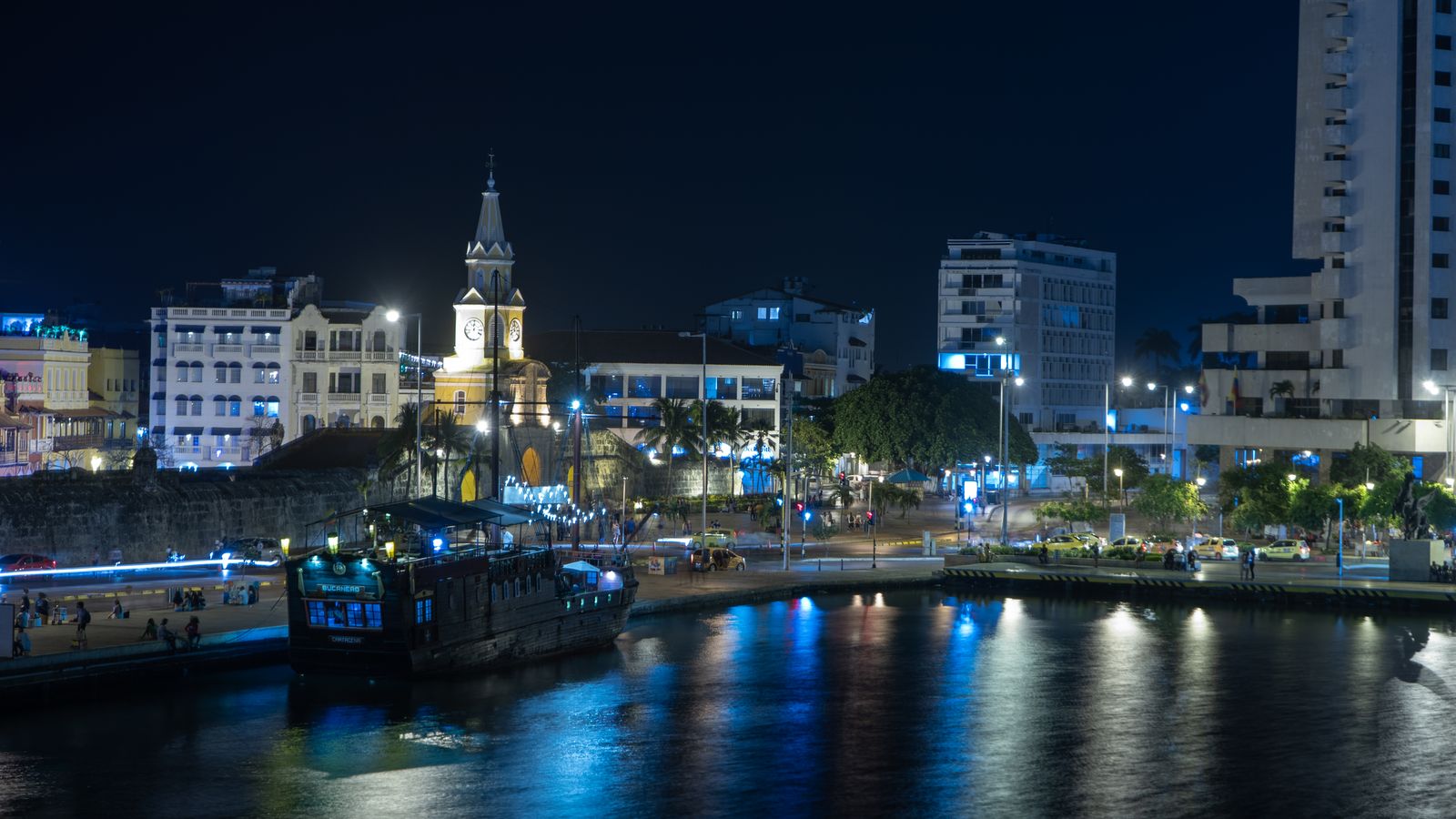
Manga, Cartagena: frequently asked questions
Is Manga a good place to stay in Cartagena?
Yes, if you want a quiet residential area close to the Old Town: Getsemaní is just one bridge away. The trade-off is less nightlife and more taxi rides to the beach.
Can you walk from Manga to the Old Town?
Yes, from the Román Bridge area you reach Getsemaní in a few minutes on foot. What’s not recommended is walking from the cruise pier, which crosses an industrial zone.
Can you visit the Pastelillo Fort?
It’s the home of the Club de Pesca, so the way to see it is as a guest of its restaurant, open daily from 12 p.m. to 11 p.m.
Is there a beach in Manga?
No. Manga is on the inner bay. The closest beaches are Bocagrande and Castillogrande, about 10-15 minutes by taxi.
How much is a taxi from Manga?
Cartagena’s minimum taxi fare is COP 12,250 in 2026, plus a COP 1,100 night surcharge. Taxis have no meters: ask for the fare chart and agree on the price first.
What can I do in Manga on a cruise stop?
Visit the Port Oasis Ecopark aviary inside the port, then take an official taxi to the Old Town (10-15 minutes). If you have time, have lunch at the Pastelillo Fort before heading back to the ship.
Sources
- Wikipedia – San Sebastián del Pastelillo Fort
- El Universal – New lighting for the Román Bridge (Jun 29, 2025, in Spanish)
- El Universal – Manga, isla acorralada (Jun 12, 2016, in Spanish)
- El Universal – Mangatán (Sep 23, 2012, in Spanish)
- El Universal – Manga Cemetery joins the National Network of Cemeteries (in Spanish)
- El Universal – Manga Creative District construction begins (Sep 15, 2026, in Spanish)
- El Universal – Problems on the Manga promenade (Jun 8, 2018, in Spanish)
- El Universal – Cruise ships and traffic in Manga (Feb 9, 2026, in Spanish)
- El Universal – 2026 taxi fares in Cartagena (Feb 27, 2026, in Spanish)
- FICCI – Manga and the Román Bridge
- Primer Tiempo – 2026-2027 cruise season (in Spanish)
- Nomado – Cartagena cruise port guide
- Finca Raíz – Manga, Cartagena (in Spanish)
- Tripadvisor – Restaurants in Manga (checked Oct 27, 2026)
- Fuerte del Pastelillo Restaurant – official site


